

 2 months ago
63
2 months ago
63
PROTECT YOURSELF with Orgo-Life® QUANTUM TECHNOLOGY
Orgo-Life the new way to the future Advertising by AdpathwaySOUTH AFRICA · MARKETS
Key Facts
—The vote: At an electronic general meeting on Monday 17 August, 98.48 percent of votes cast backed the scheme, on a turnout of 78.85 percent of eligible voting rights. Holders of about 63.5 percent of the scheme shares had already given irrevocable undertakings.
—The mechanism: A scheme of arrangement under sections 114 and 115 of the Companies Act, covering all shares other than those the founding investors are rolling over.
—The price: R4.35 a share (about US$0.27), valuing the whole company at about R2.26 billion (roughly US$139 million). The stake actually changing hands is roughly 49.7 percent, worth about R1.1 billion.
—The buyer: The Public Investment Corporation, acting for the Government Employees Pension Fund, which is expected to end up with about 49.3 percent.
—Who is staying: Founder and chief executive Steve Brookes, through Volker Holdings, managing director Rodney Gray, through Rodna Investments, and GRE Africa. They held about 50.14 percent between them and are reinvesting rather than selling.
—Premium and discount at once: R4.35 (about US$0.27) is a 41 percent premium to the 180-trading-day volume-weighted average of R3.09 and 34.5 percent above the 90-day average of R3.23. It is also about 55 percent below the R9.72 (about US$0.60) tangible net asset value reported at 28 February 2026.
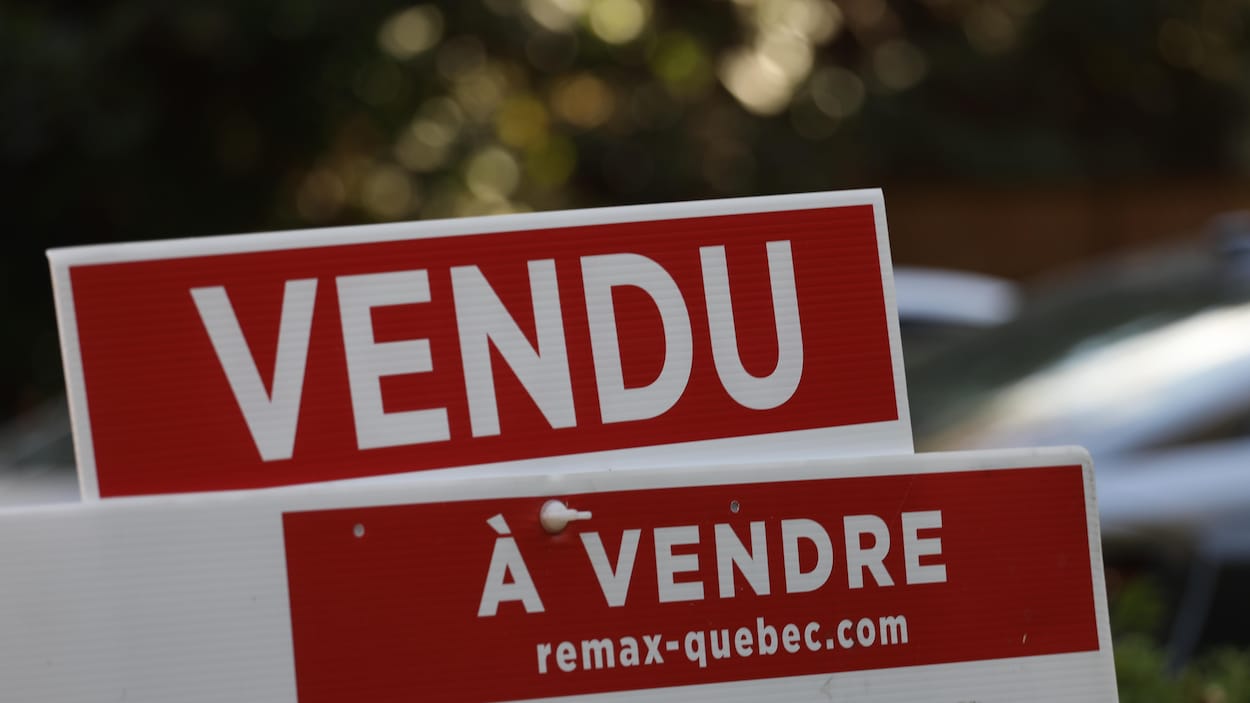
South Africa is losing another listed company. Balwin Properties shareholders voted on 17 August to approve a buyout led by the Public Investment Corporation, making this JSE delisting one more exit from an exchange that has been shrinking for years.

One-stop reference
Company Intelligence
Every listed company in Latin America — financials, ownership and structure for 1,450+ companies across 26 exchanges, in one place.
What the Balwin JSE delisting vote decided
The meeting was held electronically on the morning of 17 August. Ninety-eight percent of the votes cast were in favour, on a turnout of about 79 percent of eligible voting rights.
What was approved is a scheme of arrangement under sections 114 and 115 of South Africa’s Companies Act, which allows a company to be bought out by shareholder vote rather than share by share.
The scheme sweeps up all shares except the excluded ones, which is where the structure gets interesting. The excluded shares are those held by the founders, who are not selling.
Trading is expected to be suspended on 14 October, with delisting from the JSE and the smaller A2X exchange around 20 October.
The price is a premium and a discount at the same time
The offer is R4.35 a share. Against Balwin’s recent trading, that is generous: a 41 percent premium to the 180-trading-day volume-weighted average of R3.09 and 34.5 percent above the 90-day average of R3.23. The independent expert, Valeo Capital, put fair value at R3.62 to R4.29 a share, so the offer sits above its range.
The bidder chose volume-weighted averages rather than the previous day’s close precisely because the shares are thinly traded, which is a candid admission of the underlying problem.
Against the company’s own books, the same price is a steep markdown. Balwin reported tangible net asset value of R9.72 a share at its 28 February 2026 year end, so R4.35 is roughly 55 percent below stated book value.
Both statements are true, and reporting only the first would mislead. Shareholders accepted a large premium to a price that had itself fallen a long way below what the company says its assets are worth.
For context, Balwin placed shares in October 2015 at R9.88, opened at R11.00 on debut and traded down to about R1.80 in May 2024. The exit price is less than half the flotation price, almost eleven years on.
A founder buyout wearing a pension fund’s coat
This is not a conventional private-equity takeover, and describing it as one would miss the point. Chief executive and founder Steve Brookes holds about 33.07 percent through Volker Holdings, managing director Rodney Gray about 9.49 percent through Rodna Investments, and GRE Africa about 7.58 percent.
Together that is roughly 50.14 percent, and none of it is being cashed out. Those shares are being rolled into the acquiring vehicle alongside the state pension money.
So what is actually happening is that the founders are staying, the public shareholders are leaving, and the Government Employees Pension Fund is stepping into their place with about 49.3 percent.
That is a recapitalisation of a listed company into private hands with state pension capital, not an outside buyer imposing new management. Whether that is reassuring or uncomfortable depends on where you sit.
The company being taken private is not a failing one
It would be easy to read this as a rescue, and the numbers do not support that reading. Balwin reported revenue of R2.7 billion for the year to 28 February 2026, up 21 percent.
Statutory profit after tax rose 9 percent to R254.5 million, while recurring headline earnings per share rose 41 percent. Apartment sales value reached R2.4 billion, up 22 percent, on 2,053 apartments recognised in revenue.
The balance sheet improved too. Loan-to-value fell to 38.1 percent and the company swung from a R211.5 million operating cash outflow the previous year to a R198.7 million inflow.
No dividend was declared, with the board citing debt reduction and macroeconomic uncertainty. That is the profile of a business the market simply refused to pay for.
South Africa‘s rate environment explains part of the reluctance. The Reserve Bank held the repo rate at 7.00 percent on 23 July, with prime at 10.50 percent, after inflation ticked up to 5.0 percent in June.
The awkward part is who is buying
The Public Investment Corporation manages about R3.6 trillion (roughly US$222 billion) on behalf of South African public servants, which makes it the largest single pool of capital on the continent.
It is also, at this moment, an institution under scrutiny. The Financial Sector Conduct Authority opened an investigation into the PIC in July, two directors resigned on 15 July, and by 22 July six non-executive board members had left within a single week.
That turbulence came months after the deal was struck: the implementation agreement was signed in early March and the firm intention announced on 20 May. Cabinet appointed a new PIC board on 30 July, chaired by Seiso Mohai, nineteen days before the vote. It does not make the deal improper, and nothing in the public record suggests it is.
It does mean that a reader assessing whether a PIC-led buyout signals institutional confidence should hold both facts at once. The buyer is enormous, and it spent July replacing almost its entire board.
The broader pattern is what should interest anyone allocating to South African equities. Research commissioned by the asset-management industry and briefed in March found that schemes of arrangement account for close to half of all JSE delistings since 2007, and the exchange now lists a fraction of the companies it once did.
Frequently Asked Questions
What did Balwin shareholders vote on?
They approved a scheme of arrangement under sections 114 and 115 of the Companies Act at an electronic general meeting on 17 August 2026. Ninety-eight percent of votes cast were in favour on a turnout of about 79 percent.
How much is the Balwin buyout worth?
The offer is R4.35 a share (about US$0.27), valuing the whole company at about R2.26 billion (roughly US$139 million). The stake actually being acquired is roughly 49.7 percent, worth about R1.1 billion (roughly US$69 million).
Is R4.35 a good price for shareholders?
It is a 41 percent premium to the 180-trading-day volume-weighted average of R3.09 and about 55 percent below the R9.72 tangible net asset value the company reported at 28 February 2026. Both figures are accurate. The independent expert put fair value at R3.62 to R4.29 a share.
When will Balwin leave the JSE?
Trading is expected to be suspended on 14 October 2026, with delisting from the JSE and A2X around 20 October.
This article was produced by The Rio Times’ automated newsroom system. How we use AI · Report an error
LatAm Markets: Live Signals → — real-time movers, turnover leaders and FX across Latin America.
The Rio Times · Power Map
See who really holds power in Latin America
Click to open the Power Map →













 English (US) ·
  French (CA) ·
  French (FR) ·