

 1 month ago
74
1 month ago
74
PROTECT YOURSELF with Orgo-Life® QUANTUM TECHNOLOGY
Orgo-Life the new way to the future Advertising by AdpathwayEnvironment · Amazon
Key Facts
—IUCN Status The Amazon river dolphin (Inia geoffrensis) is classified as Endangered on the IUCN Red List of Threatened Species.
—Study Projection Population viability models in the journal Oryx predict a 95% loss of the species within 50 years under current mortality rates.
—Primary Threats The leading causes of decline are drowning in gillnets and targeted hunting to use dolphin flesh as bait for piracatinga catfish.
—Range States The species inhabits freshwater systems across six countries: Brazil, Peru, Colombia, Bolivia, Ecuador, and Venezuela.
—Regional Plan Ecuador is a signatory to the IWC’s South American River Dolphin Conservation Management Plan, adopted in 2021.
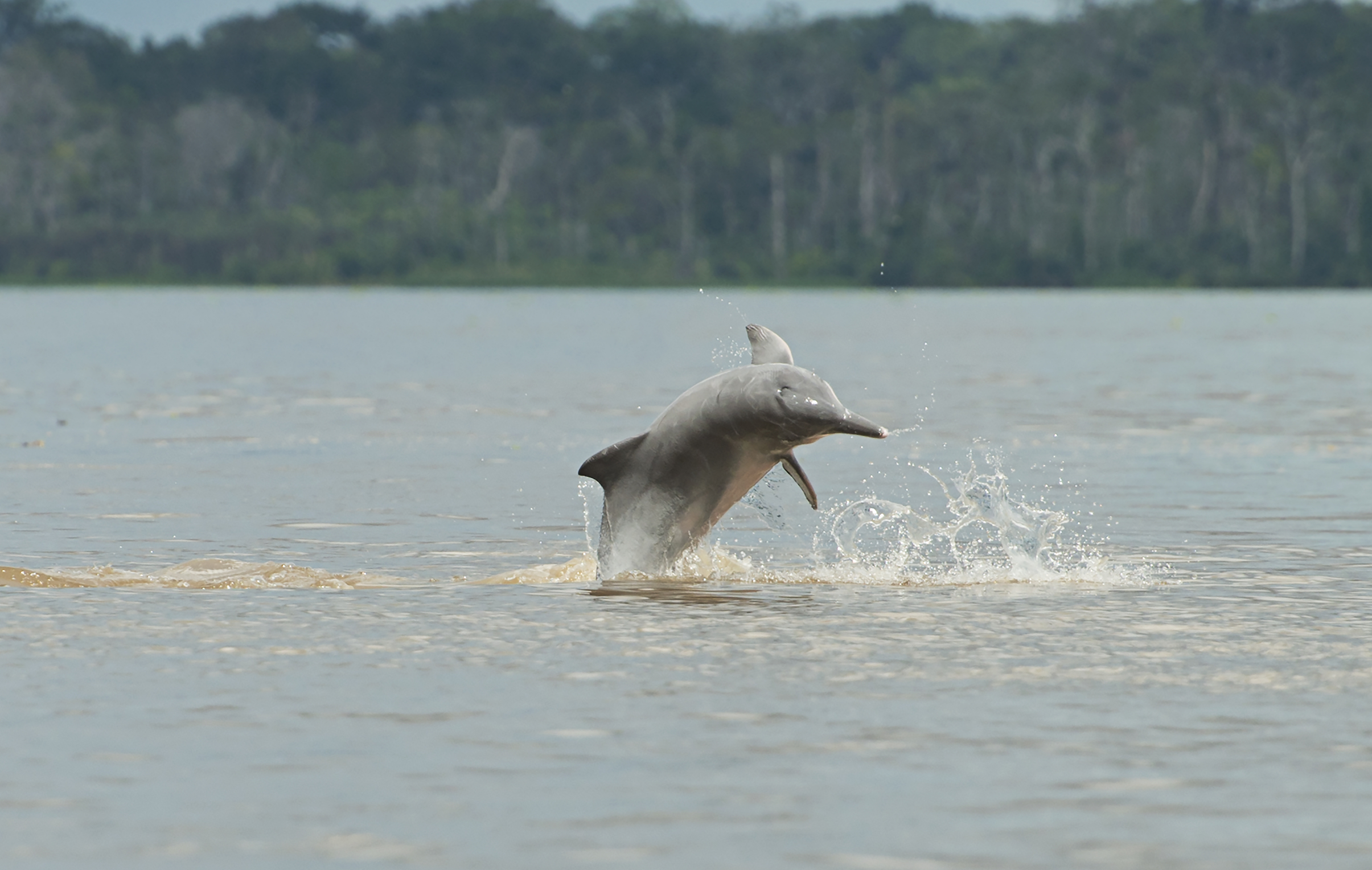
Amazon river dolphins are hurtling toward a catastrophic population collapse, according to a new peer-reviewed study that tracked the species over 22 years in the Brazilian Amazon. The research, published in the Cambridge journal Oryx, projects a staggering 95% loss of the iconic pink cetaceans within 50 years if current threats remain unchecked.
One-stop reference
Company Intelligence
Every listed company in Latin America — financials, ownership and structure for 1,450+ companies across 26 exchanges, in one place.
Why Amazon river dolphins Are Vanishing
Researchers conducted standardized monthly counts along a fixed transect in Brazil’s Mamirauá Sustainable Development Reserve, a protected floodplain long considered a stronghold for the species.
The data revealed a sustained and profound decline over more than two decades.
Scientists then fed the figures into a population viability analysis to model the future of the boto under various scenarios.
The result was grim: every single model pointed toward local extinction.
At the current rate of decline, the analysis forecasts a 95% reduction in the population within half a century.
While the field data originates from a specific Brazilian reserve, scientists warn the trajectory signals a species-wide emergency across the entire Amazon basin.
Gillnets and the Bait Trade
The study identifies drowning in gillnets as one of the two most probable drivers of the decline.
Fishermen deploy these nearly invisible mesh nets to catch fish, but air-breathing dolphins become entangled and suffocate underwater.
A more macabre threat is the deliberate hunting of botos for use as bait.
Poachers kill the dolphins and chop up their flesh to lure the piracatinga, a scavenger catfish sold commercially in Brazil and Colombia.
This practice directly converts a protected mammal into a commodity for the fishing industry.
Enforcement is exceptionally difficult in the remote, labyrinthine waterways of the Amazon.
Mercury, Dams, and a Toxic River System
Beyond direct killing, Amazon river dolphins face a slow poisoning from mercury contamination.
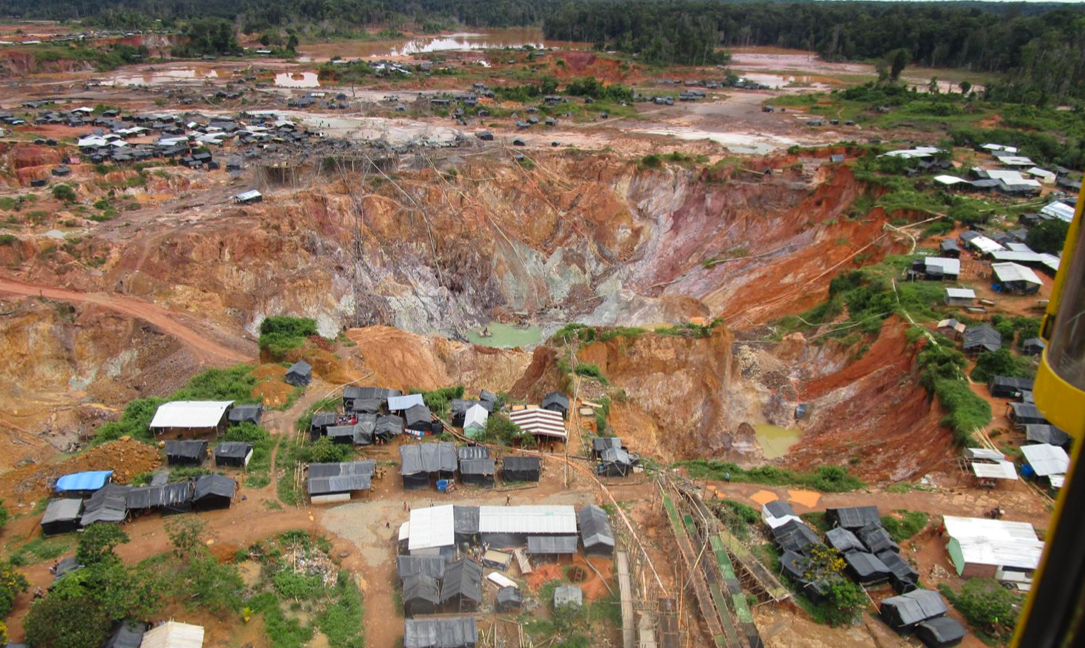
The toxic heavy metal enters the food chain primarily through illegal and unregulated gold mining operations.
Miners use mercury to separate gold from sediment, and the runoff flows directly into the river ecosystem.
As top predators, dolphins accumulate high concentrations of mercury in their tissues, causing neurological and reproductive damage.
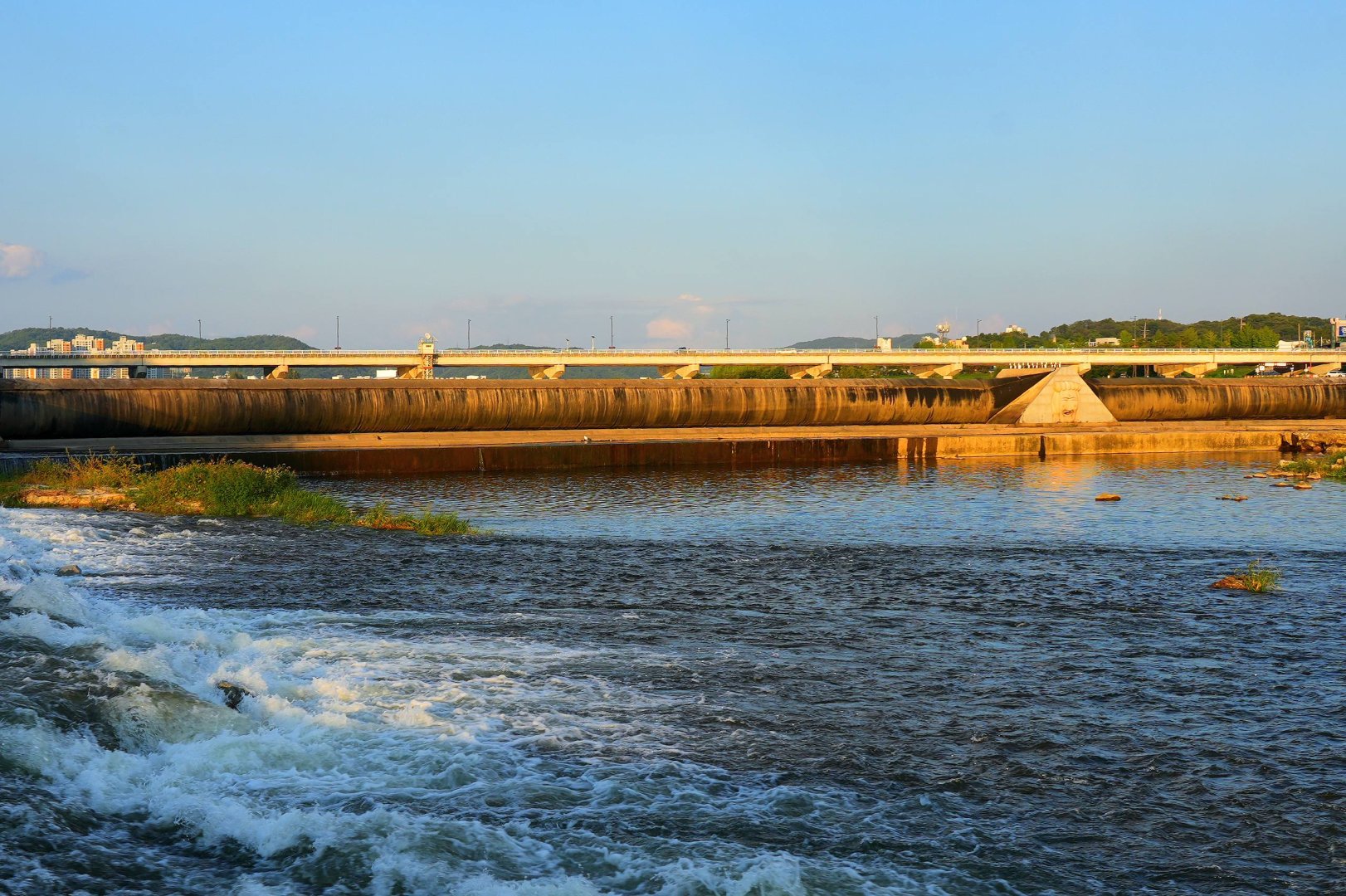
The construction of hydroelectric dams adds another layer of pressure by fragmenting habitats.
Dams block migratory routes and isolate dolphin populations, preventing genetic exchange and limiting access to prey during seasonal floods.
Ecuador’s Role as a Range State and Signatory
Ecuador forms a critical part of the species’ range, with populations inhabiting the Napo River basin and other Amazonian tributaries in the country’s eastern lowlands.
The country is not a bystander to the crisis; it is one of the four governments that co-developed the South American River Dolphin Conservation Management Plan.
Adopted by the International Whaling Commission in 2021, this plan was the first regional conservation framework ever established for a freshwater cetacean.
Colombia, Brazil, and Peru joined Ecuador in drafting the strategy, which aims to standardize monitoring and mitigate threats across national borders.
The plan specifically targets the elimination of the dolphin-for-bait trade and the reduction of bycatch through safer fishing gear.
For international conservationists, Ecuador’s commitment is vital because the boto does not recognize political boundaries; a collapse in Brazil directly threatens the genetic health of Ecuadorian populations.
The Path to Avoiding Zero
The Oryx study serves as a time-bound ultimatum rather than a definitive obituary.
Scientists stress that the 95% loss is a projection based on the status quo, not an unavoidable fate.
Immediate interventions could still alter the trajectory if range states enforce bans on dolphin bait and transition fisheries to alternative gear.
Conservation groups are pushing for stricter monitoring of mercury levels in fish and a crackdown on illegal mining operations across the basin.
The regional IWC plan provides the legal scaffolding, but it requires funding and political will to move from paper to enforcement on the water.
Without rapid, coordinated action across all six range states, the pink river dolphin risks vanishing from the vast freshwater wilderness it has inhabited for millions of years.
Frequently Asked Questions
Why are Amazon river dolphins being hunted?
They are primarily hunted to be used as bait. Fishermen kill the dolphins and use their meat to attract the piracatinga, a type of scavenger catfish that is sold commercially.
Is the 95% decline already happening?
No. The 95% figure is a future projection from a population viability model. It predicts the loss that will occur within 50 years if the current rate of decline observed in the Mamirauá Reserve continues without intervention.
What is Ecuador doing to protect the dolphins?
Ecuador is a signatory to the IWC’s South American River Dolphin Conservation Management Plan. As a range state, it collaborates with Brazil, Colombia, and Peru to standardize monitoring and mitigate threats like bycatch and the bait trade in its Amazonian rivers.
















 English (US) ·
  French (CA) ·
  French (FR) ·