

 1 month ago
72
1 month ago
72
PROTECT YOURSELF with Orgo-Life® QUANTUM TECHNOLOGY
Orgo-Life the new way to the future Advertising by AdpathwayBrazil · Business
Key Facts
—Renegotiation total. Banco do Brasil renegotiated R$10.4 billion in overdue debts since the launch of Novo Desenrola in May 2026.
—Program name. The debt relief is provided under the government’s Novo Desenrola Brasil program, also called Desenrola 2.0.
—Eligible borrowers. The program covers individuals, businesses, rural producers, and students with FIES loans.
—Discount and terms. It offers 30–90% discounts, up to 48-month terms, and a maximum interest rate of 1.99% per month.
—Dollar equivalent. R$10.4 billion equals approximately US$1.86 billion at an exchange rate of R$5.60 per US dollar.
Banco do Brasil has renegotiated R$10.4 billion (US$1.86 billion) in overdue debts for individuals, businesses, farmers, and students under the government’s Novo Desenrola Brasil program since its launch in May 2026, offering deep discounts and extended terms.
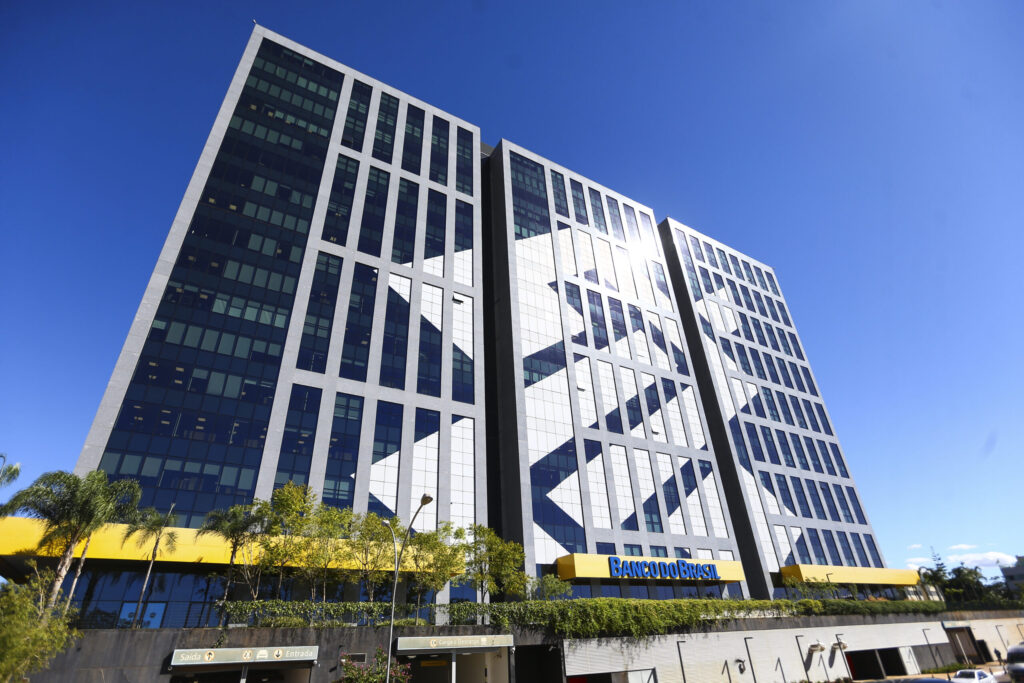
The R$10.4 Billion Renegotiation Package
The state-owned giant Banco do Brasil reported R$10.4 billion in debt renegotiations under the Novo Desenrola (Desenrola 2.0) program. The figure reflects agreements reached since the program’s launch in May 2026, the bank said.
The total covers a broad range of overdue obligations: personal debts, business loans, rural producer financing, and student loans from the FIES program. The bank did not disclose the total number of clients or contracts tied to this specific sum.
How Desenrola 2.0 Works
Novo Desenrola Brasil targets individuals earning up to five minimum wages per month. Eligible debts include credit card balances, overdraft facilities, and personal loans that were in default.
Under the program, banks offer discounts between 30% and 90% on the original debt. Repayment can stretch over 48 months with interest capped at 1.99% per month—well below typical consumer lending rates in Brazil.
A key feature of the new phase is that debtors can use part of their FGTS (employee severance fund) to reduce the amount owed, making it easier to settle large balances.
Live Company IntelligenceBanco do Brasil S.A. — the full investor dossierInside: live share price, market cap, three-year financials, valuation, ESG and peer benchmarks — plus the latest Rio Times coverage.B
◆ Live Company Intelligence
Banco do Brasil
SA: BBAS3BBAS3Financial ServicesBanks – Regional84,619 employees
Valuation & profitability
Market capR$116.18B
Revenue (TTM)R$69.19B
P / E ratio9.2
Profit margin20.4%
Return on equity9.2%
Price & risk
52-wk low
$17.7152-wk high
$27.54
Beta (volatility)0.25
200-day average$22.34
Revenue trend · 6y
20202025
Latest R$365.57B
Ownership
Institutions18.5%
Shares outstanding5.71B
Dividend
Yield2.7%
Payout ratio16.0%
Fwd. annual$0.24
What Banco do Brasil does. Banco do Brasil S.A., together with its subsidiaries, provides banking products and services for individuals, companies, and public sectors in Brazil and internationally. The company operates through Banking, Investments, Fund Management, Insurance (including insurance, private pension funds and capitalization) and Electronic Payments segments. Its Banking segment offers various products and services, including…
Differences From the Original Desenrola
The first Desenrola program, launched in 2023, was a government-led platform focused on two distinct income bands and a specific set of debts, with heavy public-sector involvement in structuring discounts.
Desenrola 2.0 shifts the model toward direct negotiation between borrowers and banks. It expands the types of eligible debt and integrates the FGTS as a repayment tool, aiming for faster, less bureaucratic settlements.
What It Means for Expats and Investors
For expatriates holding Brazilian bank accounts or credit cards, the program may offer a chance to clean up lingering debts on favorable terms, provided they meet the income criteria. Those with FIES student loans could also benefit.
Investors in Brazilian banking stocks will watch for signs of improved asset quality. Large-scale renegotiations can reduce provisioning for bad loans and help normalize credit portfolios, potentially boosting net interest margins over time.
However, the real test will be whether borrowers stay current on the new agreements. A high re-default rate could undercut the immediate benefits and weigh on consumer credit markets.
Background: Brazil’s Household Debt Challenge
Brazil has long struggled with high household indebtedness and steep credit card interest rates that often exceed 300% per year. This creates a cycle where many borrowers cannot escape default.
The original Desenrola program in 2023 helped millions clean their names by negotiating discounts through a federal platform. Desenrola 2.0 was designed to extend that relief to a wider group and involve private banks more directly.
The Banco do Brasil figure suggests strong early uptake, though similar data from other large banks has not been made public. The program is part of a broader government push to rekindle consumer spending and economic growth.
Looking Ahead
With R$10.4 billion already renegotiated at one bank, the total debt repackaged under Desenrola 2.0 could be substantial once all participants report. The government has not set an official end date, leaving room for more deals.
Economists will monitor whether lower debt burdens translate into higher retail sales and improved credit scores. If successful, the model could become a blueprint for future financial inclusion programs in Latin America.
Frequently Asked Questions
What is the Novo Desenrola Brasil program?
It is a government initiative launched in May 2026 that lets borrowers renegotiate overdue debts directly with banks at steep discounts (30–90%), lower interest rates, and longer payment terms. It also allows the use of FGTS funds to pay down debt.
Who qualifies for Desenrola 2.0?
Individuals with a monthly income of up to five minimum wages can participate. Eligible debts include credit card balances, overdraft lines, and personal loans from participating financial institutions.
How much debt has Banco do Brasil renegotiated so far?
The bank has renegotiated R$10.4 billion (about US$1.86 billion) since the program’s launch in May 2026. This total covers individuals, businesses, rural producers, and FIES student loans.
Sources: Banco do Brasil; Brazilian Ministry of Finance.














 English (US) ·
  French (CA) ·
  French (FR) ·