

 3 weeks ago
6
PROTECT YOURSELF with Orgo-Life® QUANTUM TECHNOLOGY
Orgo-Life the new way to the future Advertising by Adpathway
Pro-Lula rally, 2026.
On Sunday 25 October, Brazilians will decide between Luiz Inácio Lula da Silva and Flávio Bolsonaro, in an election with consequences for the entire continent. After coming first in the first round of the presidential election on 4 October, the third son of the far-right former president has seen his lead shrink. On the eve of the vote, the two candidates were neck and neck in the polls.
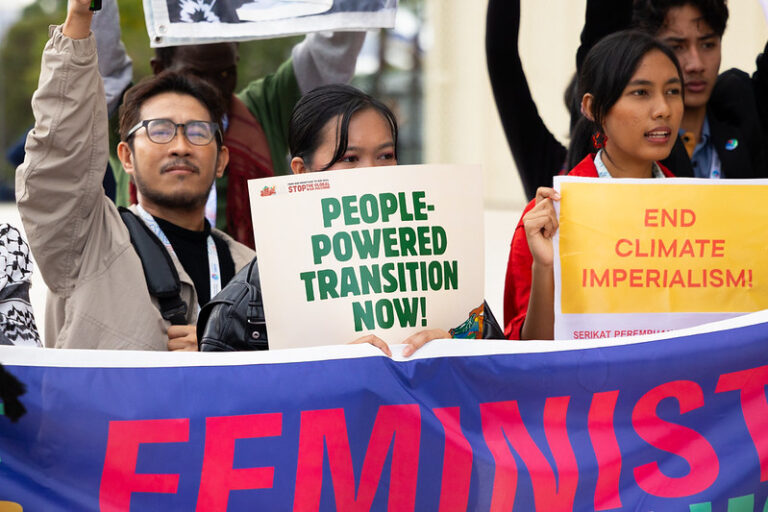
On the streets, Lula’s supporters are mobilising to bring about a comeback for the incumbent president: students, labor unions, grassroots activists and artists are holding a growing number of rallies against Flávio Bolsonaro. In São Paulo, gig-economy delivery workers have even led their own versions of the motorbike caravans popularised by Jair Bolsonaro and taken up by his son as part of his signature campaign style. They support Lula while demanding that his administration provide the social protections for which they are still waiting.
Four years after Jair Bolsonaro’s defeat, ‘Bolsonarism’ still has powerful means to reclaim the presidency. Despite Bolsonaro’s conviction for an attempted coup d’état, the alliances that fuelled his initial rise have not been broken. The agribusiness sector, evangelical churches and sections of the security forces remain key pillars of support — structures that the change in government in 2022 failed to eliminate.
In a country where nearly 60% of the population relies exclusively on social media for news, the Brazilian far right is highly organised. Its opponents accuse US tech platforms — most notably Meta (Facebook, Instagram and WhatsApp) — of using their algorithms to favour Bolsonaro’s camp. Following a petition from Lula’s campaign team, the Supreme Federal Court demanded explanations from the company, as well as from Elon Musk’s X.
In the US, Bolsonarism relies on the support of the Donald Trump administration. During the 18 October debate, Lula denounced Eduardo Bolsonaro’s overtures to the US, which contributed to Washington imposing sanctions on Brazil intended to put pressure on its judicial system. This demonstrates a curious interpretation of ‘sovereignty’, a concept that the Brazilian far-right claims to champion.
The issue of sovereignty also plays out within national borders. In Brazil, 1% of landowners hold nearly half of all agricultural land. The landless movement continues its struggle for agrarian reform — a process that remains incomplete, largely due to resistance from major landowners. The economic weight of these landowners translates into political influence, most notably within Congress. Beneath the rhetoric surrounding national independence lies a fundamental question: who gets to decide how land is used, how resources are exploited and how wealth is distributed? Regardless of who wins on Sunday, those who control these assets will retain significant means to defend their own interests.
There remains one final question about this election: will the US administration recognise the results on Sunday night, should Lula secure a narrow victory?















 English (US) ·
 French (CA) ·
 French (FR) ·