

 46 minutes ago
1
PROTECT YOURSELF with Orgo-Life® QUANTUM TECHNOLOGY
Orgo-Life the new way to the future Advertising by Adpathway
BRAZIL · LABOUR LAW
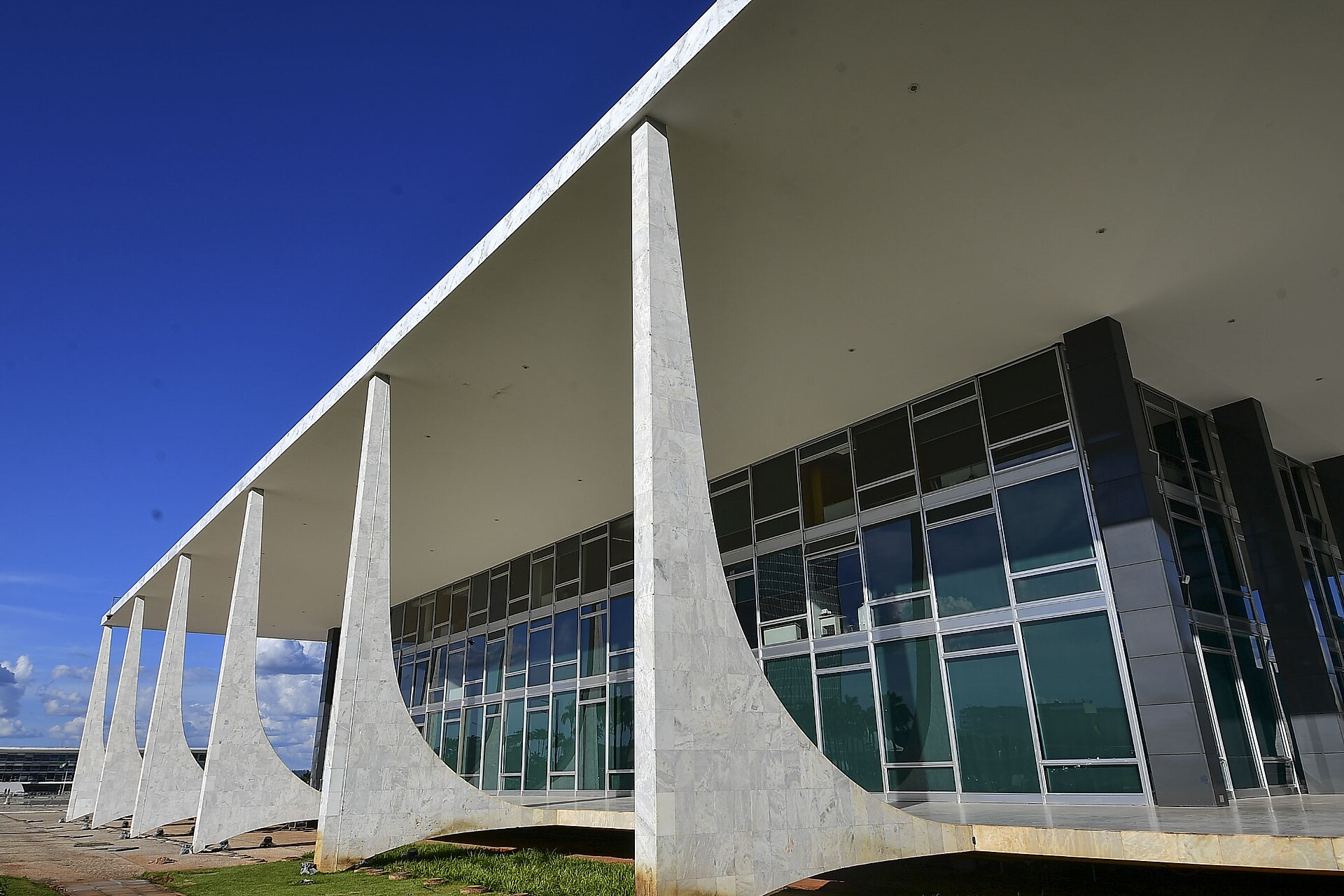
Brazil’s employers now know the day the shorter week begins, and a Supreme Court justice has refused to let it slip. Flávio Dino, a justice of the Supreme Federal Court (STF, Brazil’s top court), ruled on Thursday 12 November 2026 that the first step in ending the “6×1” schedule, six working days then one day off, stays on 16 December 2026.
From that day the maximum work week falls from 44 to 42 hours, with two paid rest days a week. For US companies and investors with Brazilian staff, retailers, factories and services firms must now plan shifts around a fixed date.
Free daily brief — no card needed
Get every Brazil story in one morning email
We build you a personalized brief around the topics you follow — free for 7 days. Love it? Your first month after that is US$1.
Yes, email me my free daily brief — I can unsubscribe any time.
Key Facts
- Ruling Justice Flávio Dino kept 16 December 2026 as the start of Brazil’s shorter work week.
- Numbers The week falls from 44 to 42 hours, then to 40 hours at the end of 2027.
- Limit The ruling is provisional, made by one justice; the full court will review it.
- Next Unions and employers get 90 more days, from 16 December, to revise existing deals.
What Did the Judge Decide?
Dino issued an interim ruling, meaning one justice decided alone and the full court will review it. It concerns the end of the “6×1” pattern, six working days followed by one day off.
He kept 16 December 2026 as the start of the move to “5×2”, five days on and two paid days off. The cut to 40 hours comes at the end of 2027, under Constitutional Amendment 141/2026, which Brazil’s Congress has already passed.
Dino made clear that the 42-hour week and the two paid weekly rest days apply from 16 December 2026. Compensation can change when and under what conditions rest days are taken, but never remove them.
He also lifted the weekly and monthly limits on when rest days must be taken. Collective agreements, which are deals between unions and employers, can now set that, as long as workers keep the full right to two paid weekly rest days.
The timing of rest days can therefore differ from week to week if an agreement allows it. The new schedule may not raise or cut wages.
Why Does the 90-Day Window Matter?
The ruling settles a fight over timing, with the date fixed and the details left to negotiation. Dino gave unions and employers 90 more days, counted from 16 December 2026, to revise the trade-offs, meaning what each side agreed to give, written into existing collective agreements.
Lack of renegotiation does not by itself end those trade-offs or allow unilateral change. Brazil’s labour courts can settle disputes, and a new collective pact can replace the old terms.
If collective talks fail, the government may issue a portaria, an administrative rule from the government, allowing compensation during the first 90 days of the transition. After 90 days, compensation is possible only through collective bargaining.
If no agreement exists by 15 December 2026, the 42 weekly hours may be spread over five days of up to 8 hours 24 minutes until 15 December 2027. The extra 24 minutes carry no overtime.
Who Wanted What?
The ruling answers lawsuits by the CNC, the National Confederation of Commerce of Goods, Services and Tourism, and the CNI, the National Confederation of Industry. The commerce group asked to postpone the 42-hour step by about a year.
The industry group also challenged the timetable in court. On Tuesday 10 November 2026, Dino held a conciliation hearing, a court-led negotiation session, with business groups, unions and the government.
Dino kept the date but gave employers and unions room on how rest days are arranged. The 42-hour limit and the two rest days themselves are not up for negotiation.
Dino also appealed to Brazil’s Congress to regulate special work regimes within 180 days. The 180 days run from the publication of the ruling.
The sectors reported include retail, tourism, farming and maritime operations. Dino asked Congress to give them clear rules.
What It Means for You
US companies and investors with Brazilian operations now have a fixed date, 16 December 2026, for the 42-hour week. Retailers, factories and services firms in Brazil must plan shifts and rest days around it.
Employers without a collective agreement by 15 December 2026 can use the five-day, 8 hours 24 minutes option until 15 December 2027. Those with agreements have 90 days from 16 December to revise the trade-offs in them.
Related coverage: Brazil Shop Workers Get Five-Day Week Deal; Brazil Sends Senate a Budget Savings Bill; Brazil’s Regions and States Explained.
More: Brazil news, every day from The Rio Times.
What Is Not Known
We have not found how many workers the ruling covers. No date for the full court’s review is public.
Whether Congress will regulate the special work regimes within the 180 days Dino asked for is also open. How unions and employers will revise their agreements in the 90-day window is not yet clear.
Frequently Asked Questions
When does Brazil’s 42-hour work week start?
It starts on 16 December 2026, the date Justice Flávio Dino kept in his interim ruling of 12 November 2026. From that day workers get two paid rest days a week.
What happens to existing union and employer deals?
Unions and employers have 90 more days, counted from 16 December 2026, to revise the trade-offs in existing collective agreements. Lack of renegotiation does not by itself end the old trade-offs or allow unilateral change.
What if no agreement exists by 15 December 2026?
Until 15 December 2027 the 42 weekly hours may be spread over five days of up to 8 hours 24 minutes. The extra 24 minutes carry no overtime.
Sources: Supreme Federal Court (STF), interim decision by Justice Flávio Dino, 12 November 2026; STF conciliation hearing on the transition, 10 November 2026.
This article was produced by The Rio Times’ automated AI newsroom. Editorial responsibility: Matthias Camenzind, Publisher and Editor-in-Chief. The Rio Times also runs Ask Rio Times, which answers from 100,000+ of our own articles, the daily Latin America Power Map, and prediction-market odds on elections and markets.. How we use AI · Report an error
Brazil runoff, Sunday, October 25: When is the Brazil runoff election. Latest: Brazil runoff polls, Flávio 51%, Lula 49%.
The Rio Times · Power Map
See who really holds power in Latin America
Click to open the Power Map →











 English (US) ·
 French (CA) ·
 French (FR) ·