

 1 month ago
120
1 month ago
120
PROTECT YOURSELF with Orgo-Life® QUANTUM TECHNOLOGY
Orgo-Life the new way to the future Advertising by AdpathwayBrazil · Business
Key Facts
—Quota threshold. Brazil’s 2026 beef export quota to China is 1.106 million tonnes; above this, a 55% surcharge applies on top of the 12% tariff, totaling 67%.
—JBS vacation. JBS’s Campo Grande unit began a 15-day collective vacation on July 21, affecting over 2,000 workers, to cope with high cattle prices.
—Iguatemi slowdown. Iguatemi Beef reportedly implemented collective vacations in Iguatemi, with unconfirmed reports of around 90 workers affected.
—Quota used. Brazil had already used 80% of its 2026 beef quota to China when Beijing alerted the market on July 21.
—JBS strategy. JBS said the move will cut costs and that it will reroute beef volumes to alternative export markets.
Brazilian meatpackers Iguatemi Beef and JBS have curtailed slaughtering at plants in Mato Grosso do Sul as Brazil’s 2026 beef exports to China near a 1.1-million-tonne quota, triggering the risk of a combined 67% import tariff.
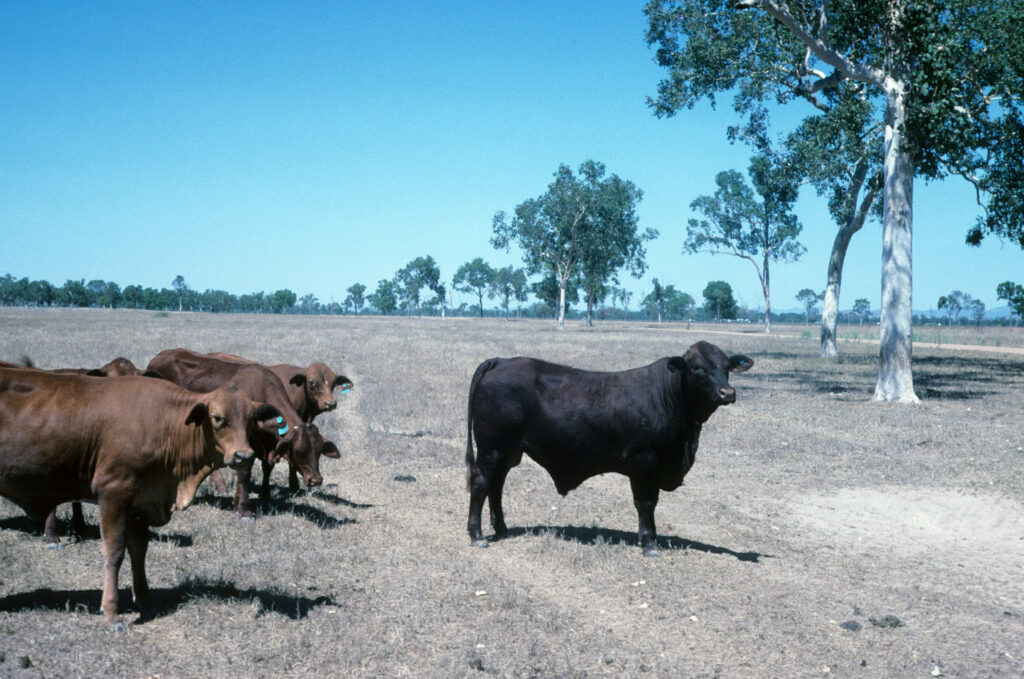
China Quota and the Tariff Wall
Brazil operates under a 2026 beef export quota to China of 1.106 million tonnes. Once this volume is shipped, any additional beef faces an extra 55% surcharge, bringing the total import tax to 67% when added to the standard 12% tariff.
By late July, the Brazilian industry had used roughly 80% of that quota. China reportedly informed the market on July 21 that the threshold was near, raising alarms among exporters.
This quota mechanism is designed to protect Chinese domestic producers, but it can severely disrupt Brazil’s largest beef export channel, forcing processors to pull back to avoid uncompetitive shipments.
JBS Halts Slaughter in Campo Grande
JBS’s large beef plant on the Sidrolândia exit in Campo Grande, which employs more than 2,000 workers, began a 15-day collective vacation starting Tuesday, July 21.
The company told local media that the reduction in slaughter was a cost-management measure during a period of high live cattle prices and weaker demand. JBS said it would reallocate production volumes to other markets to cushion the impact.
The plant’s temporary halt is one of the most visible signs of the quota squeeze, as JBS typically runs multiple shifts and exports heavily to China.
Live Company IntelligenceJBS N.V. — the full investor dossierInside: live share price, market cap, three-year financials, valuation, ESG and peer benchmarks — plus the latest Rio Times coverage.J
◆ Live Company Intelligence
JBS N.V.
NYSE: JBSJBSConsumer DefensivePackaged Foods283,000 employees
$40.39B
Market cap
Analyst target $18.30
Wall Street view
4.0Buy/ 5
1 Buy0 Hold0 Sell
Avg. price target $18.30 · +27% vs 200-day
Valuation & profitability
Market cap$40.39B
Revenue (TTM)$88.27B
P / E ratio7.5
Profit margin2.0%
Return on equity22.1%
Price & risk
52-wk low
$11.4552-wk high
$17.27
200-day average$14.41
Revenue trend · 6y
20202025
Latest $471.14B
Ownership
Institutions22.3%
Shares outstanding776M
Top holderBNDES Participacoes SA -BNDESPAR
Institutional holders5+ funds
Dividend
Yield8.2%
Payout ratio13.0%
Fwd. annual$1.34
What JBS N.V. does. JBS N.V., together with its subsidiaries, engages in the processing of animal proteins, encompassing activities related to beef, pork, lamb, and poultry worldwide. The company is involved in the production and marketing of prepared foods and other related products, as well as operations in leather, collagen, hygiene and beauty products, metal packaging,…
Iguatemi Beef Slows Operations
In the town of Iguatemi, also in Mato Grosso do Sul, Iguatemi Beef implemented collective vacations or a production slowdown, according to local press reports.
The mayor of Iguatemi mentioned that about 90 workers were dismissed, but the company has not confirmed any layoffs. The exact nature and duration of the workforce adjustment remain unclear.
This uncertainty underscores how quickly the quota threat can cascade into local employment decisions, even when the full surcharge has not yet been triggered.
Industry and Union Response
The meatpacking workers’ union Sicadems confirmed to local media that vacation and slowdown measures were being taken in Mato Grosso do Sul.
Union president Régis Comarella explained that if the quota is exceeded, a 55% surcharge would apply on top of the existing 12% tariff, making it impractical for plants to ship beef to China.
Meanwhile, no detailed public statement has emerged from Iguatemi Beef, and JBS’s official line emphasizes cost control rather than the quota directly.
What It Means for Expats and Investors
For investors, the quota crunch highlights the vulnerability of Brazil’s meat sector to Chinese trade policy. JBS shares (listed as JBSS3 on B3 and as a global ADR) could see short-term volatility if the quota is fully exhausted and plants remain idle.
Expats living in Brazil may observe indirect effects: if Brazilian beef producers divert volumes to the domestic market to offset lost Chinese sales, local meat prices could stabilise or even dip slightly, though cattle prices currently remain high.
Longer term, Brazil’s reliance on China as the buyer of roughly 60% of its beef exports is a strategic risk. Ongoing talks about quota expansion or bilateral agreements will be critical for the industry’s stability.
For those in Mato Grosso do Sul, the temporary plant closures may strain local economies that depend on packinghouse wages, even if the moves are short-lived.
Background: Brazil-China Beef Trade
China is Brazil’s largest beef export destination, accounting for over half of all shipments in value terms. The annual quota was introduced to manage import volumes and protect Chinese farmers from a flood of foreign meat.
Brazil’s beef sector has grown rapidly on the back of Chinese demand, with plants across the country upgrading facilities to meet Chinese sanitary standards. When the quota nears exhaustion, it creates a waiting game: shippers must decide whether to risk the surcharge or hold back.
The surcharge makes Brazilian beef significantly more expensive for Chinese buyers, who can switch to other suppliers like Argentina or Australia. This seasonal quota squeeze has become a recurring feature of the trade relationship.
Frequently Asked Questions
Why are Brazilian beef plants shutting down?
They are reducing slaughter to avoid shipping beef to China after the 1.106-million-tonne 2026 quota is exhausted, which would trigger a 67% total import tax, making it commercially unviable.
How does the Chinese beef quota work?
Brazil has an annual quota of 1.106 million tonnes. Once that volume is reached, any additional beef exported to China faces an extra 55% surcharge on top of the standard 12% tariff, totaling 67%.
Will this affect beef prices in Brazil?
Possibly. If plants pivot to selling more beef domestically to offset lost Chinese sales, local supply could increase, potentially stabilising or lowering retail prices, though high cattle costs may limit the drop.
Sources: JBS; Reuters; Valor.



















 English (US) ·
  French (CA) ·
  French (FR) ·