

 13 hours ago
9
PROTECT YOURSELF with Orgo-Life® QUANTUM TECHNOLOGY
Orgo-Life the new way to the future Advertising by Adpathway
COSTA RICA · BUDGET
Key Facts
- —The country Costa Rica, a Central American democracy, funds its five public universities through a special higher-education fund known as FEES.
- —Why it matters The cut and a frozen judicial budget test the first national budget of President Laura Fernández and Finance Minister Rodrigo Chaves, and the frozen funds touch agencies that work with US authorities on drug cases.
- —Why now A legislative committee sent the 2027 budget to the full Assembly late on Tuesday 20 October 2026 with the cut inside, hours after thousands marched in San José.
- —What happened The committee voted 6 to 5 to take ₡8.048 billion (US$17.6 million) from the university fund, after an earlier vote rejected the cut because a governing-party lawmaker voted against it by mistake.
- —The numbers The 2027 budget totals ₡12.4 trillion (US$27.1 billion), ₡29.844 billion (US$65.2 million) of judicial spending stays frozen, and only 25 of 137 motions were voted.
- —What it means for you Costa Rican students face uncertainty over places and regional campuses, and visitors to San José may meet protest road closures near the Assembly.
- —Still open Whether the universities sue, and whether the full Assembly keeps the cut in two debates before the 29 November deadline.
- —Power Index Costa Rica ranks 9th of 14 in The Rio Times Latin America Power Index, with 36.5 points (October 2026 edition).
A Costa Rican congressional committee sent the 2027 national budget to the full Assembly late on Tuesday 20 October 2026 with a Costa Rica university cut of ₡8.048 billion (US$17.6 million) still inside it, hours after thousands of people marched through San José against the measure. The cut comes out of the Special Fund for Higher Education, known as FEES, and the budget committee approved the whole plan by six votes to five.
For US readers, the same budget keeps ₡29.844 billion (US$65.2 million) of judicial spending frozen and blocks the filling of more than 400 vacant judicial posts, including at the Judicial Investigation Agency, known as the OIJ, and the Public Prosecutor’s Office. The OIJ’s Interpol office handed a Russian suspect to US authorities last week, and on 16 October the US Embassy called Costa Rica a key partner against organized crime.
All conversions here use the dollar sell rate of ₡457.54 that the Finance Ministry published for 21 October 2026, so they are approximate. The 2027 budget totals ₡12.4 trillion (US$27.1 billion) and now goes to the full Legislative Assembly for two debates and a final vote.
How the Costa Rica University Cut Passed
The Legislative Assembly’s budget committee, known as Hacendarios, first rejected the cut on Monday 19 October when Kattia Ulate, a deputy of the governing Pueblo Soberano party (PPSO), voted with the opposition. Ulate later said she had voted incorrectly, and her party asked for a second vote.
That evening the committee approved motion 16 by six votes to five, moving ₡8.048 billion (US$17.6 million) out of FEES to help pay the state’s unpaid employer contributions to Jupema, the teachers’ pension fund. PPSO is the governing party under President Laura Fernández, and Nogui Acosta, who leads the PPSO group in the Assembly, also chairs the committee.
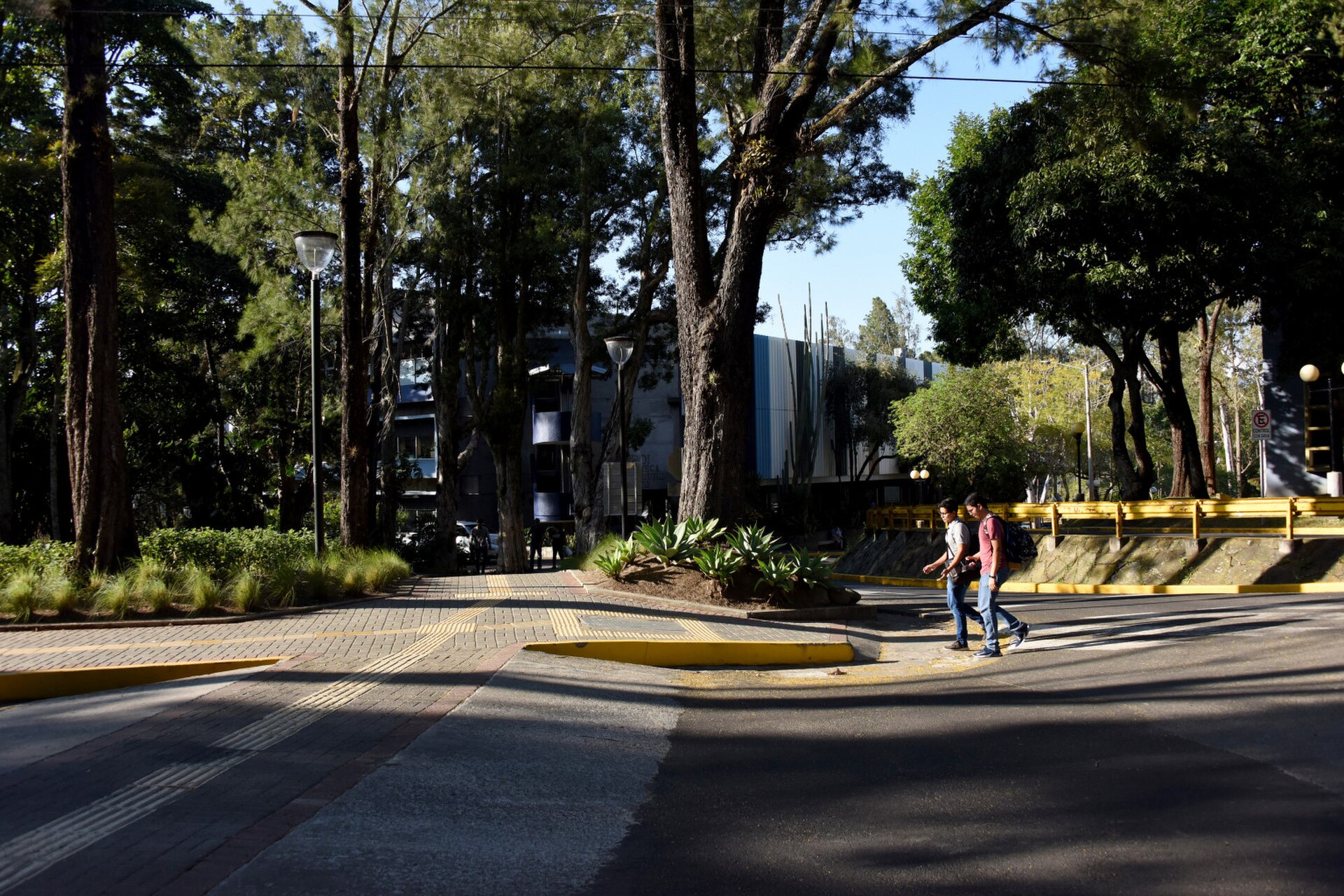
Costa Rica has five public universities: the University of Costa Rica (UCR), the National University (UNA), the Costa Rica Institute of Technology (TEC), the State Distance University (UNED) and the National Technical University (UTN). The cut takes ₡1.899 billion (US$4.2 million) from each of UCR, UNA, TEC and UNED, and ₡448 million (US$1.0 million) from UTN.
UCR rector Carlos Araya called the cut unconstitutional, saying the money was agreed in November 2025 by a liaison commission of government and rectors and that the Constitutional Court has barred lawmakers from reducing such agreed funds. He said the universities would go to court if the decision was not reversed by 11:59 p.m. on Tuesday.
What the Universities Say They Would Lose
The National Council of Rectors, known as Conare, estimates that the proposed cuts to university money across the 2026 and 2027 budgets could reach about ₡26 billion (US$56.8 million). The government’s proposal for the FEES budget itself was a 0% increase, and La Nación reported that talks between rectors and the government ended without agreement.
Araya said the UCR campus at Paraíso depends entirely on the money being cut, and a UCR student leader put that campus at 500 students and an academic centre in Limón at 400. Semanario Universidad also reported that UNA rector Jorge Herrera, who leads Conare, said part of the money is committed to labs, classrooms, libraries and residences at regional campuses, and that losing it would put 417 planned engineering places in Liberia, Nicoya, Sarapiquí, Pérez Zeledón and Coto at risk.
Education Minister Leonardo Sánchez argues that TEC holds substantial reserves, while university officials say much of that money cannot legally pay operating costs. After the march, Acosta said it reflected specific groups and was focused mainly on the universities, and that the way universities use their funds should be reviewed.
Thousands March on the Assembly
The march was called for 9 a.m. at the Fuente de la Hispanidad in San Pedro de Montes de Oca and walked to the Legislative Assembly in central San José, where La Nación said the Plaza de la Democracia was packed. Students, professors and staff from all five public universities joined unions and groups from health, agriculture, culture and labor rights, and opposition deputies took part.
Organizers expected 25,000 to 30,000 people, UTN director William Rojas told La Nación, while the outlets reviewed describe thousands and give no official count. Rain fell during the march, parts of Avenida Segunda stayed closed to traffic at 2:30 p.m., and the rectors watched the committee session from the public gallery.
The Rest of the 2027 Budget
Of 137 motions filed, only 25 were voted before the 11:30 p.m. deadline, and the committee’s rules then discarded the rest and forced the final vote. La Nación reported that only motion 16 won approval among the university cuts, while motion 104, which would have taken a further ₡8.918 billion (US$19.5 million) from university operating costs, and motion 105 on UCR math and science fairs did not pass.
The budget cuts the judiciary by about ₡10 billion (about US$22 million), a figure La Nación puts at ₡10.5 billion and CR Hoy at ₡10 billion, and keeps the freeze of ₡29.844 billion (US$65.2 million) that the opposition tried to remove. La Nación said budget rules 11 and 12 also freeze the filling of more than 400 vacant posts in judicial programs, including the OIJ and the Public Prosecutor’s Office, which pursue drug trafficking and organized crime.
The committee also moved ₡250 billion (US$546 million) from lines of the health insurer CCSS, the child nutrition centers Cen-Cinai, the housing bank Banhvi and the social aid agency IMAS to other social programs, including non-contributory pensions, Avancemos scholarships and school meals. The budget also raises funding for six ministries, including the Presidency and Finance ministries that former president Rodrigo Chaves leads.
Why the Budget Is Tight
The Tico Times reported on 19 October that 2026 revenue is about ₡400 billion (US$874 million) below budget and that the Finance Ministry is asking lawmakers to close the gap with spending cuts and new borrowing. It cited the Comptroller General’s Office, which projects that the financial deficit would rise from 4.3% to 4.8% of gross domestic product, the largest deterioration since 2020.
What It Means for You
For US readers following Costa Rica, the vote shows that the governing party can pass its cuts six to five when its committee members vote together. The details to watch are the 2026 deficit the Comptroller projects at 4.8% of output and the frozen judicial budget, which touches agencies that work with US authorities on drug cases, as we covered in Costa Rica Extradites Five Men to US on Drug Charges.
Costa Rican students and families face uncertainty over scholarships, new places and regional campuses until the full Assembly votes and any court challenge is settled. Our guides Costa Rica Explained: The Country, Its Politics, Its Economy and What to Watch and Costa Rica’s Economy Cools but Stays Solid in 2026 set out the politics and the economy behind the budget.
Visitors and residents in San José should check for street closures near the Assembly on protest days, since parts of Avenida Segunda stayed closed on Tuesday afternoon. Our San José city guide and What to Do in San José in October 2026: Iron Maiden and Tango cover getting around the capital.
What Is Not Known
It is not known whether the universities filed a court challenge after the 11:59 p.m. deadline Araya set, and the Constitutional Court precedent he cited was not reviewed for this article. No official count of marchers was found, and the organizers’ forecast of 25,000 to 30,000 is not a headcount.
The full Assembly can still change the budget in two debates before the 29 November deadline, so the cut and the judiciary freeze are not final. The size of the judicial cut also differs by source, at ₡10.5 billion in La Nación and ₡10 billion in CR Hoy, so the exact figure is unconfirmed.
The Assembly’s own committee record could not be opened for this article, so the vote counts and amounts rest on four Costa Rican outlets that agree with one another. The dollar figures follow the Finance Ministry’s 21 October sell rate and will move with the exchange rate.
Frequently Asked Questions
How big is the Costa Rica university cut?
The committee approved a cut of ₡8.048 billion (US$17.6 million) to the Special Fund for Higher Education. The money is meant to help pay the state’s unpaid employer contributions to the teachers’ pension fund Jupema.
Why was the vote held twice?
The first vote rejected the cut on Monday 19 October after PPSO deputy Kattia Ulate voted against it. She later said she had voted incorrectly, and the committee approved the cut six to five that evening.
Is the university cut final?
No, the budget still needs two debates and a final vote in the full Legislative Assembly, which has until 29 November. The universities have also said they could go to court.
Who marched on 20 October?
Students, professors and staff from the five public universities marched with unions and social groups from San José to the Legislative Assembly. Organizers expected 25,000 to 30,000 people, but no official count has been published.
Does the budget affect US cooperation on crime?
The budget keeps ₡29.844 billion (US$65.2 million) of judicial spending frozen and blocks more than 400 vacant posts, including at the OIJ and the Public Prosecutor’s Office. The sources reviewed do not say how the freeze would affect cooperation with US authorities.
Sources: La Nación, 20 October 2026 (committee vote); La Nación, 20 October 2026 (rectors); La Nación, 20 October 2026 (march); CR Hoy, 20 October 2026; Semanario Universidad, 20 October 2026; Semanario Universidad, 20 October 2026 (UN rapporteur); The Tico Times, 20 October 2026; The Tico Times, 19 October 2026; The Tico Times, 18 October 2026; Costa Rica Finance Ministry exchange-rate indicator, 21 October 2026.
Editorial responsibility: Matthias Camenzind, Editor-in-Chief · Editorial standards · Report an error
The Rio Times · Power Map
See who really holds power in Latin America
Click to open the Power Map →














 English (US) ·
 French (CA) ·
 French (FR) ·