

.png) 2 months ago
64
2 months ago
64
PROTECT YOURSELF with Orgo-Life® QUANTUM TECHNOLOGY
Orgo-Life the new way to the future Advertising by AdpathwayLast summer, one by one, all our visiting hedgehogs fell victim to the road. For the first time in years, the hedgehog house beneath a purple-leaved elder in a secluded corner of the garden sat empty over winter.
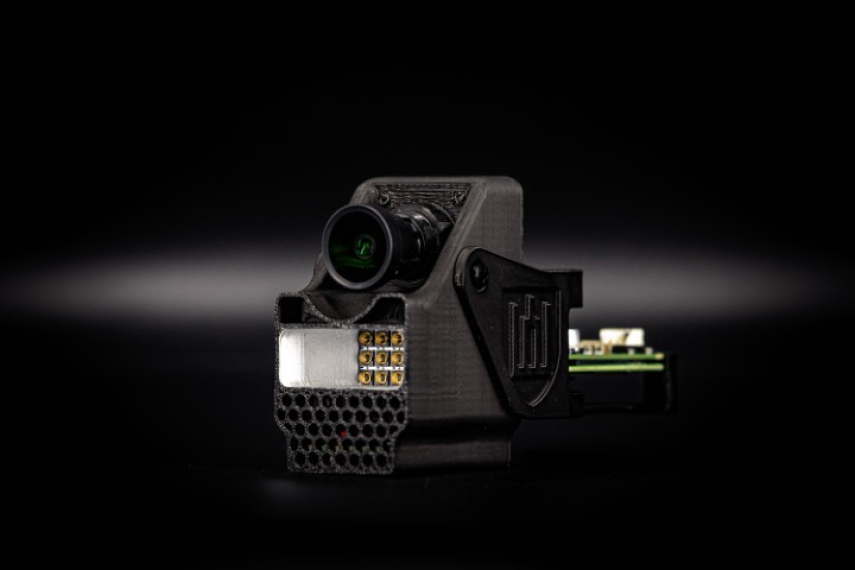
Then a few weeks ago I found fresh faeces on the patio, glistening with fragments of undigested insect exoskeleton – a sure sign that a prickly visitor was about. A few nights of camera trapping revealed a rotund adult with a distinctive arrowhead-shaped mark on its rump.
Having checked the nocturnal video recordings to ensure that the house wasn’t already occupied, I decided to clean it out and leave fresh bedding by the entrance to entice the new hedgehog to move in. The last time I looked inside, a palm-sized giant house spider had been in residence, so I tentatively lifted the lid and gave the old hibernaculum – a pile of barley straw and dried leaves that the previous tenant had woven and compressed into a robust sphere – a gentle prod with the end of a bamboo cane.
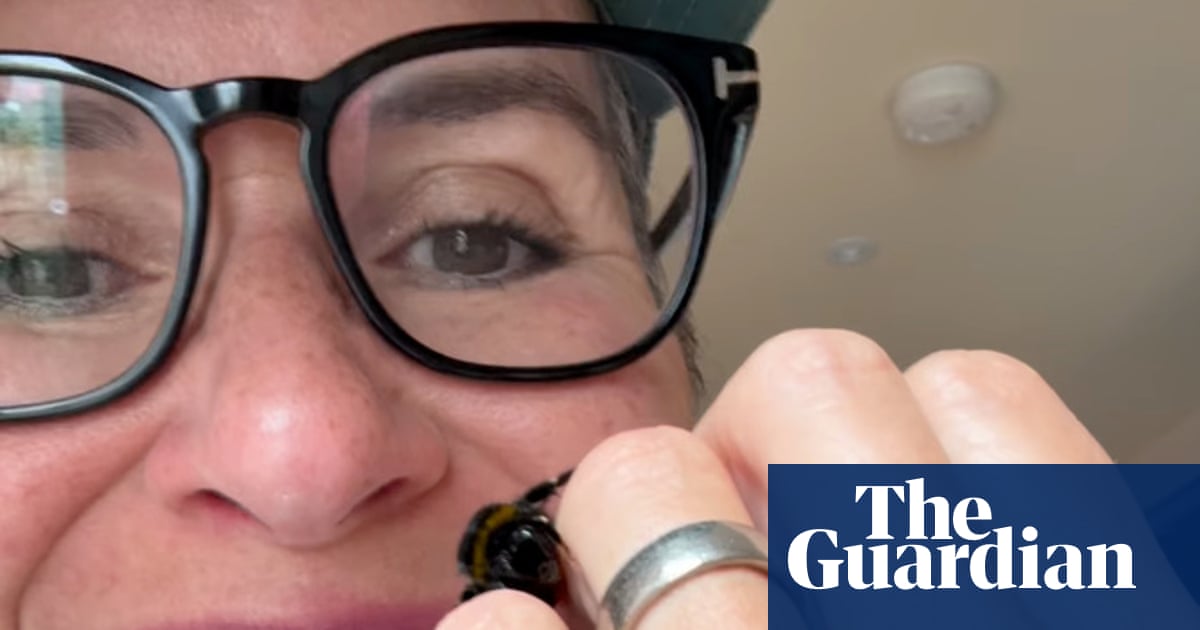
There was a sudden burst of radio static. Startled, I jerked backwards. The noise intensified. Having rehabilitated many sick and injured hedgehogs, I’m familiar with the defensive huffing sound they make when they feel threatened. But this was entirely different – a snake-like hiss, thin, high-pitched and harsh. Before I had a chance to figure out where it was coming from, the answer erupted from the box: a squadron of gingery tree bumblebees (Bombus hypnorum) heading straight for me.
Bumblebees are generally placid, but tree bumblebees are renowned for aggressively defending their nests. And yet this reputation proved to be somewhat exaggerated. While several hovered around my head and bumped against my bare arms in apparent warning, only one pursued me across the lawn as I beat a hasty retreat, and I escaped unstung.
Later, I discovered that the hiss – produced by workers vibrating their flight muscles without taking off – is characterised by strong signals in the ultrasonic spectrum to repel nest-raiding mice seeking a protein-rich bee brood. This defence mechanism is triggered by vibrations and the carbon dioxide in mammalian breath, so from the bees’ perspective my presence must have seemed anything but benign.














 English (US) ·
  French (CA) ·
  French (FR) ·