

 1 month ago
64
1 month ago
64
PROTECT YOURSELF with Orgo-Life® QUANTUM TECHNOLOGY
Orgo-Life the new way to the future Advertising by AdpathwayExpats & Nomads · Brazil
Key Facts
—Dates and Hours July 31 (10 AM-6 PM) and August 1 (10 AM-4 PM), 2026
—Location Boca Maldita, a historic pedestrian square in downtown Curitiba
—Cost Free entry with no registration required
—Main Activities Tastings, demonstration classes, workshops, and live music
—Cultural Focus Celebrates Paraná’s heritage of yerba mate and coffee production
The Yerba Mate Festival returns to Curitiba’s iconic Boca Maldita on July 31, 2026, offering a free, two-day immersion into southern Brazil’s most cherished drinks. Expats and digital nomads can explore the deep cultural roots of chimarrão and local coffee through tastings, workshops, and live music without spending a single real.
One-stop reference
Company Intelligence
Every listed company in Latin America — financials, ownership and structure for 1,450+ companies across 26 exchanges, in one place.
What Is Yerba Mate and How Is It Drunk?
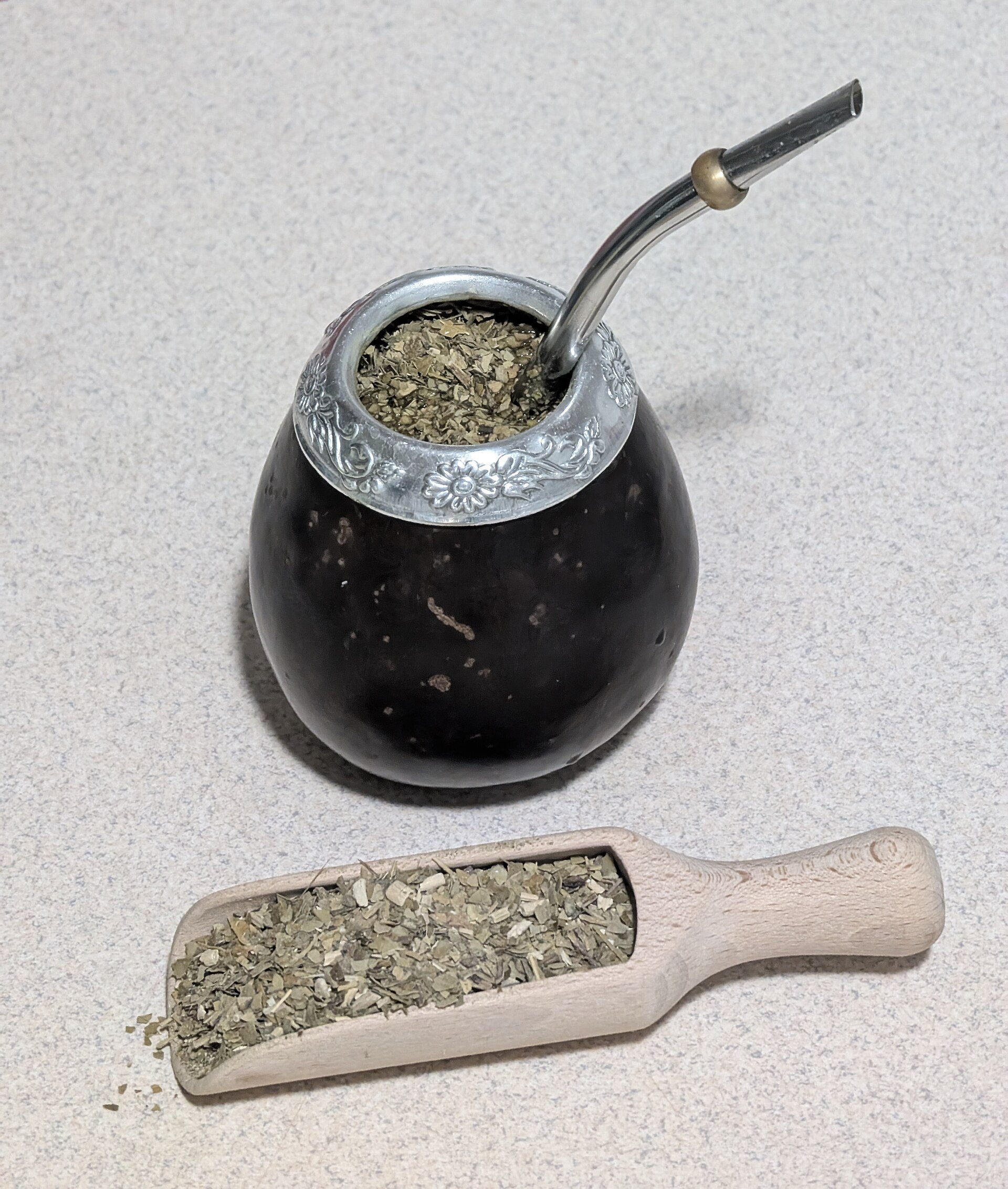
Yerba mate is a caffeine-rich herbal infusion made from the dried leaves of the Ilex paraguariensis tree, native to South America’s subtropical forests. In southern Brazil, it is called chimarrão, a finely ground, bright-green version distinct from the aged, twig-filled Argentine or Uruguayan styles.
The drink is prepared in a hollowed gourd, known locally as a cuia, and sipped through a metal straw called a bomba. The ritual is deeply social: a host fills the cuia with hot water and passes it clockwise, with each person drinking the entire serving before the gourd is refilled and handed to the next.
Never stir the bomba or say ‘thank you’ until you are finished, as accepting the gourd signals you want more. The flavor is grassy, slightly bitter, and earthy, often an acquired taste that quickly becomes a daily habit for expats living in the south.
Paraná’s Mate and Coffee Heritage
Paraná state is the heartland of Brazilian yerba mate production, with a history stretching back to Indigenous Guarani communities who first harvested the leaves. By the 19th century, mate was an economic engine, funding railways and opulent mansions across Curitiba.
Coffee arrived later, transforming northern Paraná’s red-soil farmlands into one of the world’s great coffee belts. Today, the state produces high-quality specialty beans that rival Minas Gerais, and small-batch roasters are thriving in Curitiba’s neighborhoods.
This festival deliberately pairs the two beverages, honoring a heritage where mate fueled southern gaúcho culture and coffee built the state’s modern agricultural wealth. For foreigners, it is a rare chance to taste both traditions side by side in a single afternoon.
Planning Your Visit to the Yerba Mate Festival
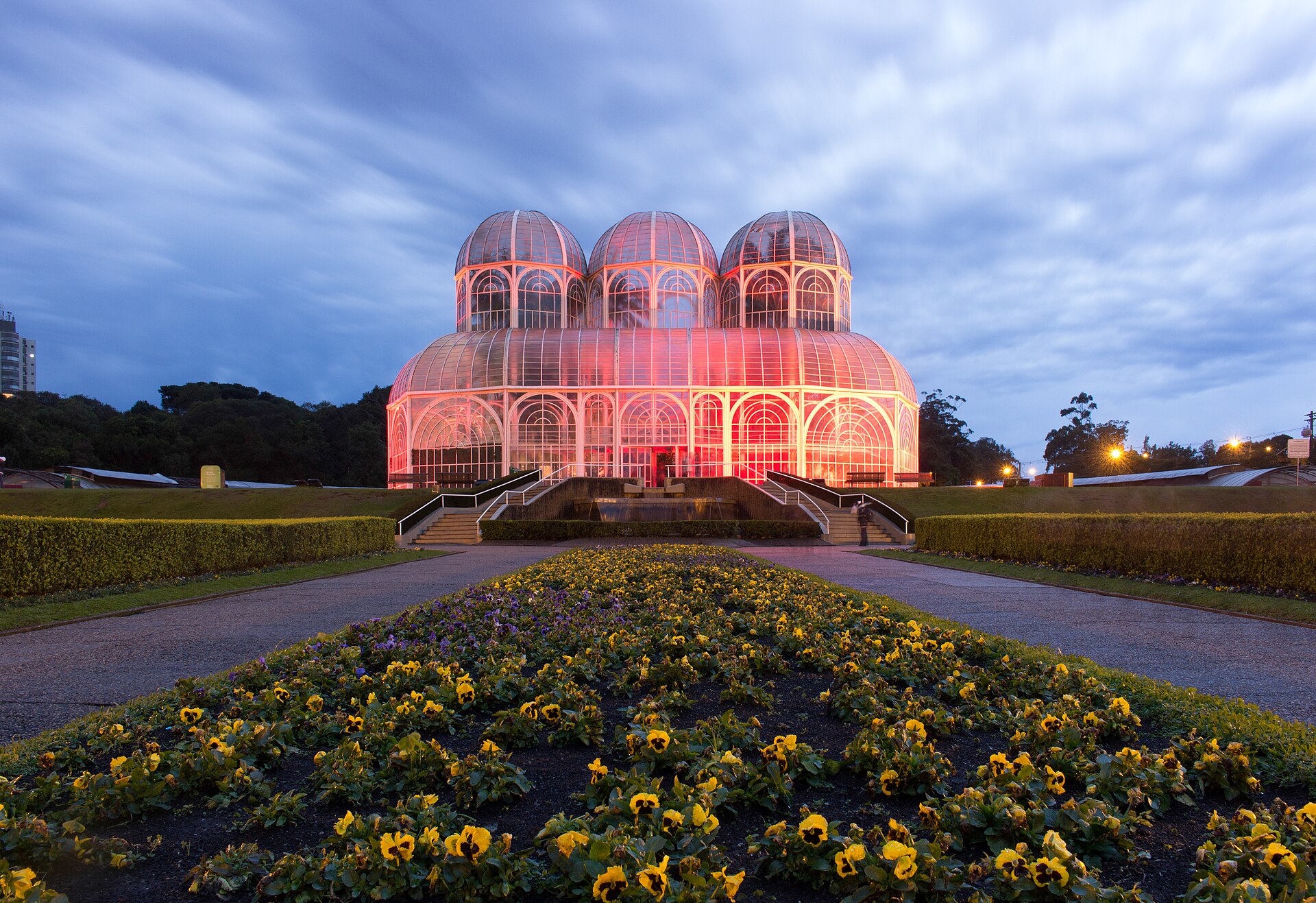
The festival unfolds at Boca Maldita, a lively pedestrian stretch on Avenida Luiz Xavier in Curitiba’s historic center. The name translates to ‘Cursed Mouth,’ a nickname earned in the 1950s when the area became a gathering spot for politicians, journalists, and retirees who debated everything loudly and without restraint.
Today, Boca Maldita is the city’s unofficial speakers’ corner, shaded by large trees and lined with cafés, newsstands, and street performers. Its central location makes it easily reachable on foot from most downtown hotels and coworking spaces.
For expats unfamiliar with Curitiba, the site sits just steps from the ornate Paço da Liberdade cultural center and the bustling Rua das Flores, the city’s main pedestrian shopping street. Arriving early lets you explore these landmarks before the festival crowds build.
What Happens Across the Two Days
Friday runs from 10 AM to 6 PM, opening with cultural presentations and the first round of free tastings. Demonstration classes, called aulas-show, let visitors watch expert brewers prepare chimarrão correctly and extract perfect espresso shots from Paraná-grown beans.
Workshops on Saturday, scheduled from 10 AM to 4 PM, dig deeper into technique, covering water temperature, grind size, and the etiquette of sharing mate in a group. Live music plays throughout both days, with local musicians performing samba, MPB, and regional folk styles.
The tastings are the heart of the experience. Stalls offer small cups of freshly brewed coffee and pre-prepared chimarrão for immediate sampling. Vendors also sell packaged yerba mate and whole-bean coffee to take home, making it easy to continue the ritual after the festival ends.
Practical Tips for Expats and Nomads
Reach Boca Maldita by taking the city’s efficient bus rapid transit system to the Praça Osório or Rua das Flores stops, both a short walk away. Ride-sharing apps like Uber and 99 operate widely in Curitiba, and a trip from the Batel or Água Verde neighborhoods costs around R$15 (~US$2.78).
Bring a reusable water bottle and dress in layers. Curitiba’s July weather is cool and often drizzly, with daytime temperatures hovering between 10°C and 18°C. The festival is entirely outdoors, so a light rain jacket and comfortable walking shoes are essential.
Portuguese phrases help at the stalls. Try ‘Quero provar chimarrão’ (I want to taste chimarrão) or ‘Qual café você recomenda?’ (Which coffee do you recommend?). Most vendors are patient with beginners, and the relaxed, no-registration format means you can drift between tents at your own pace.
Carry cash in small bills for any purchases, though many vendors accept Pix, Brazil’s instant payment system. If you have not yet set up a Brazilian bank account, ask a local friend to transfer money or use a compatible international app that supports Pix QR codes.
Why This Festival Matters for Newcomers
The Yerba Mate Festival strips away the intimidation of approaching a deeply local custom. Instead of watching from the sidelines, expats can taste, ask questions, and learn the unspoken rules of the chimarrão circle in a welcoming public space.
Connections form naturally over shared gourds and coffee cups. Digital nomads often report that understanding mate culture opens doors socially, as accepting an invitation to join a roda de chimarrão signals respect and curiosity about southern Brazilian life.
The event also highlights Curitiba’s broader identity as a city that values public space, sustainability, and cultural preservation. For foreigners considering a longer stay, the festival offers a low-stakes, high-reward introduction to the rhythms and rituals that define daily life in Paraná.
Frequently Asked Questions
Do I need to register or buy tickets for the Yerba Mate Festival?
No. Entry is completely free and operates on a first-come, first-served basis. You can simply show up at Boca Maldita during festival hours on either day.
Is the festival suitable for people who have never tried chimarrão before?
Absolutely. The event is designed for all experience levels, with demonstration classes and tastings that guide newcomers through the preparation and etiquette of drinking chimarrão.
What language are the workshops conducted in?
Workshops and demonstration classes are conducted in Portuguese. However, the visual nature of the brewing demonstrations makes them easy to follow, and vendors are generally welcoming to foreigners making an effort to learn.















 English (US) ·
  French (CA) ·
  French (FR) ·