

 5 hours ago
10
PROTECT YOURSELF with Orgo-Life® QUANTUM TECHNOLOGY
Orgo-Life the new way to the future Advertising by Adpathway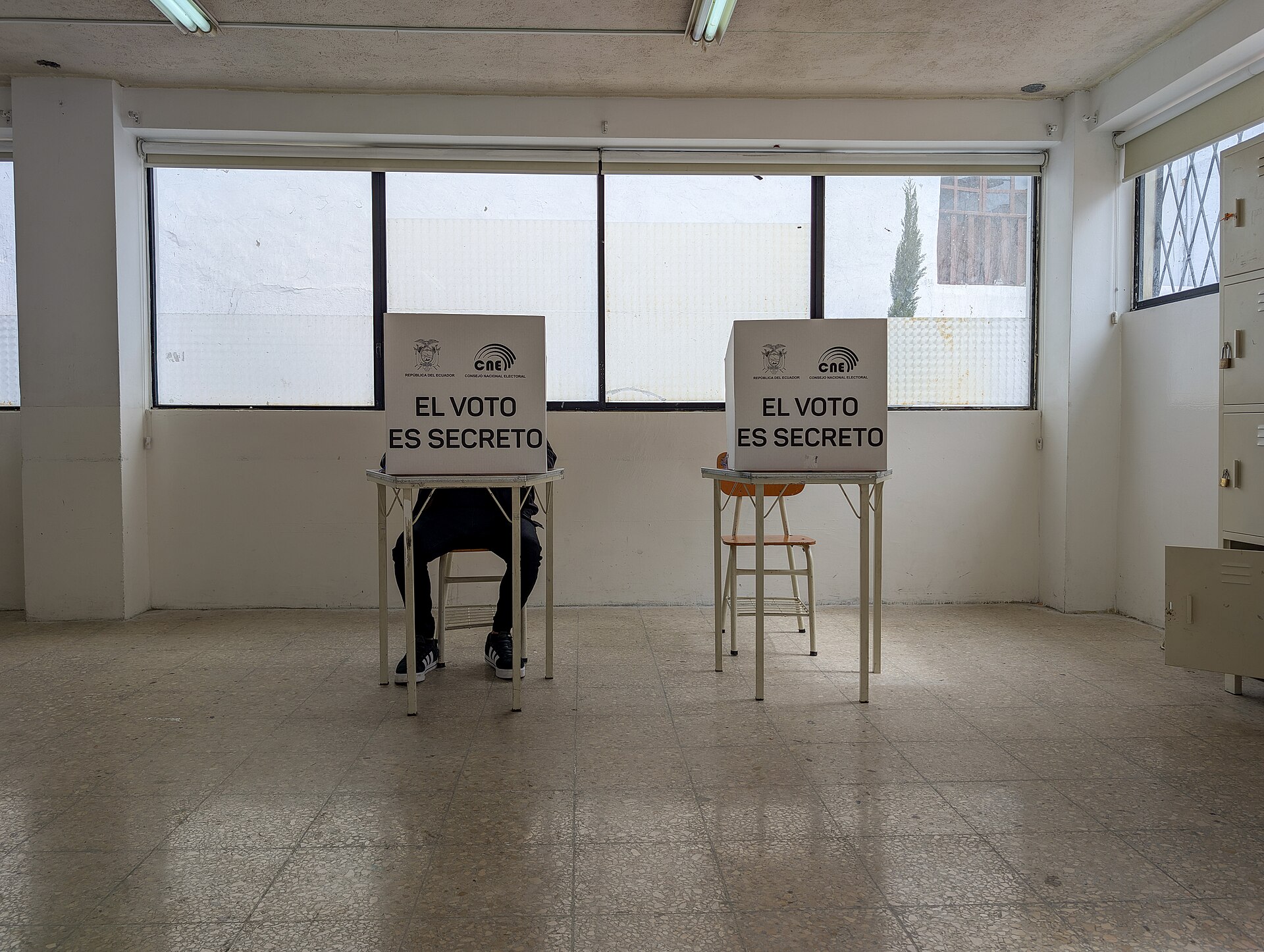
ECUADOR · BRIEF
Ecuador has a plan for the moment floodwater reaches a polling station on election day, Sunday 29 November 2026. The CNE, Ecuador’s National Electoral Council, has set out an emergency protocol and tested it in a national drill on Sunday 15 November.
The CNE moved the local elections up from 14 February 2027 because of El Niño, a Pacific weather pattern that brings heavy rain. Voters will choose prefects, who govern provinces, plus mayors, councillors and the CPCCS, the citizen participation council.
Key Facts
Free daily brief — no card needed
Get every Ecuador story in one morning email
We build you a personalized brief around the topics you follow — free for 7 days. Love it? Your first month after that is US$1.
Yes, email me my free daily brief — I can unsubscribe any time.
- What. Emergency protocol for evacuating flooded polling sites, with possible pauses in voting.
- Where. Ecuador, in local elections for provincial prefects (governors), mayors, councillors and the citizen participation council.
- When. Sunday 29 November 2026, 7 a.m. to 5 p.m. Ecuador time.
- Open. No CNE rule found on votes already cast if a site closes for good.
- As of. Sunday 22 November 2026, 18:00 GMT
Ecuador’s electoral council has set out who decides, who moves voters and who guards ballots if floods hit a polling site.
Voting runs from 7 a.m. to 5 p.m. on a clock that matches US Eastern Standard Time and sits five hours behind GMT. Floods could force officials to evacuate a polling site and pause the reception of votes.
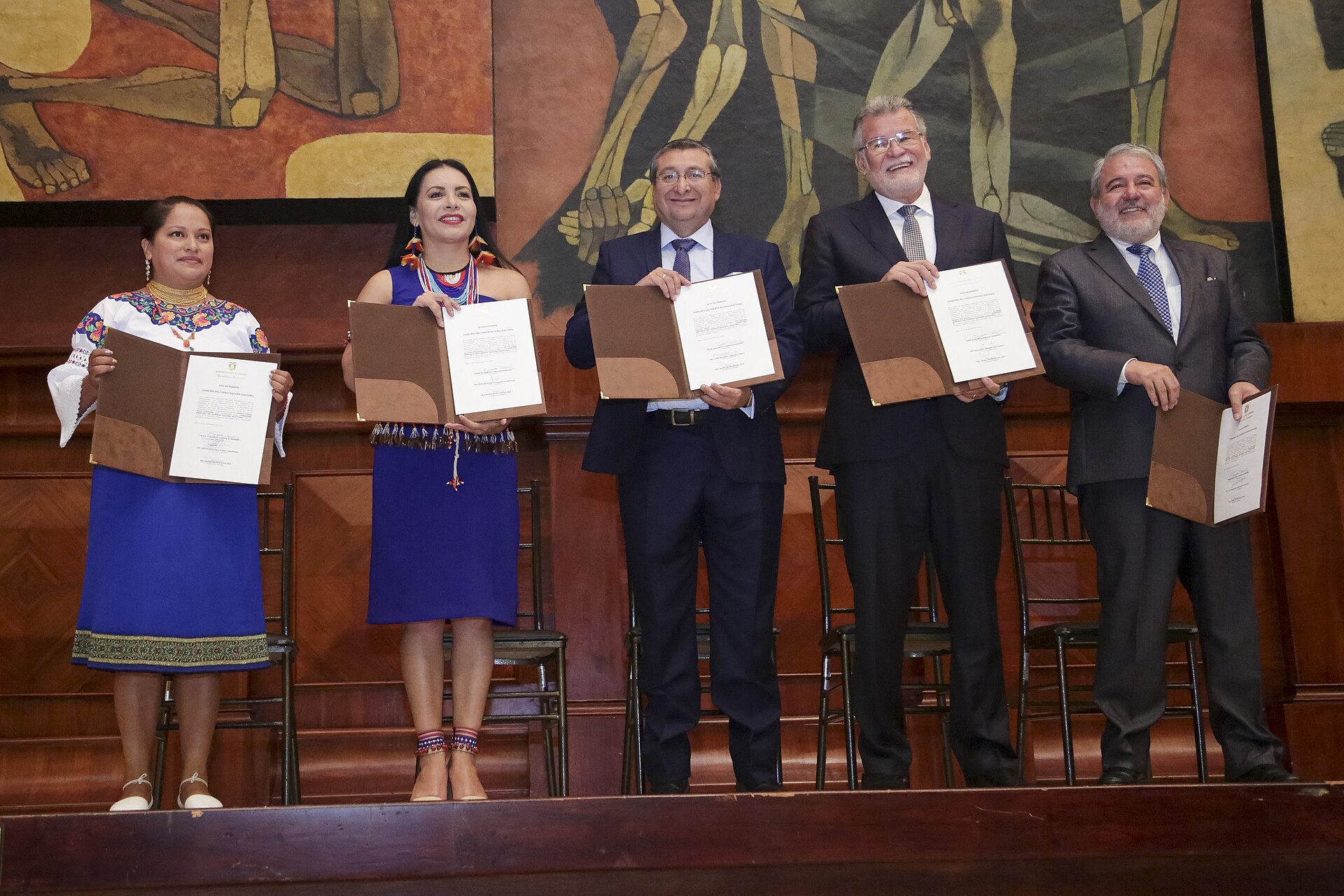
The decision to evacuate is not automatic. First the team must decide whether the water endangers people or stops the polling boards from working.
A unified command post of three people makes that call: the coordinator of the polling site, an Armed Forces officer and a National Police representative. The post can interrupt voting and order people out.
If it orders an evacuation, the National Police direct voters out along previously set routes. Polling board members, the officials who run each voting table, secure and move the electoral material with military support.
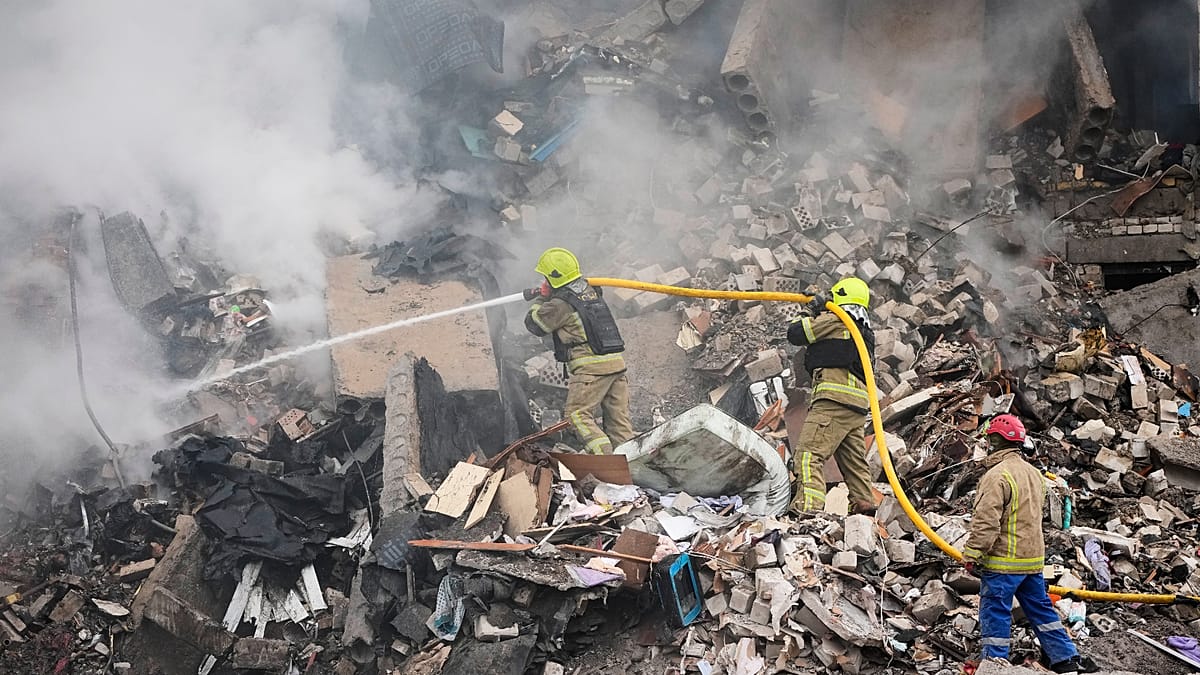
Firefighters remove the accumulated water. Once the emergency is under control, officials inspect the site again before deciding whether voting can resume there.
Evacuation does not necessarily cancel the vote at that site. The CNE has more than 2,500 alternative venues that it can use if a site becomes unusable.
CNE president José Cabrera said in an interview on Wednesday 18 November 2026 that seven polling sites were flooded that morning, down from 21 the weekend before. He warned that the weather could force the CNE to move polling sites and even suspend or postpone voting in some areas.
“If a downpour hits us the night before and people cannot get near the polls, or if there is a landslide, we have to make decisions,” he added. We found no CNE rule on what happens to votes already cast if a site closes for good.
Related coverage: Ecuador news; what to watch in the vote; the polling sites that flooded before the vote; the flood safety guide for US travellers.
Frequently Asked Questions
Who decides to stop voting at a flooded site?
A command post of three officials, one each from the site, the Armed Forces and the National Police. It decides whether the water endangers people or stops the boards from working.
Does an evacuation end voting there?
Not necessarily. Officials inspect the site once the emergency is controlled and then decide whether voting resumes.
Sources: CNE emergency protocol and national drill of 15 November 2026, as described by the CNE; CNE president José Cabrera, interview of 18 November 2026.
This article was produced by The Rio Times’ automated AI newsroom. Editorial responsibility: Matthias Camenzind, Publisher and Editor-in-Chief. The Rio Times also runs Ask Rio Times, which answers from 100,000+ of our own articles, the daily Latin America Power Map, and prediction-market odds on elections and markets.. How we use AI · Report an error
Follow this story
Get an email when there’s news on Ecuador floods
The Rio Times · Power Map
See who really holds power in Latin America
Click to open the Power Map →














 English (US) ·
 French (CA) ·
 French (FR) ·