

PROTECT YOURSELF with Orgo-Life® QUANTUM TECHNOLOGY
Orgo-Life the new way to the future Advertising by Adpathway
India’s current strategic petroleum reserve capacity is barely a week’s worth of current daily consumption | Photo Credit: PhonlamaiPhoto
For more than six years after December 2014, oil prices were below $65 a barrel, touching $19 a barrel in April 2020, coinciding with the outbreak of Covid. Prices have ruled firm since the Ukraine war which began in February 2022. In terms of creating storage and buying up for adverse times, India could have fared better. However, a course correction is in progress.
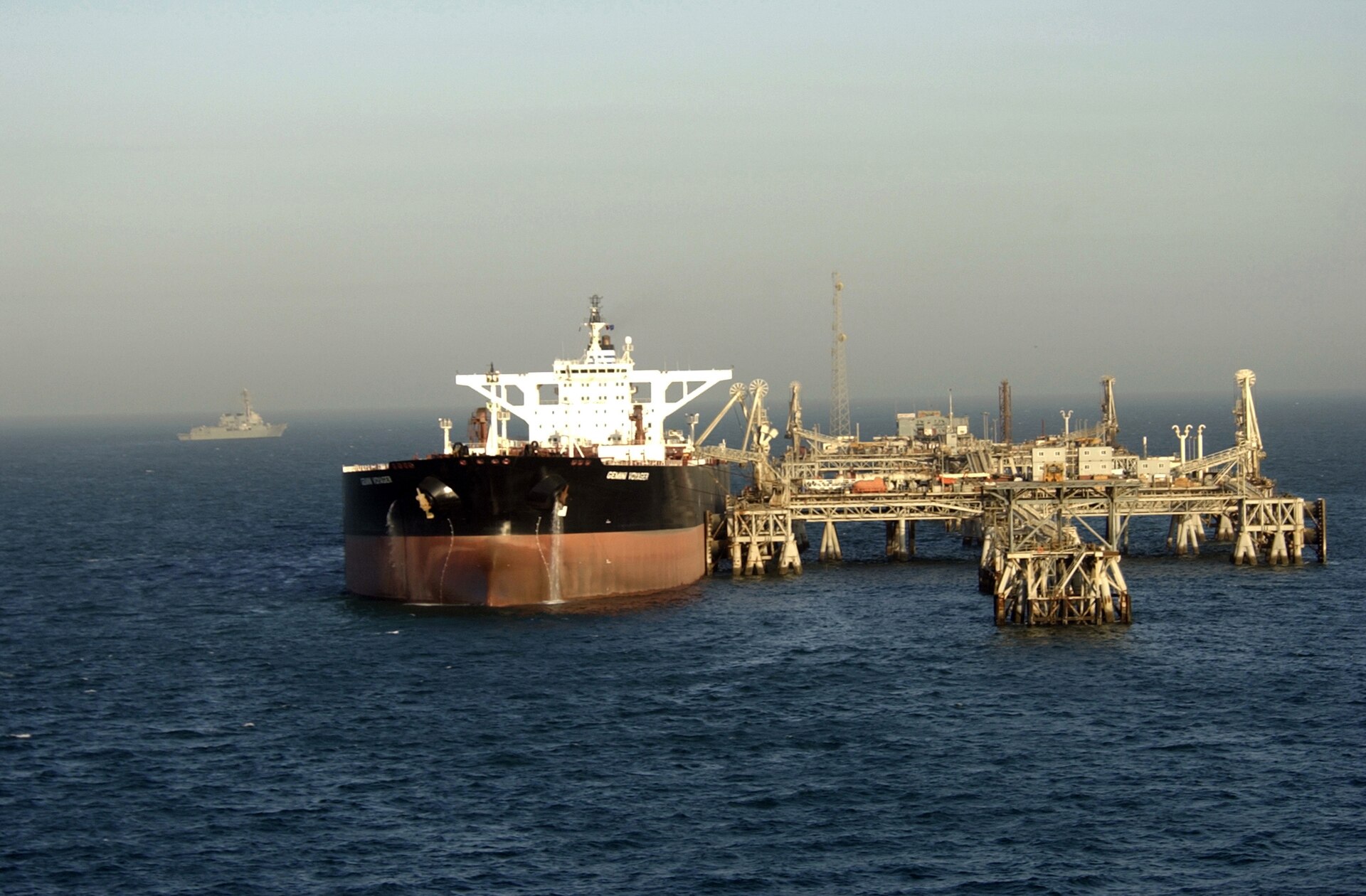
India’s current strategic petroleum reserve (SPR) capacity stands at a modest 5.33 million tonnes (MT) across underground caverns in Visakhapatnam, Mangaluru, and Padur. This provides barely a week’s worth of current daily consumption, even as commercial stocks with oil companies account for over two months’ demand. These capacities are inadequate to cope with geopolitical risk. The government had granted in-principle approval for Phase II expansion of the SPR by 6.5 MT in 2018 — comprising Padur (2.5 MT) and a new facility at Chandikhol in Odisha (4 MT). The Padur project was awarded to a private concessionaire only in 2025, while Chandikhol is yet to see progress. This delay is surprising. The government must expedite Phase II execution and initiate Phase III greenfield site selections. Industry estimates peg Beijing’s strategic oil reserve capacity at roughly 360 million barrels — almost 10 times India’s. While China’s economic size justifies such large reserves, these provide energy security in times of global risk. To boot, India’s modest strategic oil reserve facilities are often part-empty. In December last, the Comptroller and Auditor General pulled up the government for chronic underutilisation, given that capacity usage had hovered between 8.74 per cent and 58.41 per cent from FY18 to FY24, except in FY21.
While procuring crude to ramp up reserves imposes a heavy fiscal strain, India’s 2018 commercial model with Abu Dhabi’s national oil company ADNOC offers a proven template. ADNOC stores its oil in ISPRL’s caverns in Padur. Amid escalating regional volatility, Saudi Aramco is reportedly exploring arrangements with other nations to store its crude. India did sign an MoU with the oil firm in 2018, but execution was stalled as priorities changed for the oil producer. The government must seal such storage arrangements with foreign producers. Commercial leasing to refiners — as demonstrated by HPCL and MRPL — frees locked-up sovereign capital while preserving India’s absolute first right of refusal during supply emergencies. Waiting for the crisis to worsen in order to build infrastructure is a hazardous ploy.
Finally, state oil marketing companies should maintain a fixed minimum percentage of crude stocks within ISPRL caverns. India should actively bring to fruition overseas storage strategies across the world — such as the UAE/Fujairah framework signed in May this year. It could potentially store oil in Abu Dhabi, counting it as part of India’s reserves. Oil vulnerability is too serious to be ignored.
Published on October 29, 2026















 English (US) ·
 French (CA) ·
 French (FR) ·