

PROTECT YOURSELF with Orgo-Life® QUANTUM TECHNOLOGY
Orgo-Life the new way to the future Advertising by Adpathway
Story at-a-glance
- LSD shows promise for anxiety treatment. A Phase 2b clinical trial in adults with generalized anxiety disorder found that 100 micrograms of MM120 (pharmaceutical LSD) reduced anxiety significantly with lasting effects through 12 weeks
- Study results were encouraging. Researchers noted that 65% of participants experienced clinical response at optimal dosing, with 47.5% achieving remission that sustained through 12 weeks of follow-up
- Safety profile was manageable. Most side effects occurred during dosing sessions and resolved quickly, with visual changes and nausea being most common under medical supervision
- Note that LSD remains illegal. It is currently classified as Schedule I controlled substance, accessible only through approved clinical trials, with results of Phase 3 trials expected by 2026
- In the meantime, natural anxiety alternatives exist. Breathing techniques like nasal breathing, horizontal breathing patterns, and controlled breathing practices can help manage anxiety symptoms without medication
In a 2025 blog post by bioenergetics expert Georgi Dinkov, he highlighted the link between LSD and anxiety. Short for lysergic acid diethylamide, this drug has been banned for decades by the government for being highly “addictive,” as well as apparently triggering psychosis among its users.1 However, as Dinkov pointed out, LSD is scaring Big Pharma because it is a potent antianxiety drug when taken under medical supervision. Moreover, the effects were long-lasting.2 This means that if LSD were to be released to the public under reasonable regulations, Big Pharma will suffer huge losses. After all, why would anyone buy their harmful and addictive antianxiety medication when they can just take a small dose? That said, here’s an analysis of the featured study.
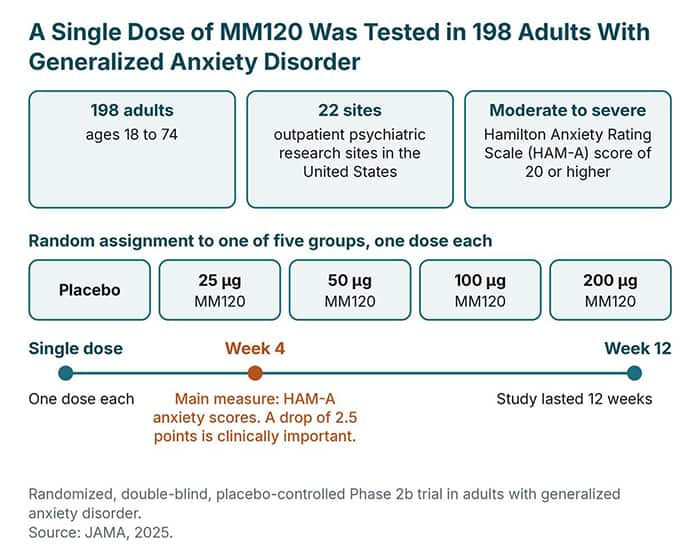
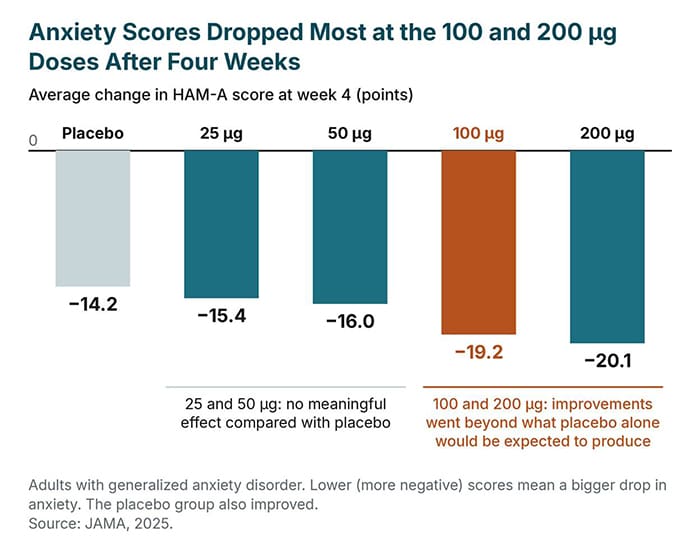
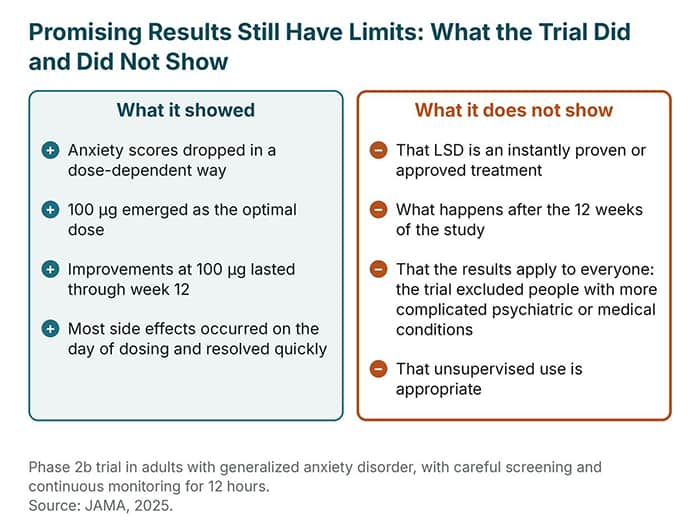
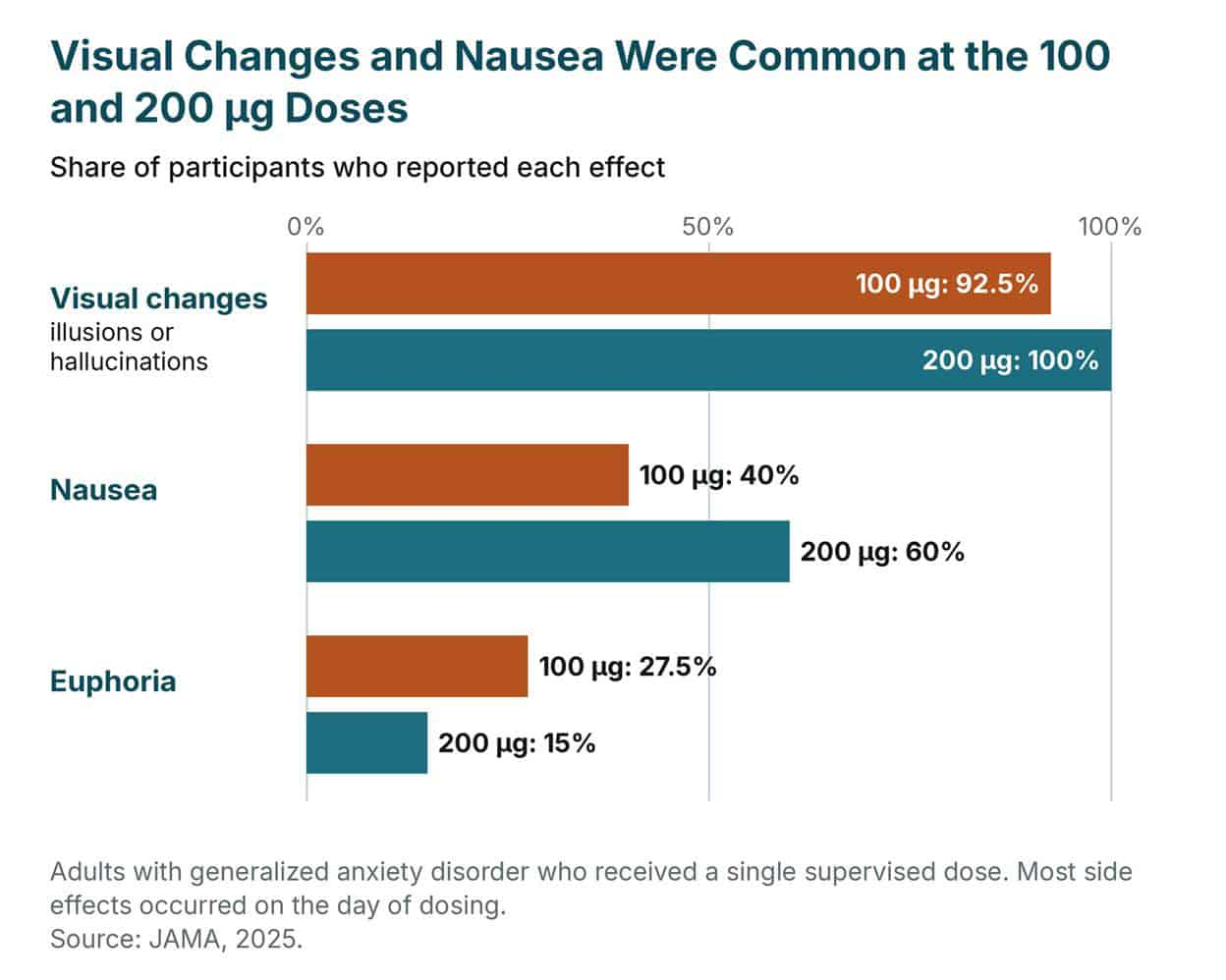
In a paper published in JAMA,3 researchers funded by biotechnology company MindMed published their findings of a multicenter, double-blind, placebo-controlled, Phase 2b study. For context, clinical trials are generally divided in three phases — 1, 2, and 3.4 This means at the time of publishing, the research has already expanded to medium-sized testing and analysis. • Context of the study — In 2020, MindMed published the findings of their Phase 1 trials of MM120,5 which is an “oral pharmaceutical formulation of LSD.”6 After positive Phase 2b results, the U.S. Food and Drug Administration (FDA) granted Breakthrough Therapy Designation for MM120 in generalized anxiety disorder in 2024.7 • Continuing the research — The Phase 2b trials published in JAMA took place across 22 outpatient psychiatric research sites in the United States and involved 198 participants between the ages of 18 and 74. Every participant had a confirmed diagnosis of moderate-to-severe GAD, defined by a score of 20 or higher on the Hamilton Anxiety Rating Scale (HAM-A), a widely accepted clinical measure of anxiety severity. • Conducting Phase 2b trials — Participants were randomly assigned to one of five groups — placebo, 25 micrograms (μg), 50 μg, 100 μg, or 200 μg of MM120. The trial’s main measure of success was whether anxiety scores on the HAM-A dropped meaningfully, in a dose-dependent way, after four weeks. A reduction of 2.5 points on the HAM-A is considered clinically important. Figure 1. The Phase 2b trial randomly assigned 198 adults to placebo or one of four single doses of MM120, with the main measure at week 4 and follow-up through week 12. • Findings of the trials — The standout result was that 100 micrograms emerged as the optimal dose. At this dose, about 65% of participants experienced a clinical response at week 12, which means their anxiety scores fell by at least half. Even more compelling, 47.5% of these individuals reached remission, with anxiety levels so low they were considered minimal. Taken altogether, the results were striking in how much MM120 impacted HAM-A scores. Below is a simplified table showing the effects at different doses: • The 100 μg dose stood out — Again, it had the best combination of strong anxiety reduction and sustained effects with manageable side effects. • Effects were better as time went on — By the four-week mark, the benefits of MM120 were already strong. The mean reduction in HAM-A scores at the 100 μg dose was −19.2 points, compared to −14.2 in the placebo group. While placebo effects were notable, the improvements at 100 μg and 200 μg went beyond what would be expected from placebo alone. Figure 2. Average HAM-A score changes at week 4 were largest at the 100 μg and 200 μg doses; the 25 μg and 50 μg doses did not differ meaningfully from placebo. • What makes this trial stand out is the robustness of the results — Improvements at 100 μg lasted through week 12. While the 200 μg dose also produced reductions in anxiety, its side effects were less favorable, making the 100 μg dose the “sweet spot” for balancing benefit with tolerability. The lower doses of 25 μg and 50 μg, by contrast, did not produce meaningful effects compared to placebos. The findings are encouraging because they show that one carefully supervised dose of MM120 can lead to substantial, lasting relief from generalized anxiety disorder (GAD), at least through 12 weeks of follow-up. • A possible respite from polypharmacy — For patients who have cycled through selective serotonin reuptake inhibitors (SSRIs), benzodiazepines, or cognitive therapy without consistent results, this study presents a glimpse of a new therapeutic model — one that does not rely on chronic daily dosing. • It is important to temper expectations — The results do not mean LSD is an instantly proven or approved treatment. Keep in mind, this was a Phase 2b trial, which is designed to test the concept in a controlled environment. The study also lasted only 12 weeks, so it’s hard to accurately predict what happens after that. In addition, the trial excluded individuals with more complicated psychiatric or medical conditions, so it’s harmful to assume the results apply to everyone. While the results point to promise, they are not a green light for unsupervised use. What the findings show is that MM120 needs further larger trials to confirm its safety and effectiveness, should it be released to the public. This is the reason why they are now moving to Phase 3 trials, with the results to be released in 2026.8 Figure 3. What the Phase 2b trial showed, and what it does not show. Safety was closely monitored throughout the trial. Most side effects occurred on the day of dosing and resolved before participants went home. Here’s a breakdown of what the participants experienced: • Mental effects — The most common experiences at the 100 μg and 200 μg doses were visual changes, such as illusions or hallucinations, which occurred in 92.5% to 100% of participants, respectively. In addition, 27.5% of participants in the 100 μg group experienced euphoria, while 15% of the 200 μg group experienced it. • Physical side effects — Nausea was frequent, affecting 40% to 60% of the 100 μg and 200 μg group, respectively. Figure 4. Visual changes, nausea, and euphoria were reported at both the 100 μg and 200 μg doses. • Two participants described feeling severely intoxicated — However, these effects were resolved by the end of the dosing session. Importantly, there was one serious adverse event — a panic attack that occurred 97 days later in a person in the 50 μg group, but investigators determined this was not related to MM120. Lastly, no suicides, self-harm behaviors, or severe psychiatric destabilizations were reported. These results suggest that under strict medical supervision, MM120 can provide antianxiety benefits. But again, it’s important to remember that the trial included careful screening, continuous monitoring for 12 hours, and support staff on hand — conditions that do not exist outside research settings. Here’s a comparison of MM120 against other substances currently under testing or already approved for public consumption: • Psilocybin and ketamine — Psilocybin, another psychedelic, has been studied in depression and shows long-lasting benefits after one or two doses. However, trials specifically in anxiety disorders are fewer, and its use is not yet approved. Esketamine, a ketamine derivative, in contrast, is FDA-approved for treatment-resistant depression and offers rapid relief, but the effects often fade within days or weeks, requiring repeated administration. In this sense, MM120 appears to be unique — one dose led to improvements that lasted three months, something not seen in ketamine trials and only beginning to emerge in psilocybin research. • SSRIs and benzodiazepines — SSRIs are the current first-line treatment for GAD, but many patients fail to respond adequately, and side effects such as sexual dysfunction or weight gain often result in discontinuation. Benzodiazepines work quickly, but carry the risks of tolerance, dependence, and withdrawal. As noted by the researchers:9 “Serotonin reuptake inhibitors are commonly prescribed as first-line treatment, but a lack of efficacy and the adverse effects can contribute to disease burden, treatment nonadherence, and treatment discontinuation. Benzodiazepines have shown acute efficacy in patients with GAD, but their use is limited by adverse effects and risk of misuse or dependence.” While the study shows potential, LSD is still classified as a Schedule I controlled substance under federal law in the United States.10 That means it is currently considered to have no accepted medical use and carries strict legal penalties for possession and use outside of authorized research. For now, the only way people can access MM120 is by participating in approved clinical trials. Are you struggling to manage your anxiety? If you’ve been relying on medication for a while, it’s time to break free from the clutches of Big Pharma, with your prescriber’s guidance. While LSD isn’t legal and it will likely take years before that happens, you can address your anxiety naturally with these breathing strategies: 1. Breathe through your nose — Inhaling through your nose helps filter, warm, and moisten the air before it reaches your lungs. This process supports better oxygen absorption and keeps carbon dioxide levels balanced, which may support soothing your nervous system. When you feel uneasy, try slowing down and focusing on steady nasal breaths. 2. Practice horizontal breathing — Rather than taking vertical breaths that cause your chest to rise and activate stress responses, shift to horizontal breathing. This technique involves widening your ribcage outward instead of lifting it upward. Breathing this way eases tension and may help keep your nervous system from slipping into a stress-driven state. 3. Breathe more gently, not more often — Quick, forceful breaths can heighten anxiety by pushing your oxygen-carbon dioxide balance out of sync. The goal is to breathe fewer times per minute and with a softer rhythm. This steadiness preserves healthy carbon dioxide levels, which may help quiet your mind and lower stress hormones like cortisol. 4. Make controlled breathing a habit — Regularly practicing mindful breathing techniques may reshape how your brain responds to pressure. Methods such as alternate nostril breathing or the Buteyko approach encourage slower, more intentional breaths. Over time, this may activate your parasympathetic nervous system, creating calmness and improving your resilience against anxiety. In addition to these breathing techniques, there are other far safer strategies you can explore. Discover other non-drug anxiety remedies by reading “Anxiety May Be an Inherited Trait.” Q: Does a single dose of LSD reduce anxiety for months? A: Yes. In the JAMA-published Phase 2b trial of MM120, a single supervised dose led to significant reductions in generalized anxiety disorder symptoms. What made this study remarkable is that the improvements were not short-lived. At the 100-microgram dose, benefits were still measurable at 12 weeks after treatment. Q: What dose worked best in the clinical trial? A: The trial tested four different doses — 25, 50, 100, and 200 micrograms — plus a placebo. The 100-microgram dose was identified by the researchers as the optimal dose, showing both a significant reduction in HAM-A scores and a durability signal lasting through week twelve. At this level, about 65% of participants achieved a clinical response, and nearly half reached remission. The 200-microgram dose did reduce anxiety but came with more side effects and did not provide a better benefit than 100 micrograms. Q: Is psychotherapy required with LSD for anxiety? A: Not in the JAMA trial. Previous psychedelic research often combines the drug with guided psychotherapy sessions, making it hard to know which component drives the benefit. This study deliberately removed that variable — participants were monitored and supported for safety and comfort, but active psychotherapy was not provided during the dosing session. This design was intended to isolate the effects of MM120 itself. Q: Is LSD legal for anxiety treatment in the U.S.? A: No. LSD remains a Schedule I substance under the Controlled Substances Act, which means it is considered to have no accepted medical use and it is illegal to possess or use outside of authorized research. Only approved clinical trials, such as the one published in JAMA, can legally administer MM120. Until Phase 3 trials are complete and federal regulators act, LSD cannot be prescribed for anxiety in the U.S. Q: What are the most common side effects? A: Most side effects occurred on the dosing day and resolved by the end of the 12-hour monitoring period. At the 100-microgram dose, the most frequent effects were visual perceptual changes, such as illusions or hallucinations, along with nausea and headaches. Some participants also reported euphoric moods. Nearly all of these were mild to moderate, and no lasting psychiatric harms were reported in the trial. Q: How does LSD compare to psilocybin or ketamine for anxiety? A: Esketamine, a ketamine derivative, is FDA-approved for treatment-resistant depression, but its effects often wear off quickly, requiring repeated doses. Psilocybin has shown promise in clinical trials for major depressive disorder and other conditions, with some lasting benefit, but research in generalized anxiety disorder is still limited. LSD, in this trial, demonstrated lasting improvements in anxiety symptoms after just one dose. However, unlike ketamine, LSD is not legally available as a treatment outside trials, and unlike psilocybin, it has not yet entered widespread clinical programs for mood disorders. Q: Could LSD make anxiety worse? A: Yes, in some cases. While most participants experienced improvement, paradoxical reactions are possible. One person in the study reported a panic attack 97 days later, which investigators determined was unrelated to the drug, but it highlights the importance of careful screening and supervision. This is why controlled conditions with trained staff are necessary when LSD is administered during trials. This article is for informational purposes only and does not constitute medical advice. Consult a qualified healthcare provider before making changes to your health regimen.Does LSD Help Anxiety? Here’s What Researchers Found
Following Up on the Participants — What Changed by Week 4 vs. Week 12
Group
Mean HAM-A Reduction at Week 4
Response Rate (≥50% drop)
Remission Rate (≤7)
Sustained Benefit to Week 12?
Placebo
−14.2
~35%
~20%
Minimal
25 μg MM120
−15.4
Similar to placebo
Low
No significant difference
50 μg MM120
−16.0
Slightly higher
Low
Not significant
100 μg MM120
−19.2
~65%
~47.5%
Yes, through week 12
200 μg MM120
−20.1
Worse tolerability
Not reported
Yes, through week 12
The Implications of the Results
Safety Snapshot of MM120
How Does MM120 Compare to Other Substances?
The Legality of LSD in the US
Natural Strategies to Manage Anxiety
Frequently Asked Questions on Medical LSD and Anxiety












 English (US) ·
 French (CA) ·
 French (FR) ·