

 2 months ago
85
2 months ago
85
PROTECT YOURSELF with Orgo-Life® QUANTUM TECHNOLOGY
Orgo-Life the new way to the future Advertising by AdpathwayFor several global central banks, the question of whether the Iran war poses more of an immediate danger to inflation or to growth is likely to remain open in the coming week.
Officials responsible for monetary policy in seven of the world's most-traded currency jurisdictions are anticipated to keep settings steady again. A well-flagged rate hike from the Bank of Japan to continue its exit from low borrowing costs and a close call in Norway are likely exceptions, but the US Federal Reserve and its peers from the UK to Sweden are expected to make no changes.
The urge to wait longer to gauge the impact of a conflict whose duration just surpassed 100 days may be reinforced by the US President's efforts to secure a peace deal with Iran. That process will play out against the backdrop of his expected attendance at a summit of the Group of Seven in France on Monday.
But a sense of divergence within the club of advanced economies is already crystallising after the European Central Bank delivered its first interest-rate increase since 2023.
Peers in Norway and Australia have already raised rates, although they have no urgency to do so again. Meanwhile, the Swiss National Bank, whose policy is impacted by safe-haven flows into the franc, will probably keep its own rate at zero.
In all, more than 20 central banks accounting for upwards of 40% of world output between them are slated to make rate decisions, pointing to how the week may largely bookend the first half of 2026. Among the highlights further afield, officials in Brazil and Russia may cut borrowing costs, while a Czech hike could also materialise.
Elsewhere, Chinese data covering sectors from retail to industry, Japanese inflation, a vote in Switzerland on a possible population cap, and a summit of EU leaders in Brussels will be among the highlights.
US and Canada
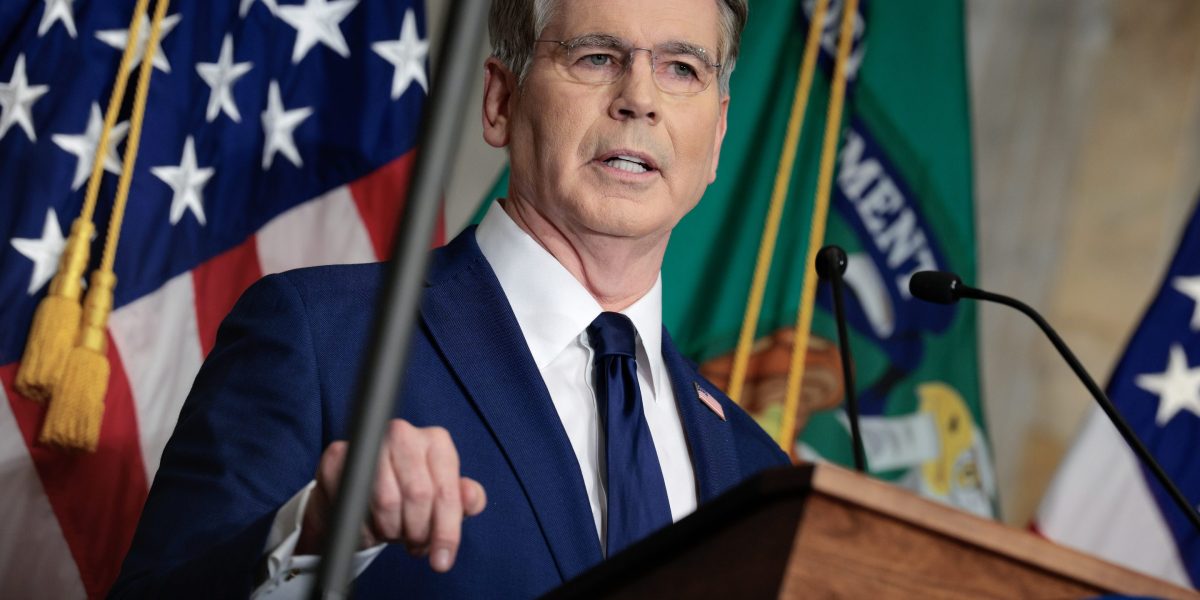
The Fed gathers on June 16-17 for the first meeting to be overseen by the new Chairman Kevin Warsh, who was previously a Fed governor from 2006 to 2011. Officials are widely expected to keep borrowing costs steady, but the outlook is less clear.
On the heels of a stronger-than-expected jobs report, US inflation rose in May at the fastest pace in more than three years. If those price pressures persist, policymakers may have to consider raising rates.
Officials will scrutinise an array of data, including consumer spending. Shoppers in the US have proved resilient, though with prices now rising faster than wages, they're coming under increasing pressure.
In Canada, retail sales data for April and a flash estimate for May are likely to show headline growth, driven by higher gasoline prices. The question is whether spending in other categories also increased. Consumers in March mostly pulled back as rising energy costs absorbed a larger share of budgets.
Meanwhile, existing home sales for May are likely to remain subdued. In contrast, manufacturing and wholesale sales are expected to have continued rising in April, supported by elevated oil prices.












 English (US) ·
  French (CA) ·
  French (FR) ·