

 3 hours ago
6
PROTECT YOURSELF with Orgo-Life® QUANTUM TECHNOLOGY
Orgo-Life the new way to the future Advertising by AdpathwayISRAEL · ELECTION
Published Tuesday, 27 October, 7:13 p.m. ET · Source: Knesset, Basic Law: The Government, Central Elections Committee
Key Facts
- Seats Israel elects 120 lawmakers from one nationwide party list.
- Threshold A party needs at least 3.25 percent of valid votes to win seats.
- Majority A government needs the backing of 61 lawmakers, and no party has ever won that alone.
- Mandate The president picks one lawmaker to try, with 28 days and a possible 14-day extension.
One National List
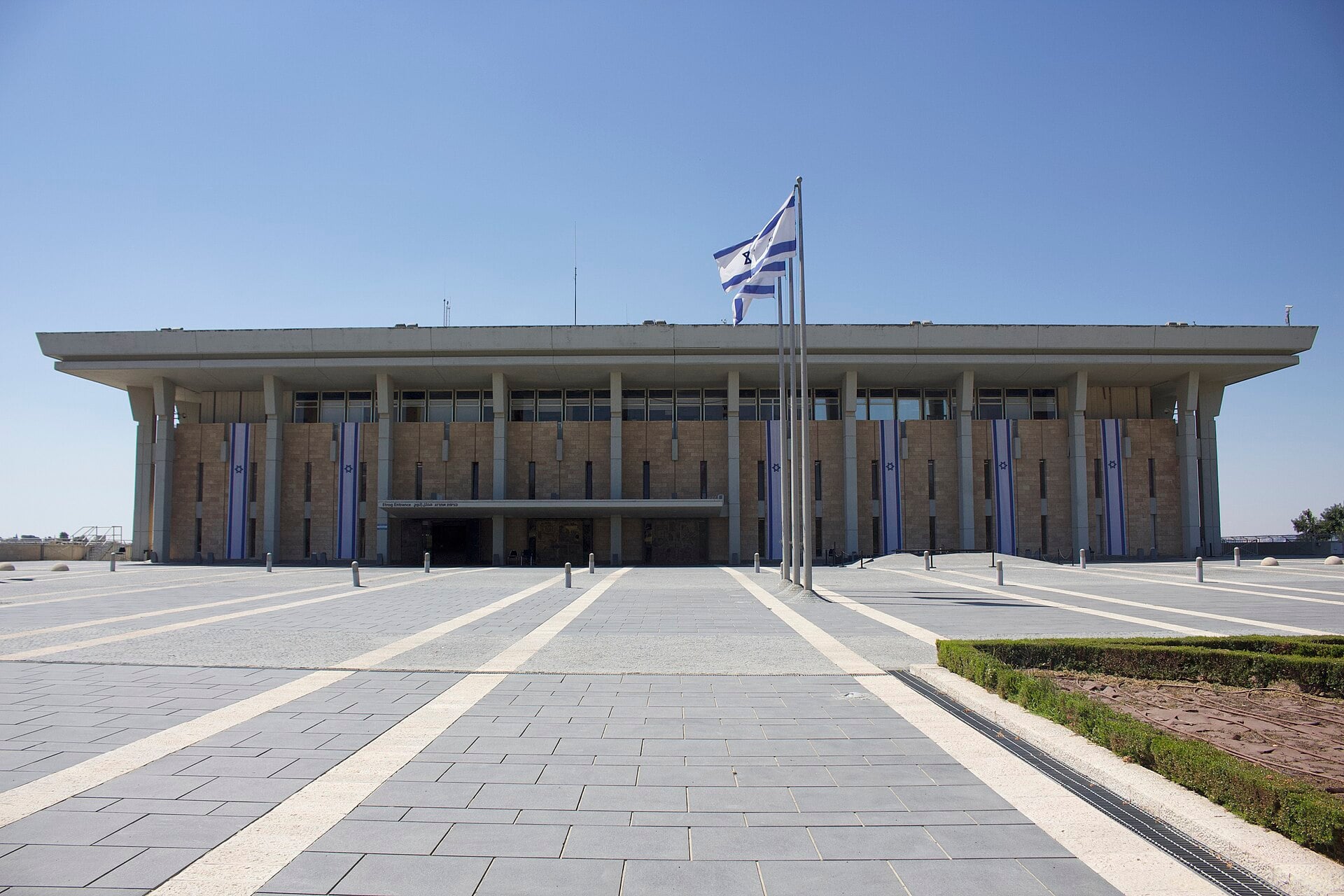
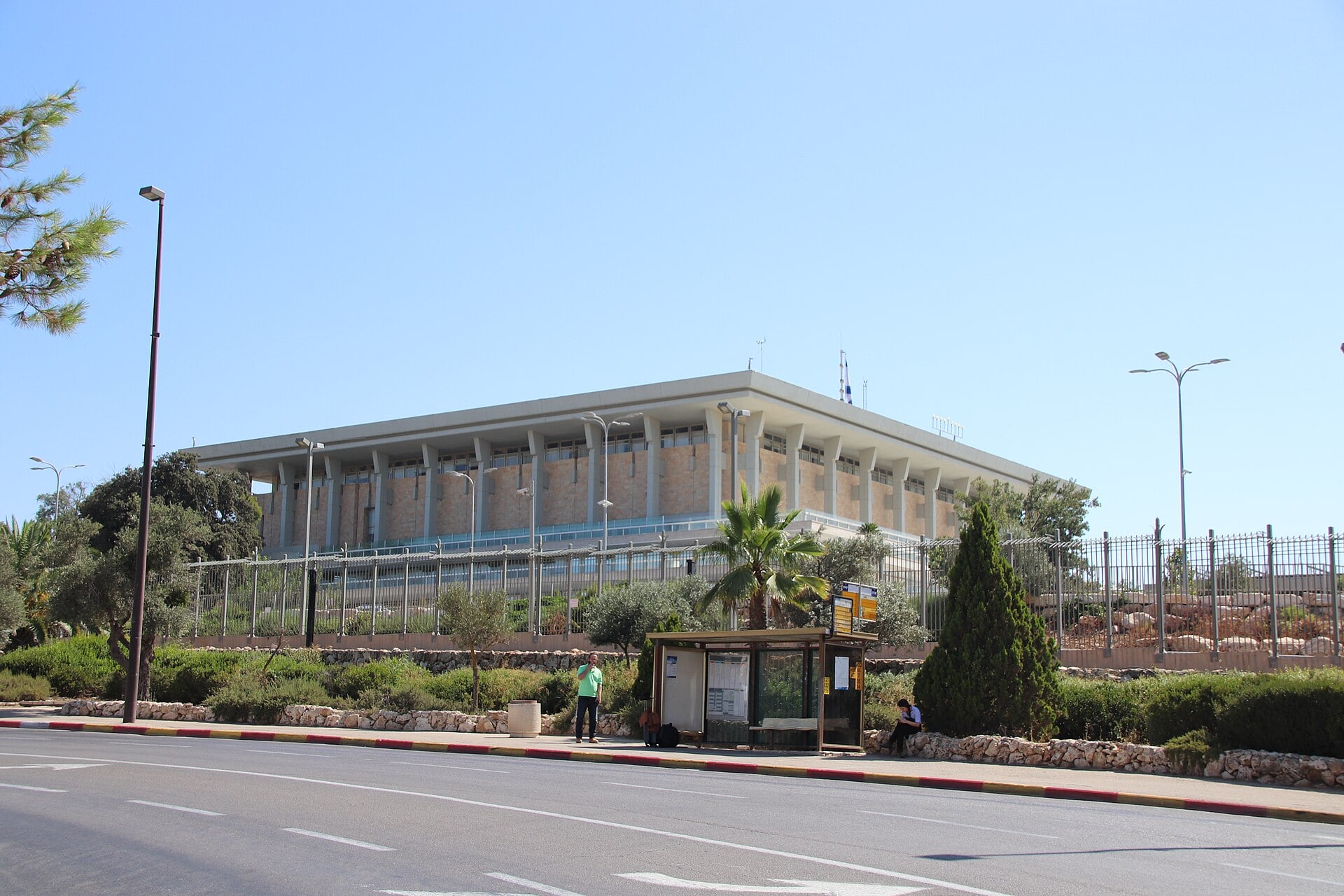
Israel elects its 120-member Knesset in a single nationwide contest, and voters choose a party list instead of a local candidate. Seats are shared out in proportion to each party’s votes.
Only parties that win at least 3.25 percent of valid votes enter parliament, which keeps tiny parties out but still leaves a crowded field.
Follow this story
Get an email when there’s news on Israel Elections 2026
Free. One email a day at most, and only when there is news. This also signs you up to our weekday newsletter, The LatAm Brief. Nothing arrives until you click the confirmation link, and you can stop either with one click. Privacy policy.
Why Nobody Wins a Majority
No party has ever won 61 seats on its own, so every Israeli government is a coalition of several parties. The bargaining after the vote matters as much as the vote itself.
Small parties therefore hold real power, because a few seats can decide whether a bloc reaches 61. That is why coalition talks often run for weeks.
The President and the Mandate
After the official results, the president of Israel consults every party and gives one lawmaker the task of forming a government. That person is the one judged most likely to command 61 votes, not automatically the leader of the largest party.
The candidate has 28 days, and the president can add up to 14 more. If the attempt fails, another lawmaker can receive the mandate, and if all attempts fail the Knesset is dissolved and the country votes again.
Caretaker Rule and Repeat Elections
While talks go on, the outgoing government stays in office as a caretaker with limited powers. Israel went to the polls five times between April 2019 and November 2022 after repeated deadlocks.
That history is why analysts treat a split result as a real risk of another election. The vote of 27 October is the latest test, as we report in our results report.
Why It Matters
The US system gives one winner a clear mandate, while Israel’s gives a negotiation. That is why a close Israeli result can leave an ally without a settled government for weeks, with consequences for policy on Gaza, Iran and trade.
All our coverage sits in our Israel election dossier.
What It Means for You
For US readers, the number to watch is 61, not the share of the vote. The party with the most seats does not always lead the government.
Investors should expect headlines about coalition talks rather than a quick policy signal, and caretaker governments rarely start major reforms.
What Is Not Known
It is not known how the final seat count will differ from the exit polls, or which smaller parties will decide the outcome. The timetable of the president’s consultations has not been announced.
It is also not known whether any party will cross the usual political lines to join a coalition. That can only be judged once official results are published.
Frequently Asked Questions
How many seats are in the Knesset?
The Knesset has 120 seats, so a government needs the support of at least 61 lawmakers.
Does the biggest party always form the government?
No. The president gives the mandate to the lawmaker judged most likely to assemble 61 votes, who may lead a smaller party.
What happens if coalition talks fail?
Another lawmaker can be given the mandate, and if every attempt fails the Knesset is dissolved and a new election is held.
Sources: Knesset, Basic Law: The Government, Central Elections Committee.
More: Brazil news, every day from The Rio Times.
This article was produced by The Rio Times’ automated newsroom system. How we use AI · Report an error · Editorial responsibility: Matthias Camenzind, Editor-in-Chief
The Rio Times · Power Map
See who really holds power in Latin America
Click to open the Power Map →















 English (US) ·
 French (CA) ·
 French (FR) ·