

PROTECT YOURSELF with Orgo-Life® QUANTUM TECHNOLOGY
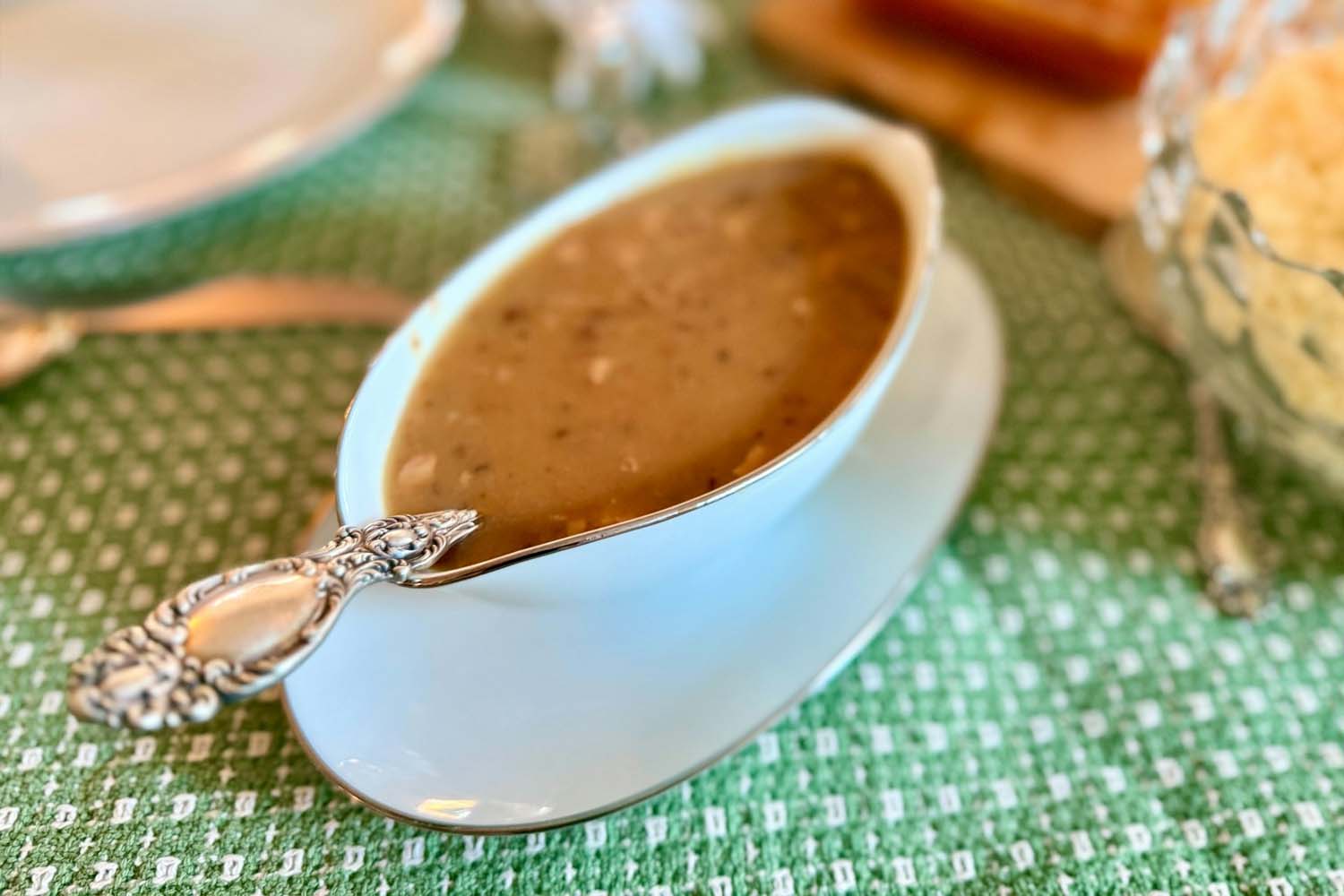
Orgo-Life the new way to the future Advertising by AdpathwayThe gravy boat was halfway across a crowded holiday table when it tipped. One slow, glossy ribbon of brown landed right on my cuff, and I did what everyone does: I grabbed a napkin and rubbed. All that did was push the gravy deeper into the fabric and leave a greasy gray halo around it.
Gravy can leave both an oily mark and leftover brown color, which is why it often takes more than one step. The good news is that the order of attack is well established, and it starts with resisting the urge to scrub.
Here is how to get gravy out of clothes, plus what to do for tablecloths, carpet, and upholstery when the holiday meal goes sideways.
Quick Answer: How to Get Gravy Out of Clothes
For washable clothes, gently lift off the excess gravy (never rub), then pretreat the stain with a prewash stain remover. Follow the product label, then launder in the hottest water the care label allows. If color remains, repeat the treatment or use a fabric-safe bleach according to its label. Inspect the garment while it is still wet, and keep it out of the dryer until the stain is gone. Take dry-clean-only items to a professional cleaner.
How I Researched This
This guide draws on the American Cleaning Institute’s holiday stains advice, the University of Georgia Extension’s gravy stain removal guide, Iowa State University Extension’s holiday laundry stains advice, and the Carpet and Rug Institute’s spot removal guidance for carpet. I did not run my own fabric tests, so there are no test results or success rates below. The step sequence is my practical summary of those sources, not a procedure any of them tested in this exact order. Always check the care label and test any treatment on a hidden spot first.
Why Gravy Stains Can Be Stubborn
Most stains come down to one main ingredient, like the pigment in red wine or the fat in grease. Gravy is more of a combination. Recipes vary, but a typical gravy has fat from drippings or butter, a starch thickener such as flour or cornstarch, meat juices or stock, and browned color from the drippings and seasonings. Some packaged gravies also contain added coloring.
The American Cleaning Institute groups gravy with other oil-based holiday stains like turkey, butter, and salad dressing. Its advice is simple: pretreat with a prewash stain remover, then launder in the hottest water that is safe for the fabric.
Iowa State University Extension describes a two-step approach for gravy. First treat the oily part of the stain, then treat the remaining color with a bleach that is safe for the fabric. University of Georgia Extension’s first apparel method is a pre-wash spot and stain remover followed by laundering, and it calls gravy a digestive stain, recommending a laundry pre-soak product for carpet.
Timing matters too. Iowa State says fresh stains are much easier to remove than those over 24 hours old, and that you should inspect wet laundry before drying, because the heat of drying makes a remaining stain more permanent.
Not All Gravy Stains Are the Same
Brown or turkey gravy: Fat plus brown color. Treat the greasy part first, then check for leftover color.
White or sausage gravy: Fat, starch, and dairy, usually with less color. The same label-directed pretreatment is a good starting point. If you cook it yourself, our guide to what to use instead of cornstarch covers thickeners.
Packet, canned, or jarred gravy: Ingredients vary, so check for remaining color after washing.
Gravy with pan bits, mushrooms, or onions: Small solids can sit on the surface, so lift them off carefully so you do not grind them into the fabric.
Dried-on gravy: Older stains can be harder to remove and may need repeated treatment. Gently scrape off the crust, then treat it like a fresh stain.
The Golden Rule: Act Fast, and Treat the Grease Before the Color
Lift off as much gravy as you can without pressing it in. Rubbing spreads the fat outward and works the starch and color into the weave.
After that, follow Iowa State’s order: the oily part first, the color second. Bleach is for leftover color, so save it for the end.
1
Step 1: Lift Off the Excess Gravy
Use the back of a spoon, a butter knife, or the edge of a card to lift off the excess. Lift, do not smear. Blot any liquid with a clean white cloth or paper towel. A quick cool-water rinse from the back is optional at this stage, but do not let it replace the pretreatment that follows.
Verdict: Removes the bulk of the spill so the treatment can reach the stain.
2
Step 2: Pretreat With a Prewash Stain Remover
Both the American Cleaning Institute and the University of Georgia start with a pre-wash stain remover. Apply one that is suitable for the fabric, follow the product directions for how long to leave it, and then move on to laundering. Some laundry products contain enzymes that act on different parts of food stains: protease on proteins, amylase on starch, and lipase on fats. Formulations vary, so check the label.
If you prefer another route, Iowa State’s version is to rub in heavy-duty liquid detergent. Liquid dish soap is a common alternative for the greasy part on suitable washable fabrics, but that is my adaptation, not something these sources specifically recommend. See things you should never clean with dish soap before using it on anything delicate.
Verdict: The core treatment for washable clothes. Use one pretreatment product at a time, and follow its label.
3
Step 3: Launder in the Hottest Water the Fabric Allows
For oil-based stains like gravy, the American Cleaning Institute recommends laundering in the hottest water that is safe for the fabric. Iowa State similarly says to wash in water as hot as the fabric allows. Your care label decides the limit, so when in doubt, use a cooler setting.
Then inspect the garment while it is still wet and in good light. If any stain is still visible, do not use the dryer, and treat it again.
Verdict: The wash is part of the treatment, not just the finish. Never dry a gravy stain that has not been checked.
4
Step 4: Treat Leftover Brown Color With a Fabric-Safe Bleach
If color remains after pretreating and washing, Iowa State’s second step is an all-fabric bleach diluted according to the package directions, and UGA’s gravy page calls for a warm-water soak with sodium perborate bleach. Modern oxygen bleach products have their own directions, so follow the label on whatever you buy, and use it only if the fabric’s care label allows bleach.
Test a hidden spot for colorfastness first. Do not use bleach on silk or wool unless both the product and the care label explicitly permit it.
Verdict: A finishing step for leftover color, not a replacement for pretreating the grease.
Pro Tip for Tough Stains
Keep an enzyme-based stain remover and some oxygen bleach powder in the laundry room before the holiday season (affiliate links). I did not test either one for this guide, so follow the product labels for timing and fabric safety, and check the stain before drying.
Which Step for Which Situation
| Fresh gravy on washable clothes | Steps 1, 2, and 3, then inspect wet |
| Brown color left after washing | Step 4, if the fabric and care label allow it, before drying |
| Dried-on or older gravy | Scrape off the crust, then Steps 2 and 3, repeating if needed |
| Silk, wool, or dry clean only | Lift off the excess and see a professional cleaner |
| Carpet or upholstery | See the carpet and upholstery sections below |
Fabric Matters More Than You Think
Whatever the fabric, check the care label first and test any product on a hidden spot.
Cotton, linen, and polyester: Steps 1 through 3 are generally reasonable starting points for washable items, subject to the care label and a spot test. Linen tablecloths and napkins are absorbent, so treat them promptly.
Dark and colored fabrics: Test any pretreatment or bleach on a hidden seam before using it on the stain.
Silk and wool: Lift off the excess without rubbing. Enzyme products and bleaches can damage protein fibers like silk and wool, so skip them unless the product and care label both allow it, and take the garment to a professional cleaner.
Dry clean only: Gently lift or blot away the excess gravy without rubbing, and take the garment to a professional cleaner as soon as possible. Tell the cleaner what caused the stain and which products, if any, you have already used. Avoid experimenting with solvents or ammonia at home.
Holiday tablecloths and napkins: Pretreat them before they go in the hamper, because Iowa State notes that fresh stains are much easier than those over 24 hours old.
Carpet: Use carpet-specific guidance rather than laundry advice. The Carpet and Rug Institute says to spoon up semi-solids, blot, and pretest any solution in an inconspicuous area. For a cleaning solution, it specifies 1/4 teaspoon of liquid dish washing detergent per cup of lukewarm water, never a stronger mix. It also says never to use a laundry detergent of any type on carpet, because those may contain optical brighteners that dye the fiber. Work a small amount into a white cloth from the edges of the spill toward the center without rubbing, then rinse several times with lukewarm water and blot dry, since leftover residue can attract soil. UGA’s carpet steps for gravy use a laundry pre-soak product, but because of the carpet industry’s warning I would follow your carpet manufacturer’s instructions first, and call a professional for stubborn spills. For general blotting technique, see our guide to getting red wine out of carpet.
Upholstery: Lift off the excess gravy, then check the furniture’s cleaning code and the manufacturer’s instructions before applying anything. Common codes are W for water-based cleaners, S for solvent-based cleaners, WS for either, and X for vacuuming or light brushing only, with no liquid cleaners. Use only a treatment approved for that fabric, test a hidden area first, and avoid overwetting, which UGA warns can leave a ring on some upholstery finishes. If you cannot find a code or the fabric is delicate, contact a professional cleaner.
Warning: Never Do These Things
See also

These common mistakes can make a gravy stain harder to remove:
- Don’t rub or scrub the fresh spill – It spreads the fat and works color and starch into the fabric.
- Don’t put it in the dryer until the stain is completely gone. Heat from drying can make a stain more permanent.
- Don’t use laundry products on carpet or upholstery without checking the manufacturer’s instructions and cleaning code.
- Don’t mix cleaners – Never combine ammonia with chlorine bleach, and follow every product label.
What Doesn’t Help
Choosing the water temperature without checking the label: For laundering oil-based stains, the American Cleaning Institute recommends the hottest water that is safe for the fabric, so check the care label rather than defaulting to cold.
Going straight to bleach: Iowa State’s order is the oily part first and the color second, so treat bleach as a finishing step.
Rubbing with a napkin: It feels productive, but it spreads the stain.
Beyond Clothes: Gravy in Containers and Leftovers
Gravy loves to hang around in plastic. For leftover gravy in food containers, see how to get stains out of Tupperware and how to remove tomato stains from plastic containers. And since holiday leftovers are part of the story, we cover how long leftovers last and why it is bad to reheat food twice.
If the meal is still ahead of you, our Thanksgiving home cleaning checklist is a good prep guide.
Gravy Stain FAQ
Does gravy stain clothes permanently?
Gravy often comes out when it is treated promptly, but a stain can become more permanent if the garment goes in the dryer before the stain is gone. Pretreat it, launder, and inspect it wet before drying.
Can you get gravy out of clothes with just detergent?
A small, fresh spill may come out in the wash, but the American Cleaning Institute recommends pretreating oil-based stains like gravy with a prewash stain remover before laundering. Check the label of whatever product you use.
Should I use hot or cold water on a gravy stain?
After pretreating, the American Cleaning Institute recommends laundering gravy stains in the hottest water that is safe for the fabric. Check the care label first, and use cooler water if it says to.
Can you remove dried gravy from fabric?
Often, but older stains can be harder to remove and may need repeated treatment. Gently scrape off the dried crust, then follow the same pretreat and launder steps.
Do I need bleach to get gravy out of a white shirt?
Not always. If brown color remains after pretreating and washing, a suitable bleach may help on washable fabrics, but check the product label and the garment’s care label first.
How do I get gravy out of a tablecloth?
Lift off the excess, pretreat with a prewash stain remover, launder in the hottest water the care label allows, and inspect it wet before drying.
How do I get gravy out of carpet or upholstery?
Lift off the excess and blot, then follow the carpet manufacturer’s instructions or, for upholstery, the furniture’s cleaning code. Test any cleaner on a hidden spot, avoid overwetting, and call a professional for stubborn stains.
Final Thoughts
Gravy is a two-part stain, so it helps to work in two parts: lift off the excess, pretreat the stain, wash in the hottest water the fabric allows, and only then worry about leftover color. Keep it out of the dryer until it is truly gone, and a gravy boat tipping at the wrong moment does not have to ruin a good shirt.
Have you rescued a favorite shirt or tablecloth from a gravy disaster? I’d love to hear what worked for you – drop a comment below and share it.

Better Living may earn commissions through affiliate links and may occasionally feature sponsored or partner content. If you make a purchase through our links, we may receive a small commission at no cost to you.





















 English (US) ·
 French (CA) ·
 French (FR) ·