

 4 hours ago
6
PROTECT YOURSELF with Orgo-Life® QUANTUM TECHNOLOGY
Orgo-Life the new way to the future Advertising by Adpathway
KENYA · COURTS
Key Facts
- —The country Kenya is a major East African economy, a mostly Christian country and a popular safari and beach destination for Americans.
- —What happened On Monday 19 October 2026, the High Court in Mombasa convicted preacher Paul Mackenzie and 28 others in the Shakahola cult murders.
- —The victims 190 of the 191 victims were children, all under 16. Kenyan outlets put the bodies recovered from Shakahola forest at 429.
- —The Bible The judge ruled that verses used to ban school and hospitals were misread, and that scripture gives no basis for fasting to death.
- —The warning signs Mackenzie was charged in 2017 and a court forum raised alarm in 2019, yet followers kept moving into the forest.
- —What comes next Probation reports are due on Friday 30 October, and sentencing is set for Friday 6 November.
- —Still open The sentences, any appeal, and whether Kenya will tighten rules for religious groups.
A Kenyan court on Monday 19 October convicted preacher Paul Mackenzie and 28 followers of the Shakahola cult murders. Justice Diana Kavedza found all 29 guilty on 191 counts of murder, and 190 of the victims were children who starved in a coastal forest.
For US readers the case tests where religious freedom ends and criminal liability begins, in a country that welcomes American tourists and investors. The judge read the ruling for more than nine hours in Mombasa, and sentencing is set for Friday 6 November.
What the Court Decided
Justice Kavedza of the High Court, which hears murder trials in Kenya, ruled that the accused acted together to run a fasting regime. She rejected the defence that the victims of the Shakahola cult murders, all under 16, had fasted to death by choice.
Religious explanations for the fast were “legally immaterial to the determination of mens rea”, the legal term for a guilty mind, the Nation reported. The court looked at what the accused intended, not at what they believed.
The judge found that children aged six to 10 could not grasp that death is permanent, so they could not consent to starving themselves. She said some may have believed that death could be reversed.
Witnesses testified that followers who resisted the fast were beaten, and that branches and thorns blocked access to homesteads. The judge also noted an attack on a witness who entered the forest with journalists on 23 March 2023.
Justice Kavedza stressed that church membership alone does not prove murder, and that each accused must have shared the intent. She found that the 29 now convicted met that test, while two of the 31 first charged died during the trial.
Follow this story
Get an email when there’s news on Kenya
Free. One email a day at most, and only when there is news. This also signs you up to our weekday newsletter, Africa Intelligence. Nothing arrives until you click the confirmation link, and you can stop either with one click. Privacy policy.
The Bible Verses the Judge Took Apart
The Nation reported that the judge gave an in-depth analysis of the Bible chapters Mackenzie used to win over his followers. She ruled that Ecclesiastes 12 and Timothy 6, which he cited against schooling, do not condemn education.
The court noted that Mackenzie told followers that doctors were witches and that medicine was made by Satan. He cited Jeremiah 17:5 and James 5:14 to say that believers should rely on prayer and anointing, not hospitals.
To justify fasting to death, the group pointed to Romans 12:1, which urges believers to offer their bodies as a living sacrifice. The judge held that Bible fasting is a spiritual discipline and called the practice “inconsistent with the biblical accounts upon which it purports to rely”.
Mackenzie called his followers the Wateule, or chosen ones, and cast everyone else as the Mataifa, outsiders he portrayed as agents of the Antichrist. That split let him cut family ties and move believers into the forest.
Warning Signs Authorities Missed
The Shakahola cult murders had roots in Good News International Ministries, which Mackenzie founded in 2003 and the Registrar of Societies registered in 2010. The church ran a television station, Times TV, in the coastal town of Malindi that spread his end-of-the-world message.
In May 2017, 43 children aged one to 13 were rescued from church premises at Mayungu, and Mackenzie was first charged that October. He was acquitted in the radicalisation case in October 2021.
In November 2019 a court users committee in Kilifi County, a local forum chaired by the presiding judge, discussed complaints about Mackenzie. The Judicial Service Commission, which oversees Kenya’s judges, has said it received no feedback on a proposal to deregister the church.
Followers began moving into Shakahola forest in 2019, and bodies were found in shallow graves from 20 March 2023. Kenyan court reporting puts the bodies recovered at 429, while the national human rights commission counted 448 deaths in a March 2024 report.
What Comes Next in Court
The judge ordered each convict to be assigned a probation officer, with reports due in court on Friday 30 October. The defence will then plead for leniency, and sentencing in the Shakahola cult murders case is set for Friday 6 November.
The state prosecutor, the Director of Public Prosecutions Renson Ingonga, attended the reading in person. Prosecutors argued that the accused acted on a common plan, and the court agreed.
Mackenzie also faces a terrorism trial at the Shanzu Law Courts, which opened on Tuesday 4 August with seven co-accused. That case concerns 52 deaths at a second site, Kwa Binzaro, and prosecutors plan to call about 60 witnesses.
What It Means for US Readers
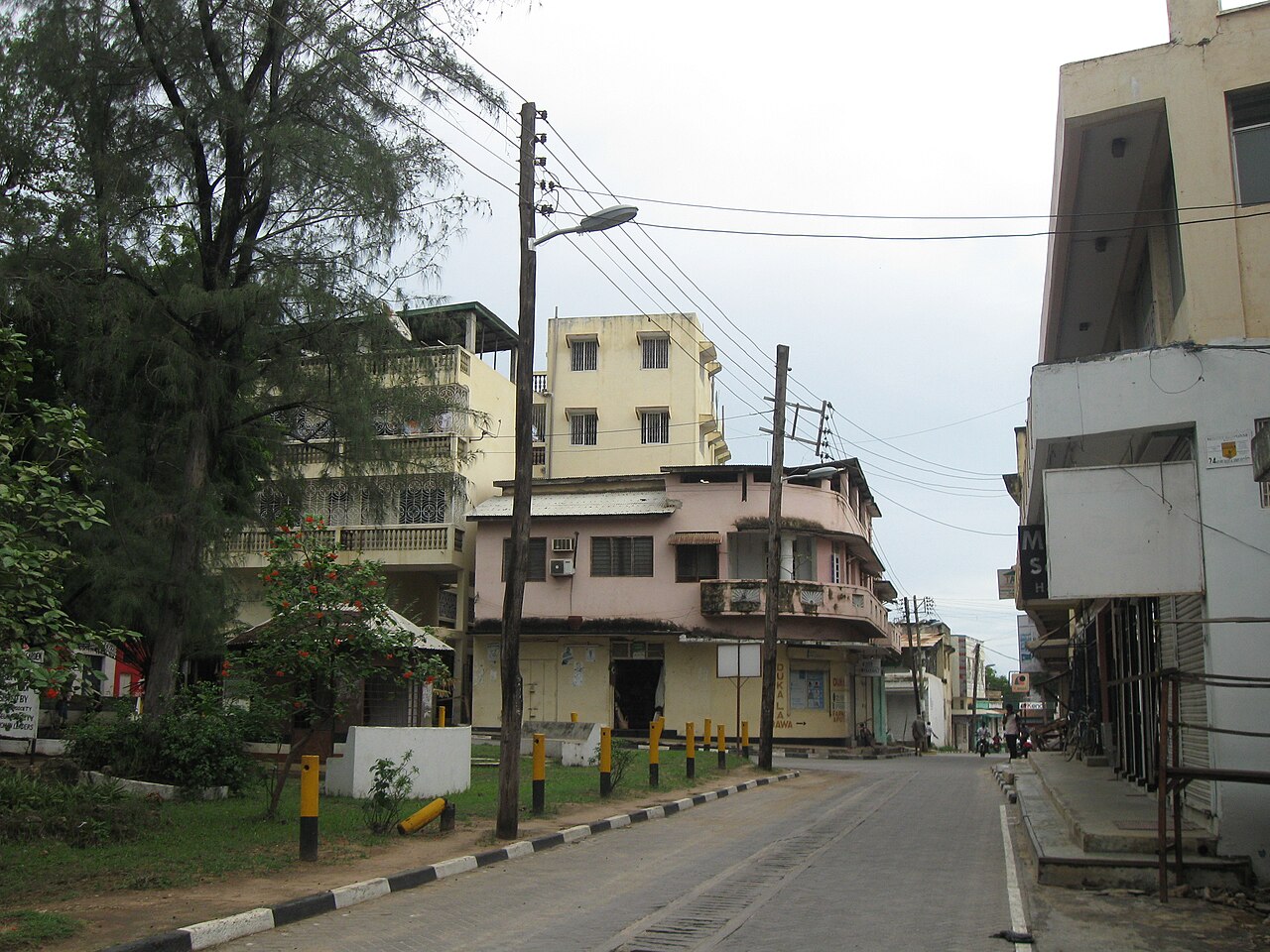
Shakahola lies in Kilifi County near Malindi on the Indian Ocean coast, a region many Americans visit. The Rio Times guide to safety in Kenya explains which areas carry travel warnings, and its explainer on religion in Kenya sets the context.
The Shakahola cult murders ruling draws a line US courts know: belief is protected, but directing followers to die can bring murder charges. The closest American parallel is the 1978 Jonestown deaths in Guyana, where more than 900 people died.
What Is Not Known
The court has not said what sentence the 29 convicts will receive, which the judge will decide on Friday 6 November. It is also open whether any of them will appeal.
Many victims of the Shakahola cult murders are still unidentified, and counts of the dead range from 429 to 448. Whether Kenya will pass new rules for religious groups, or review the officials who missed the warnings, has not been announced.
More: Kenya news in English, every day from The Rio Times.
Frequently Asked Questions
Who is Paul Mackenzie?
Paul Nthenge Mackenzie is a Kenyan preacher who founded Good News International Ministries in 2003. On 19 October 2026 the High Court convicted him of murder on 191 counts.
What happened at Shakahola?
Hundreds of followers, many of them children, starved in Shakahola forest after being told that fasting would bring them to Jesus. Bodies were found in shallow graves from 20 March 2023.
How many people were convicted of the Shakahola cult murders?
The High Court convicted 29 people, including Mackenzie, of the Shakahola cult murders on all 191 counts. Two of the 31 people first charged died during the trial.
When will the convicts be sentenced?
Sentencing is set for Friday 6 November 2026, after probation reports are presented on Friday 30 October. The court has not said what the sentences will be.
Does the verdict make religious belief a crime in Kenya?
No. The judge ruled that religious explanations are legally immaterial to whether a person intended to cause death.
Sources: Daily Nation, 19 October 2026; Daily Nation, 19 October 2026; Daily Nation, 19 October 2026; Capital FM, 19 October 2026; The Star, 19 October 2026; Capital FM, 5 August 2026.
This article was produced by The Rio Times’ automated newsroom system. How we use AI · Report an error · Editorial responsibility: Matthias Camenzind, Editor-in-Chief














 English (US) ·
 French (CA) ·
 French (FR) ·