

.jpg) 12 hours ago
1
12 hours ago
1
PROTECT YOURSELF with Orgo-Life® QUANTUM TECHNOLOGY
Orgo-Life the new way to the future Advertising by AdpathwayWell, well, well, if it isn’t the consequences of my actions.
In a long-expected move, LIV Golf officially filed for bankruptcy protection Tuesday.
All signs had been pointing this direction for months as it became apparent any remaining funds from the Saudi Arabia Public Investment Fund had dried up and LIV could no longer satisfy all the extravagant contractual commitments it made while the PIF was blindly bankrolling the operation.
There is really no surprise here. LIV had been telegraphing this move for months and the fact the league didn’t finish its 2026 schedule was only further indication of how dire its cash flow situation had become.
It now needs the bankruptcy in order to restructure its business and survive.
But I do want to pause on this moment because the irony is biting: LIV once had all the money they could ask for and now they are declaring bankruptcy (I was hoping LIV CEO Scott O’Neil would pull a Michael Scott and shout, “I declare bankruptcy!” but that was wishful thinking).
How did we get here?
You know this answer but it’s worth repeating.
LIV reportedly accumulated roughly $5 billion in net operating losses over the past five years: a lot of money going out and little corporate sponsorship coming back in to justify the exorbitant expenses.
That’s a lot of cringey champagne sprays on the winner’s podium.
Obviously, spending money at will only works as long as the money is flowing in from someone foolish enough to invest in a bad product. Once the financial support was taken away, it confirmed that the league’s original business model was never remotely sustainable.
The league handed out egregious guaranteed contracts, offered tournament purses dwarfing those of the PGA Tour and constructed a worldwide schedule without producing enough commercial revenue to support any of it—all for a limited audience.
What did they think was going to happen? It was always going to end this way.
What happens next?
The league has already substantially reduced its workforce as it continues to search for outside investment. Private-equity firm BC Partners has pledged a deal that could finance a smaller operation—known on the streets as “LIV 2.0”—but the bankruptcy process is intended to shed financial obligations before any investment is completed. The investment will also be dependent on retaining player talent.
As for those players, some have an easier decision than others. Some could depart for the DP World Tour or Asian Tour while others have a more complicated path because of their contract situation.
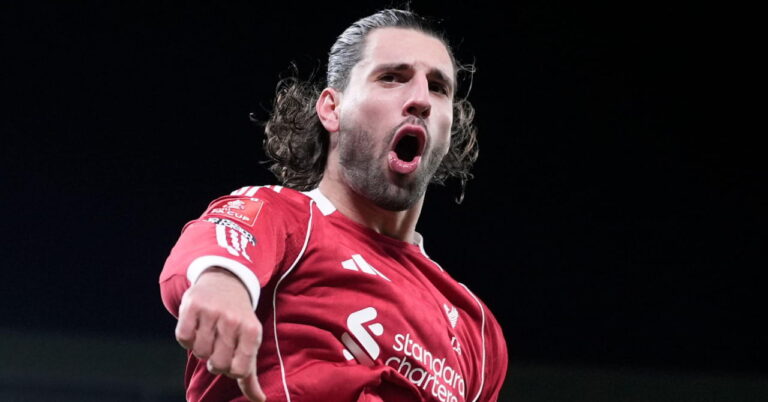
Several golfers are owed millions in guaranteed compensation and were offered settlements worth pennies on the dollar. Jon Rahm reportedly has more than $100 million remaining on his future contract and $7.5 million currently owed to him. The exact terms of these agreements are private but bankruptcy could allow LIV to reject or renegotiate costly contracts and leave players pursuing claims as unsecured creditors.
That’s bankruptcy court’s music!
Rahm, a guy who I believe has sullied his competitive golf reputation by getting caught up in this nonsense, has remained stoic and cryptic.
“There’s just a lot of things in place. There’s a lot of things that could happen. It’s one of those things with time, time’s going to tell,” Rahm said Tuesday to BBC Northern Ireland.
“I still have a contract with LIV 1.0 that I’m more than willing to fulfill. Like I said, time will tell.”
Rahm is a critical piece to any future LIV might have. Solving his contract is among the biggest dilemmas LIV has, given that there are multiple years remaining on it and Rahm is their second-biggest player after Bryson DeChambeau.
Multiple vendors have also filed lawsuits seeking payment for services provided to the league. Two weeks ago, I talked to Fresh Tape Media in an interview where they detailed their lawsuit against LIV for $1.2 million in unpaid services.
Those companies could now find themselves fighting alongside players and other creditors over whatever money is available.
Chapter 11 is obviously meant to reorganize a business rather than immediately liquidate it so LIV could still stage a 2027 season. LIV has proposed a 10-event schedule (half of the events in the U.S. and half internationally) with substantially smaller purses.
But it’s abundantly clear that the new version of LIV would bear little resemblance to the league that once promised to permanently remake professional golf.
A possible sequence of events for what could happen next
The most likely outcome is that LIV survives as a shell of its former self.
Here is what the short-term future of the league could look like.
1. Bankruptcy court steps in
LIV will continue operating as the “debtor in possession” but major financial decisions will require court approval. Most existing lawsuits and collection efforts against LIV will be paused.
2. LIV gets temporary operating money
Saudi Arabia’s Public Investment Fund is expected to provide approximately $50 million in bankruptcy financing, according to the Financial Times. That should fund the restructuring but it is decidedly not a return to the unlimited Saudi backing LIV used to have.
3. BC Partners could then invest
LIV has reached a restructuring agreement with an affiliate of BC Partners which could invest up to $300 million. The proposed structure would make the players majority owners of the reorganized league although the court and creditors still have to approve the transaction.
4. Player contracts are fought over
LIV listed 14 players among its 30 largest creditors. The filing lists $100 million to $500 million in assets against $500 million to $1 billion in liabilities. LIV can ask the court for permission to retain, renegotiate or reject existing contracts. Players whose deals are rejected could become unsecured creditors and recover only a portion of what they were promised. Each contract’s treatment must be resolved through settlements, court rulings or the eventual restructuring plan.
5. LIV 2.0 could return in 2027
The proposed “LIV 2.0” reportedly includes a 75-player field, 54-hole cuts, nationality-based teams, fewer tournaments and sharply reduced purses. None of that is guaranteed until the financing, player commitments and court process are completed.
6. Players who don’t stay with LIV could try to come back to the PGA Tour (but it will take some time)
Even golfers released from LIV contracts would still need PGA Tour eligibility. Suspensions (at least a year in most cases), reinstatement rules and possible financial penalties cloud the process to return.
Sean’s closing thoughts
LIV sold players on guaranteed money and financial security. Those same players are now discovering that a contract is only as valuable as the company responsible for honoring it.
Sure, a lot of players got cash up front—but this is the back-end consequence of doing that type of business.
I think a lot of times when I write about LIV, people misconstrue what I am saying. LIV had a massive impact on the golf landscape. It dramatically increased player compensation and forced the PGA Tour to overhaul its structure. And there was some real value in there, mostly in terms of forcing the Tour to innovate.
But being a successful disruptor doesn’t mean you were successful.
That may ultimately become its legacy: LIV changed almost everything about golf except the public’s willingness to care about LIV.
The bankruptcy isn’t an official end but, my oh my, it’s symbolic of this whole debacle.
















 English (US) ·
  French (CA) ·
  French (FR) ·