

 1 month ago
85
1 month ago
85
PROTECT YOURSELF with Orgo-Life® QUANTUM TECHNOLOGY
Orgo-Life the new way to the future Advertising by AdpathwayMarkets
Key Facts
—The sales. Revenue rose about 19% year on year to roughly US$1.5 billion, lifted by an acquisition and higher aluminum prices.
—The cash flow. Operating cash flow (EBITDA) slipped 6% to about US$171 million.
—The bottom line. Nemak narrowed its net loss to about US$13 million, from a US$24 million loss a year earlier.
—The deal. Growth was powered by the February 2026 purchase of Georg Fischer Casting Solutions.
—The drag. One-off costs and currency swings in North America held margins back.
Nemak sold a lot more metal last quarter, it just did not keep as much of the money. In its Nemak second quarter report, the Mexican auto-parts maker grew revenue sharply but saw profitability squeezed by one-time costs and a weaker North American currency picture.
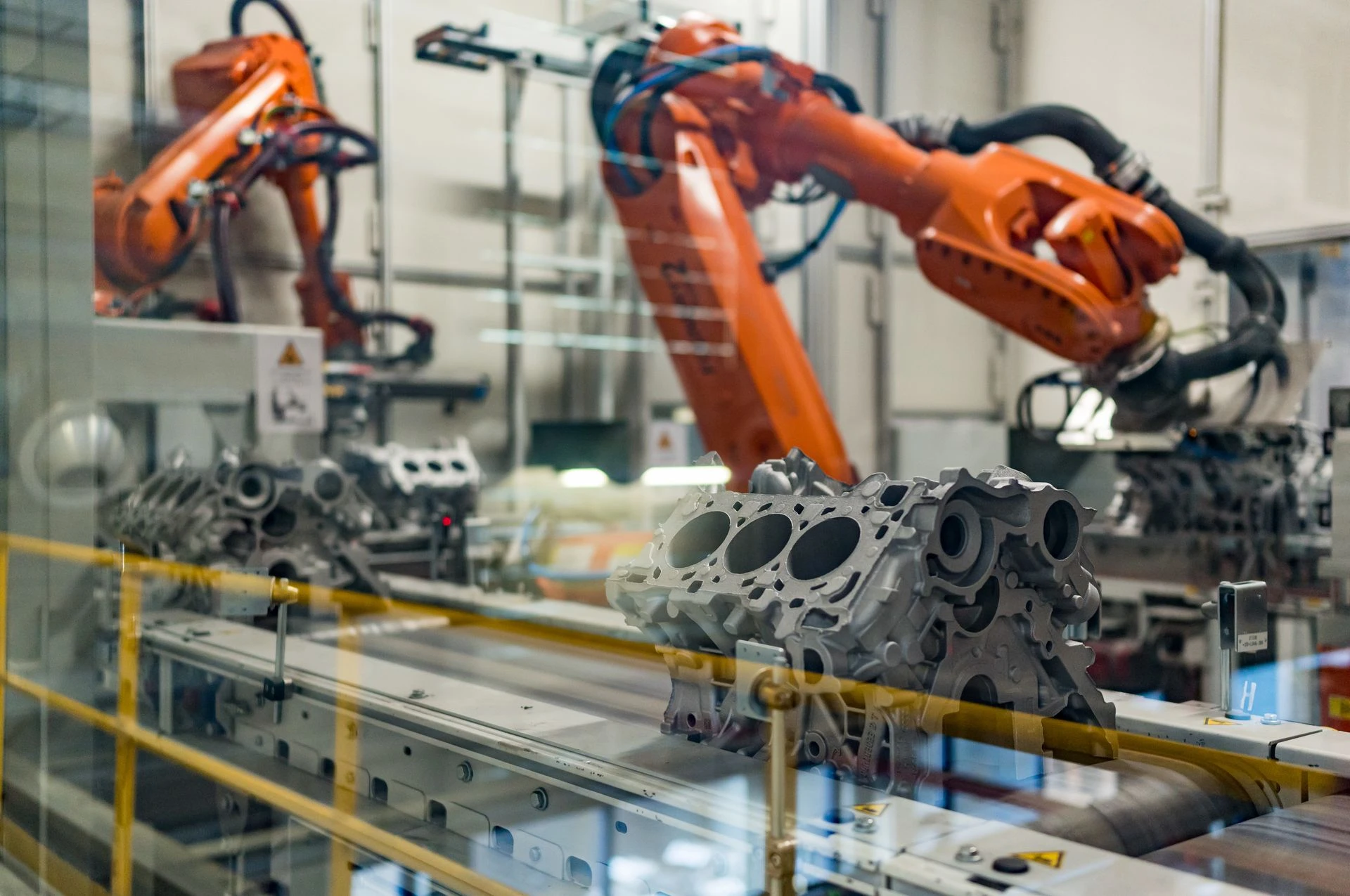
Nemak, based in Monterrey, is one of the world’s largest makers of aluminum components for cars and trucks, from engine blocks and cylinder heads to lightweight structural and electric-vehicle parts.
It was spun out of the industrial group Alfa and now trades on Mexico’s stock exchange on its own. Because it reports in US dollars and sells to carmakers worldwide, its results are a useful read on the global auto industry.
For a foreign reader, it helps to understand that a company like Nemak sits at the intersection of heavy industry and the energy transition. Every major automaker is racing to shed vehicle weight to meet tighter emissions rules, and aluminum is one of the main materials they turn to.
That makes Nemak’s order book a quiet signal of where car production is heading, especially for electric vehicles, which use even more aluminum-intensive parts to offset battery weight.
Inside the Nemak Second Quarter
Revenue climbed about 19% from a year earlier to roughly US$1.5 billion, up from around US$1.27 billion. Two forces did the lifting: a recent acquisition and higher aluminum prices.
Operating cash flow, or EBITDA, went the other way, easing about 6% to some US$171 million, on extraordinary one-off costs and unfavorable currency movements in North America.
The net result was still a loss, but a smaller one: Nemak trimmed its net loss to about US$13 million, from roughly US$24 million a year earlier.
EBITDA is a widely watched yardstick because it strips out interest, taxes, depreciation and amortization, giving a cleaner look at the cash a business generates from its day-to-day operations before financing and accounting choices cloud the picture. When EBITDA falls while revenue rises, it often points to temporary friction rather than a broken business model.
The Georg Fischer Effect
The single biggest driver of the sales jump was the February 2026 acquisition of Georg Fischer Casting Solutions, a European casting business Nemak folded into its operations.
Deals like that quickly enlarge revenue, but they also bring integration and restructuring costs that weigh on profit in the first few quarters, part of why EBITDA fell even as sales surged.
In plain terms, when one company buys another it rarely plugs in seamlessly from day one. There are often overlapping roles, different factory systems to unify, and contracts to renegotiate.
Those one-off charges show up as a drag on reported profit even though they are not expected to repeat. The market’s question is always how quickly management can move past the integration phase and start harvesting the savings and cross-selling opportunities that justified the deal in the first place.
Why the Margins Slipped
Beyond one-off costs, currency was the other headwind. A chunk of Nemak’s costs sit in North America, and swings between the dollar and the peso can eat into reported margins even when the underlying business is steady.
Higher aluminum prices cut both ways too: they lift revenue, but unless every cent is passed through they can compress the spread between what Nemak pays for metal and what it charges.
This is a classic tension for manufacturers that sit in the middle of a supply chain. They buy raw materials at market prices but sell finished components on contracts that may have been priced months earlier.
When aluminum rallies quickly, the lag between input cost and customer price can temporarily squeeze the gross margin, a dynamic that tends to normalize over subsequent quarters as contracts reset.
What It Means
For investors, the quarter is a bet on timing: the acquisition has already added sales, and the promise is that profitability catches up once integration costs fade.
For Mexico, Nemak is a reminder of how deeply the country is wired into the global car supply chain, and how sensitive that link is to metal prices and the exchange rate.
Zooming out, the report also lands at a moment when global automakers are navigating an uneven electric-vehicle rollout, trade-policy uncertainty, and shifting consumer demand across regions. Because Nemak supplies so many of those automakers, its quarterly numbers offer a ground-level view of whether production schedules are accelerating or tapping the brakes.
The revenue jump suggests volumes are holding up, but the margin squeeze hints that the operating environment remains bumpy.
What to watch next is whether the integration costs tied to the Georg Fischer deal taper off in the second half of the year, and whether aluminum prices stabilize enough to let Nemak’s contract pass-through mechanisms catch up. Another open question is how North American currency moves evolve, since further peso strength against the dollar would keep pressure on the cost side of the ledger.
Finally, any fresh signals from major customers about their own production targets will help clarify whether the top-line momentum can be sustained without further margin erosion.
Frequently Asked Questions
How did Nemak perform in the second quarter of 2026?
Revenue rose about 19% to roughly US$1.5 billion, while EBITDA slipped about 6% to around US$171 million. Nemak narrowed its net loss to about US$13 million from about US$24 million a year earlier.
Why did Nemak’s profit fall even though sales rose?
Sales were lifted by an acquisition and higher aluminum prices, but extraordinary one-off costs and unfavorable currency movements in North America squeezed margins.
What did Nemak acquire?
Nemak completed the purchase of Georg Fischer Casting Solutions in February 2026, a European casting business that enlarged its revenue and expanded its EV exposure.
Sources
- MarketScreener – Nemak reports Q2 and H1 2026 results
- Seeking Alpha – Nemak (NMAKF) Q2 2026 earnings call
Connected Coverage
- Nemak S. A. B. de C. V
- Brazilian Planemaker Embraer Posts $32.1 Billion Backlog as Finnair Picks E195-E2
- Mexico Markets: IPC & the Peso — July 23, 2026
LatAm Markets: Live Signals → — real-time movers, turnover leaders and FX across Latin America.
The Rio Times · Power Map
See who really holds power in Latin America
Click to open the Power Map →





















 English (US) ·
  French (CA) ·
  French (FR) ·