

PROTECT YOURSELF with Orgo-Life® QUANTUM TECHNOLOGY
Orgo-Life the new way to the future Advertising by Adpathway
Patrice Lumumba was killed in 1961.
Dominique Berretty/Gamma-Rapho via Getty Images
- Former Belgian diplomat Etienne Davignon was ordered to stand trial for his role in the killing of Patrice Lumumba.
- Lumumba was the first prime minister of the DRC after independence in 1960.
- Lumumba’s relatives have maintained the time is ripe for a long-overdue legal reckoning.
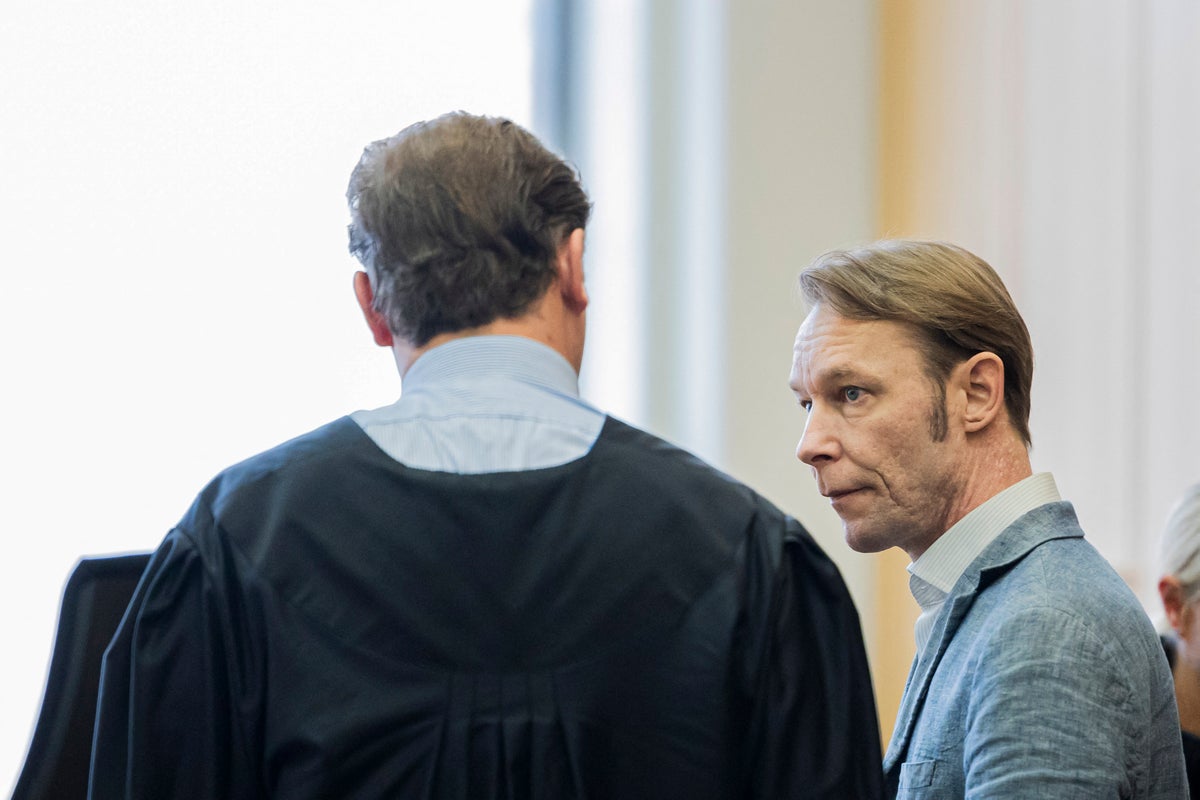
A 93-year-old former Belgian diplomat was ordered on Tuesday to stand trial for participation in “war crimes” over his role leading up to the 1961 killing of Congolese independence icon Patrice Lumumba.
Etienne Davignon, a one-time European commissioner, is the only person still alive among 10 Belgians accused by the Congolese leader’s family of complicity in his murder.
The former Congolese prime minister’s grandson, Mehdi Lumumba, welcomed the court decision - which can still be appealed - as a “historic” step toward confronting the country’s colonial past.
“We are all relieved,” he told AFP.
“Belgium is finally confronting its history.”
“Justice must be done,” said Blandine Lumumba, the late leader’s daughter-in-law, who likewise travelled to Brussels for the ruling.
READ | IMF gives R2.8bn to DRC government days before elections
She added:
This crime changed not only the fate of one family but of an entire nation.
If the trial goes ahead, Davignon would be the first Belgian official to face justice in the 65 years since Lumumba was executed and his body dissolved in acid.
A fiery critic of Belgium’s colonial rule, Lumumba became his country’s first prime minister after it gained independence in 1960.
But he fell out with the former colonial power and with the United States and was ousted in a coup a few months after taking office.
He was executed on 17 January 1961, aged just 35, in the southern region of Katanga, with the aid of Belgian mercenaries.
His body was never recovered.
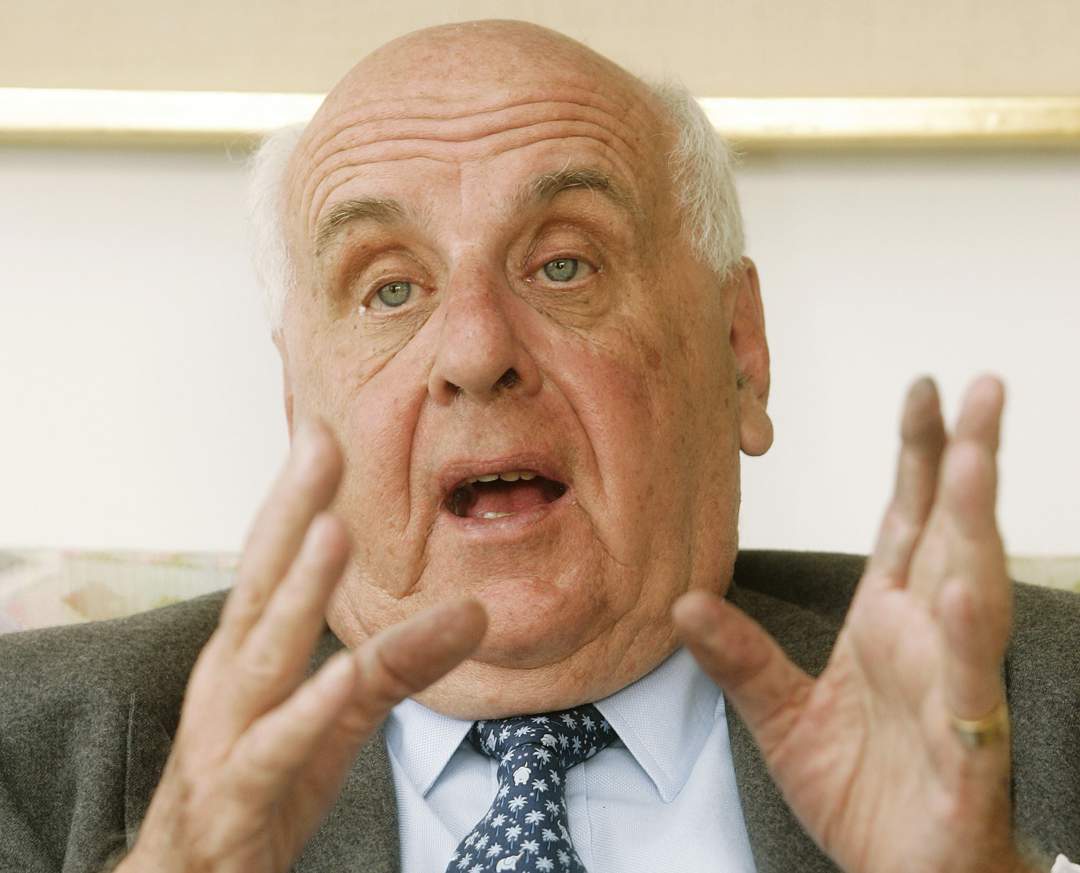
Former diplomat Etienne Davignon is the only person still alive among 10 Belgians accused of complicity in the murder of Patrice Lumumba.
Mark Renders/Getty Images
A lawyer for Davignon, who denies all charges, told AFP he was “examining the court order” and would advise his client “on the chances of success of a potential appeal”.
Lumumba’s relatives have maintained the time is ripe for a long-overdue legal reckoning.
“It’s a gigantic victory,” the family’s lawyer, Christophe Marchand, told AFP on Tuesday.
“No one believed when we first brought the case in 2011 that Belgium would prove capable of seriously investigating this,” he said.
He added: “It’s very hard for a country to judge its own colonial crimes.”
Barring an appeal, Marchand said a trial could be expected early in 2027.
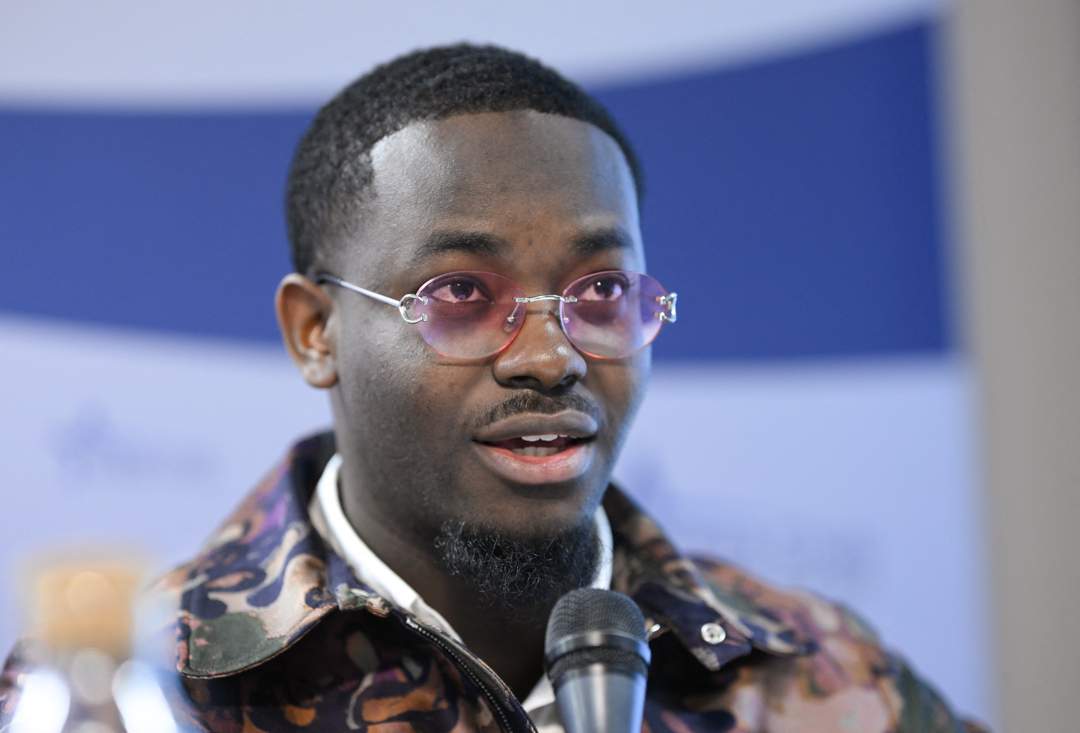
Murdered Congolese independence icon Patrice Lumumba's relative Mehdi Lumumba holds a press conference following a hearing before a Belgian court to weigh prosecuting the sole surviving suspect over the 1961 killing, in Brussels.
Davignon faces trial for “participation in war crimes” over his role in the “unlawful detention and transfer” of Lumumba, considered a prisoner of war at the time, and for him being denied a fair trial.
He is also accused of “humiliating and degrading treatment”, although not of direct involvement in Lumumba’s killing.
The court extended the scope of the case to try him for complicity in the deaths of Lumumba’s political allies, Maurice Mpolo and Joseph Okito - who were murdered alongside him.
Davignon, who went on to become a vice president of the European Commission in the 1980s, was a novice diplomat at the time of the assassination.
After entering the diplomatic service in 1959, he rose through the ranks after his early involvement in Congolese independence talks.
Lumumba lawyer Marchand had described the accused as “a link in the chain” of a “disastrous state-sponsored criminal enterprise”.
The case - the latest step in Belgium’s decades-long reckoning with the role it played in Lumumba’s killing - had already led to one macabre discovery: One of Lumumba’s teeth.
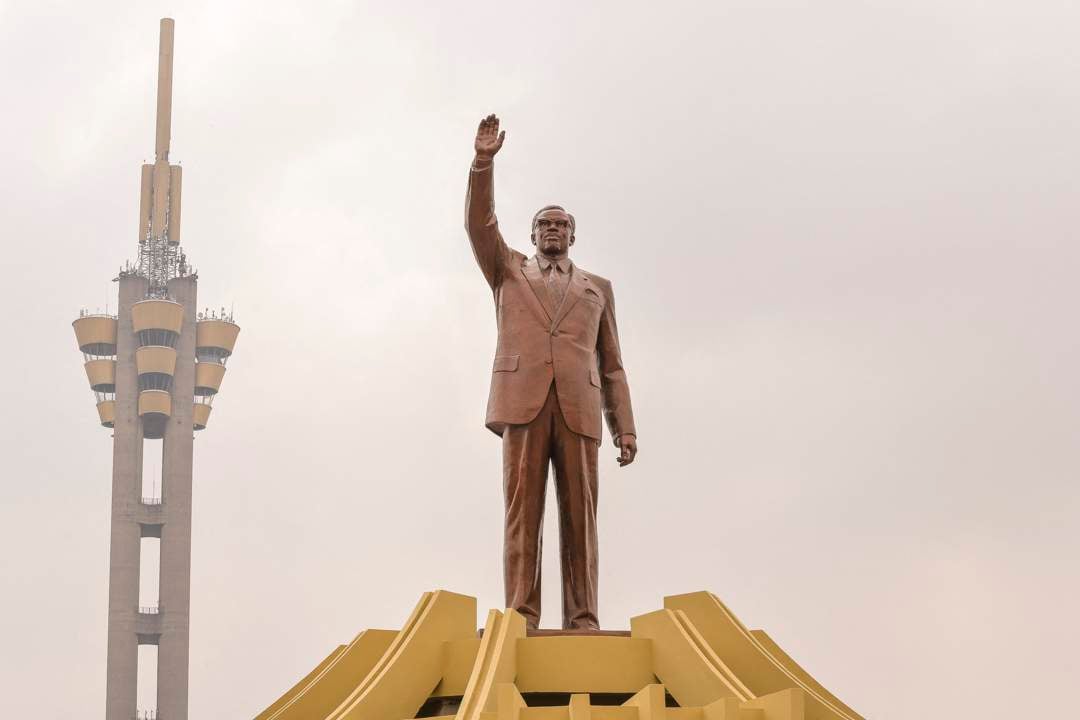
This is a general view of the slain Congolese independence hero Patrice Lumumba's mausoleum at the Limete Tower in Kinshasa.
The only known remains of the assassinated leader was seized from the daughter of a deceased Belgian police officer who had been involved in the disappearance of the body.
It was returned in a coffin to the authorities in what is now the Democratic Republic of Congo, during an official ceremony in 2022, that aimed to turn a page on the grim chapter of its colonial past.
During the handover, then Belgian prime minister Alexander De Croo reiterated the government’s “apologies” for its “moral responsibility” in Lumumba’s disappearance.
De Croo pointed the finger at Belgian officials who, at the time, “chose not to see” and “not to act”.











 English (US) ·
  French (CA) ·
  French (FR) ·