

 2 months ago
20
2 months ago
20
PROTECT YOURSELF with Orgo-Life® QUANTUM TECHNOLOGY
Orgo-Life the new way to the future Advertising by Adpathway
A correction is not the same as a bear market, which requires a a 20% drop from a recent peak.
Torsten Asmus/Getty Images
For more financial news, visit News24 Business.
The JSE’s All Share Index officially hit a correction phase on Friday, when the index closed more than 10% lower than its recent peak.
The index closed at 114 924 points, which was 10.5% lower than its most recent peak, of 128 456 points on 27 February – the day before the US-Israeli attack on Iran that has spread to the rest of the Middle East and has roiled oil, currency and stock markets. Emerging markets (EMs) have been especially hard hit as global investors sought shelter in safe-haven currencies and markets.
A correction is not the same as a bear market, which requires a a 20% drop from a recent peak. The JSE would have to hit 102 765 points to be in a bear market.
Neither is a correction the same as a market crash or panic selling, which represent very rapid falls of more than 20%.
“The highly liquid South African markets often enable global investors to use local assets as early selling destinations in lieu of other EMs that may be more difficult to get out of,” Herman van Papendorp, head of asset allocation at Momentum Investments, told Bloomberg.
“The higher oil price related to the Iran war feeds into worries about higher South African inflation.”
South African stocks had been one of the big winners of last year, with the All Share Index up 38% in 2025 on the back of higher gold and platinum group metals prices.
According to Bloomberg, the losses now mean South African stocks rank among the worst-performing in the world, with a 15% drop on a dollar basis since 27 February.
The benchmark is still relatively cheap, with an estimated forward price-earnings ratio of 15.6, compared with 18.6 for MSCI’s emerging-market stock gauge, according to data compiled by Bloomberg.
The correction has hit banks and mining companies especially hard. Since 27 February, Absa has dropped about 15%, Capitec 13%, FirstRand (owner of FNB) 11% and Standard Bank 8%.
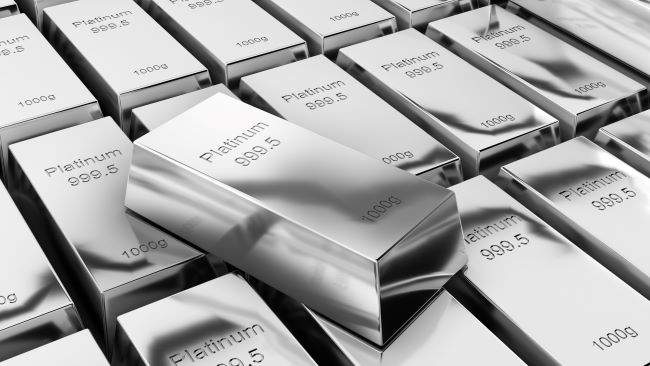
Mining shares were the hardest hit on Friday, with Impala Platinum dropping the most of all shares at 11.3%. The share is now 32% cheaper than before the outbreak of the conflict. This follows a 14% drop in the platinum price over the same time.
Other companies have benefited. Sasol’s share price has increased by more than 32% since 27 February, and it is up 148% over the past 52 weeks. Sasol’s share price generally gains when the oil price increases.
The rand has weakened almost 6% since 27 February, closing at R16.95 against the dollar on Friday. It hasn’t closed weaker than R17 per dollar since early December 2025.
On Wednesday, South Korea’s stock market suffered its steepest fall in history, plummeting more than 12.06%, more than the 12.02% single-day plunge on the 11 September 2001 terror attacks on the US. Al Jazeera reported that shipping and logistics firms suffered the steepest losses amid the effective halt of traffic through the Strait of Hormuz, which carries about one-fifth of the oil consumed globally.








 English (US) ·
  French (CA) ·
  French (FR) ·