

 1 month ago
76
1 month ago
76
PROTECT YOURSELF with Orgo-Life® QUANTUM TECHNOLOGY
Orgo-Life the new way to the future Advertising by AdpathwayPeru · Politics
Key Facts
—New jurisdiction rule. Police and military accused of crimes during duty will now face only military tribunals, not civilian courts.
—Congressional vote. Lawmakers approved the bill on June 23, 2026, with 52 votes in favor and 43 against.
—Case archiving. Civilian judges must close any ongoing ordinary court cases for the same facts, even without a final sentence.
—Presidential deadline. President José María Balcázar had until July 17, 2026, to sign or veto the law; his decision is not yet confirmed.
—International alarm. The UN human rights chief and Human Rights Watch both urged a veto, citing risks of impunity for abuses.
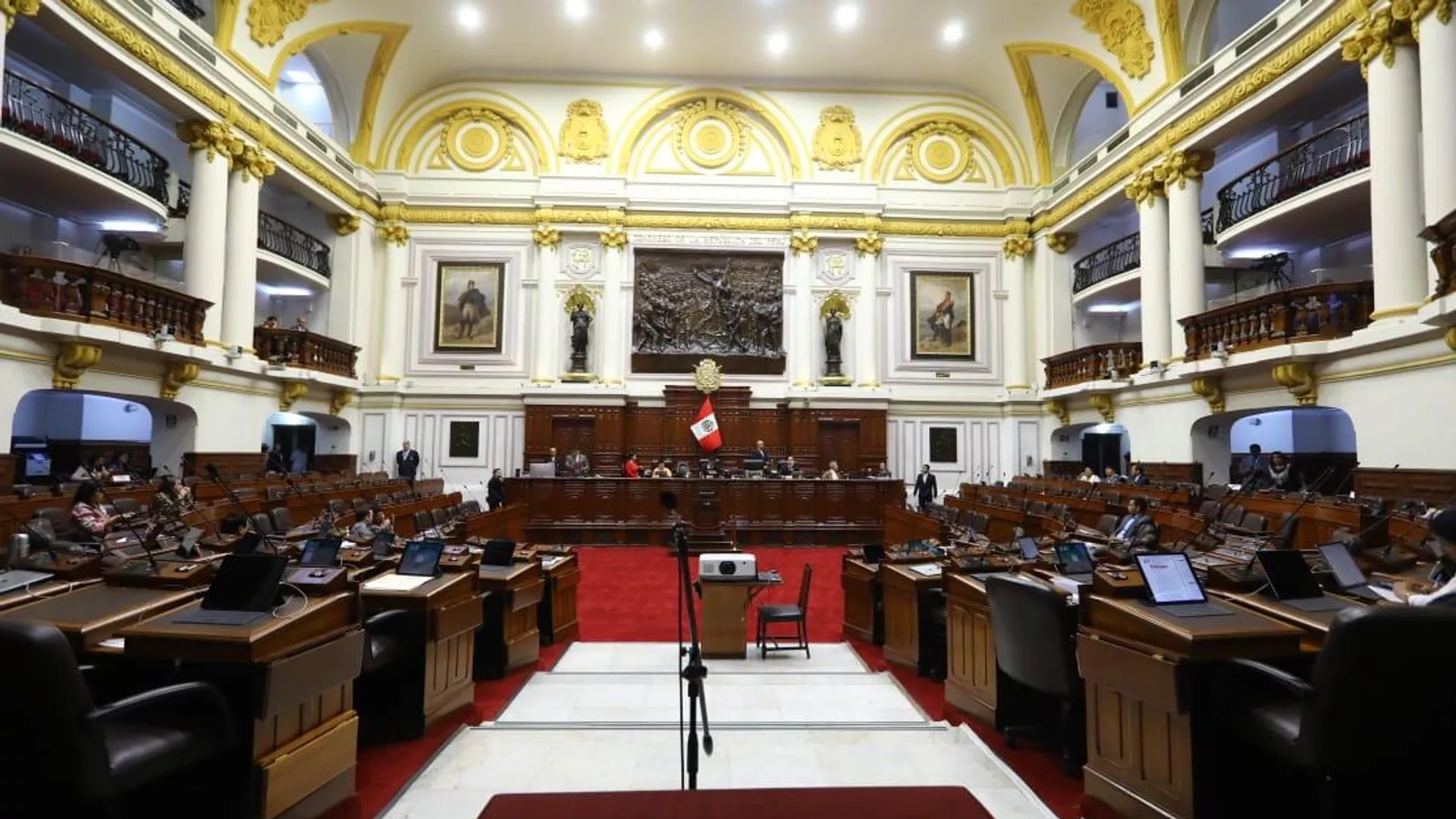
Peru military justice powers are set to expand dramatically after Congress ratified a law moving all criminal cases against police and soldiers on duty out of civilian courts and into exclusive military tribunals.
One-stop reference
Company Intelligence
Every listed company in Latin America — financials, ownership and structure for 1,450+ companies across 26 exchanges, in one place.
What the New Peru Military Justice Law Changes
The law, approved in a second vote on June 23, 2026, broadens the definition of a “service-related offense” to cover virtually any illicit act during police actions, internal control operations, or states of emergency.
It mandates that only military-police courts can judge these cases, forcing civilian judges to immediately archive any parallel proceedings for the same facts, even if no final sentence exists.
This represents a fundamental shift in Peru’s legal landscape, effectively reversing years of efforts to bring security force accountability under civilian oversight.
For foreign residents and investors, the change means that any interaction with police or military during official operations – from street-level patrols to large-scale emergency responses – now falls under a separate judicial track with different rules and transparency standards.
Who Backed the Legislation
The bill was sponsored by lawmaker Karol Paredes of the Avanza País party and backed by Fuerza Popular, the party led by Keiko Fujimori, and the Alianza para el Progreso party.
Supporters argue the change protects security forces from unfair prosecution for decisions made while performing their duties.
The political alliance behind the law reflects a broader push in Peru’s Congress to strengthen institutional shields for police and military, a trend that has gained momentum amid ongoing public safety concerns.
Fuerza Popular, in particular, has long advocated for expanding military jurisdiction, a stance rooted in the party’s historical ties to Peru’s armed forces during the internal conflict era.
Critics Warn of a Direct Path to Impunity
Human Rights Watch urged President José María Balcázar to veto the bill, stating it would “effectively open the door to impunity” for human rights violations by security forces.
UN Human Rights Chief Volker Türk also called on Peru to reject the law, warning it violates international standards for an effective remedy and a fair trial.
The Inter-American Court of Human Rights has previously ruled that military criminal jurisdiction is not competent to investigate, prosecute, or punish human rights violations, a precedent Peru is now directly challenging.
Opponents in Congress denounced the measure as a tool for impunity, noting it could nullify even non-definitive convictions in civilian courts by forcing judges to archive cases mid-process.
Background: Peru’s Long Struggle Over Military Courts
Peru has wrestled with the scope of military justice for decades, particularly since the internal armed conflict of the 1980s and 1990s, when military tribunals were widely used to shield soldiers from accountability for abuses.
A series of reforms over the past twenty years gradually moved human rights cases and common crimes committed by security forces into civilian courts, aligning Peru more closely with Inter-American human rights standards.
The new law marks a sharp reversal of that trend, re-expanding the military-police jurisdiction (*fuero militar policial*) to cover virtually any act committed during service, a definition critics say is dangerously broad.
For expatriates and international businesses operating in Peru, this legal shift introduces new uncertainty about how allegations of misconduct by security personnel will be handled, particularly in regions with heavy police or military presence.
What It Means for Expats, Investors, and Tourists
Foreign nationals living in or visiting Peru should understand that complaints against police or military personnel for actions during official duties will now be channeled through a military justice system with less public transparency than civilian courts.
This could affect everything from reporting a use-of-force incident during a protest to seeking redress for property damage during a state of emergency operation.
Investors in sectors like mining, energy, and infrastructure – where security force deployments are common to protect assets – may face new complexities in legal risk management and community relations.
Tourists who encounter police during their stay should be aware that the legal framework governing officer accountability has shifted, potentially affecting how complaints are processed and resolved.
What Happens Next
The ratified law was sent to President Balcázar on June 23, with a 15-day window to sign or veto it that ended on July 17, 2026.
As of July 21, the president’s final decision has not been publicly confirmed, leaving the law’s fate momentarily uncertain.
If signed, the law would take effect immediately, triggering the archiving of all pending civilian court cases against police and military personnel for duty-related acts.
Should President Balcázar veto the bill, Congress could still override the veto with a qualified vote, though the political calculus for such a move remains unclear given the 52-43 split in the June 23 vote.
Frequently Asked Questions
What does the new Peru military justice law do?
It transfers all criminal cases against police and military personnel accused of crimes during duty from civilian courts to exclusive military-police tribunals. The law also broadens the definition of a service-related offense to include virtually any illicit act committed during police actions, internal control operations, or states of emergency, and requires civilian judges to immediately archive any ongoing cases for the same facts.
Why do critics say the law creates impunity?
Opponents argue military courts lack the independence required for impartial human rights cases, and the law forces civilian judges to close ongoing cases, potentially nullifying existing convictions that have not yet reached a final sentence. The Inter-American Court of Human Rights has also ruled that military criminal jurisdiction is not competent to handle human rights violations, a standard Peru would be violating.
Has Peru’s president signed the law?
As of July 21, 2026, President José María Balcázar’s decision to sign or veto the law has not been confirmed, though his 15-day deadline passed on July 17. If he signs, the law takes effect immediately.
If he vetoes, Congress may attempt to override the veto, though the outcome of such a vote is uncertain.













 English (US) ·
  French (CA) ·
  French (FR) ·