

PROTECT YOURSELF with Orgo-Life® QUANTUM TECHNOLOGY
Orgo-Life the new way to the future Advertising by Adpathway Fish oil supplements are a rich source of omega-3 fatty acids, particularly EPA and DHA, which play important roles in cardiovascular health, brain function, and inflammation regulation. Although widely consumed for their potential health benefits, their effects can vary depending on dosage, individual health, and underlying biological conditions. Credit: Shutterstock
Fish oil supplements are widely regarded as beneficial for brain health, but new research challenges that assumption in the context of repeated brain injuries.
Fish oil supplements are often taken to support brain health, but new research suggests that one of their main ingredients may interfere with the brain’s ability to heal after repeated head injuries. The problem appears to involve the growth and repair of blood vessels, a process that helps restore oxygen and nutrient delivery to damaged brain tissue.
In a first-of-its-kind study published in the journal Cell Reports, researchers led by the Medical University of South Carolina (MUSC) found that elevated levels of the omega-3 fatty acid eicosapentaenoic acid (EPA) impaired neurovascular repair in experimental models of repetitive mild traumatic brain injury (TBI). The scientists also identified related metabolic and vascular abnormalities in human brain tissue from individuals with chronic traumatic encephalopathy (CTE).
“This is the first study to show that fish oils might not be beneficial in all situations,” said Onder Albayram, Ph.D., associate professor in the Department of Neuroscience at MUSC and lead investigator. “Concussion and brain injury can happen to anybody, and through MUSC’s high-quality research in this field, I hope to extend this study to other brain disorders to discover how recovery context, including nutrition, could influence brain health over time.”
When Omega-3 Fatty Acids Behave Differently
Fish oil contains two major omega-3 fatty acids that behave differently in the brain. Docosahexaenoic acid (DHA) is an important structural component of neuronal membranes and has substantial evidence supporting its health benefits. EPA is incorporated into these membranes to a lesser extent, and its biological effects can vary depending on the duration of exposure and the physiological condition of surrounding tissues.
Despite the growing popularity of omega-3 supplements and their addition to products ranging from beverages to dairy alternatives, relatively little is known about how prolonged consumption affects the brain’s response to injury.
“Fish oil supplements are everywhere, and people take them for a range of reasons, often without a clear understanding of their long-term effects,” Albayram said.
“But in terms of neuroscience, we still don’t know whether the brain has resilience or resistance to this supplement. That’s why ours is the first such study in the field.”
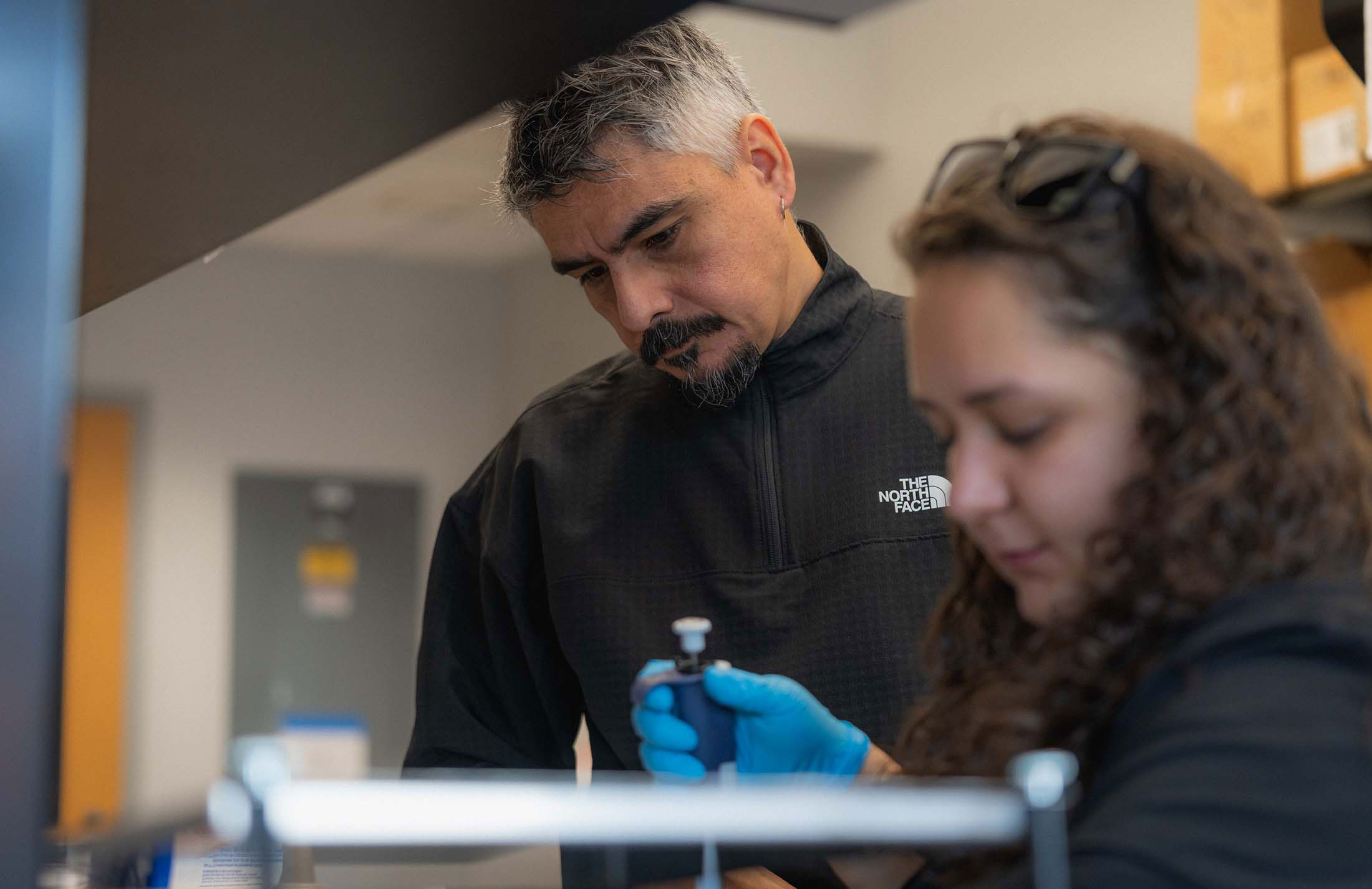 Eda Karakaya, Ph.D., and Onder Albayram, Ph.D., at MUSC. Albayram was lead investigator for the mechanistic study. Credit: MUSC and Julie Taylor
Fish Oil May Disrupt the Brain’s Repair System
To investigate how omega-3 fatty acids influence recovery, Albayram and his colleagues examined mice given long-term fish oil supplementation and subjected to repeated mild head impacts. They found that EPA accumulation created a metabolic vulnerability that reduced the injured brain’s capacity to repair itself.
The supplemented animals experienced deteriorating neurological function and spatial learning performance over time. Researchers also detected abnormal accumulations of tau, a protein associated with several neurodegenerative diseases, around blood vessels in the cerebral cortex.
“In a sensitive brain state modeled in mice, long-term fish oil supplementation revealed a delayed vulnerability. The animals showed poorer neurological and spatial learning performance over time, together with clear evidence of vascular-associated tau accumulation in the cortex, linking impaired recovery to neurovascular dysfunction and perivascular tau pathology,” Albayram said.
Interfering With the Growth of New Blood Vessels
Further analysis revealed that EPA altered the activity of genes involved in maintaining and rebuilding the brain’s vascular network. Among the affected processes was angiogenesis, the formation of new blood vessels, which helps restore blood supply to injured tissue.
EPA’s ability to suppress blood vessel formation may be beneficial in certain biological settings, such as limiting the growth of vessels that supply tumors. Following brain trauma, however, suppressing this same process could compromise recovery.
“In the injured cortex, the team observed a coordinated shift in gene programs that normally support vascular stability and repair,” Albayram said. “The pattern included reduced expression of genes tied to extracellular matrix organization and endothelial integrity, alongside broader changes consistent with altered lipid handling after injury.”
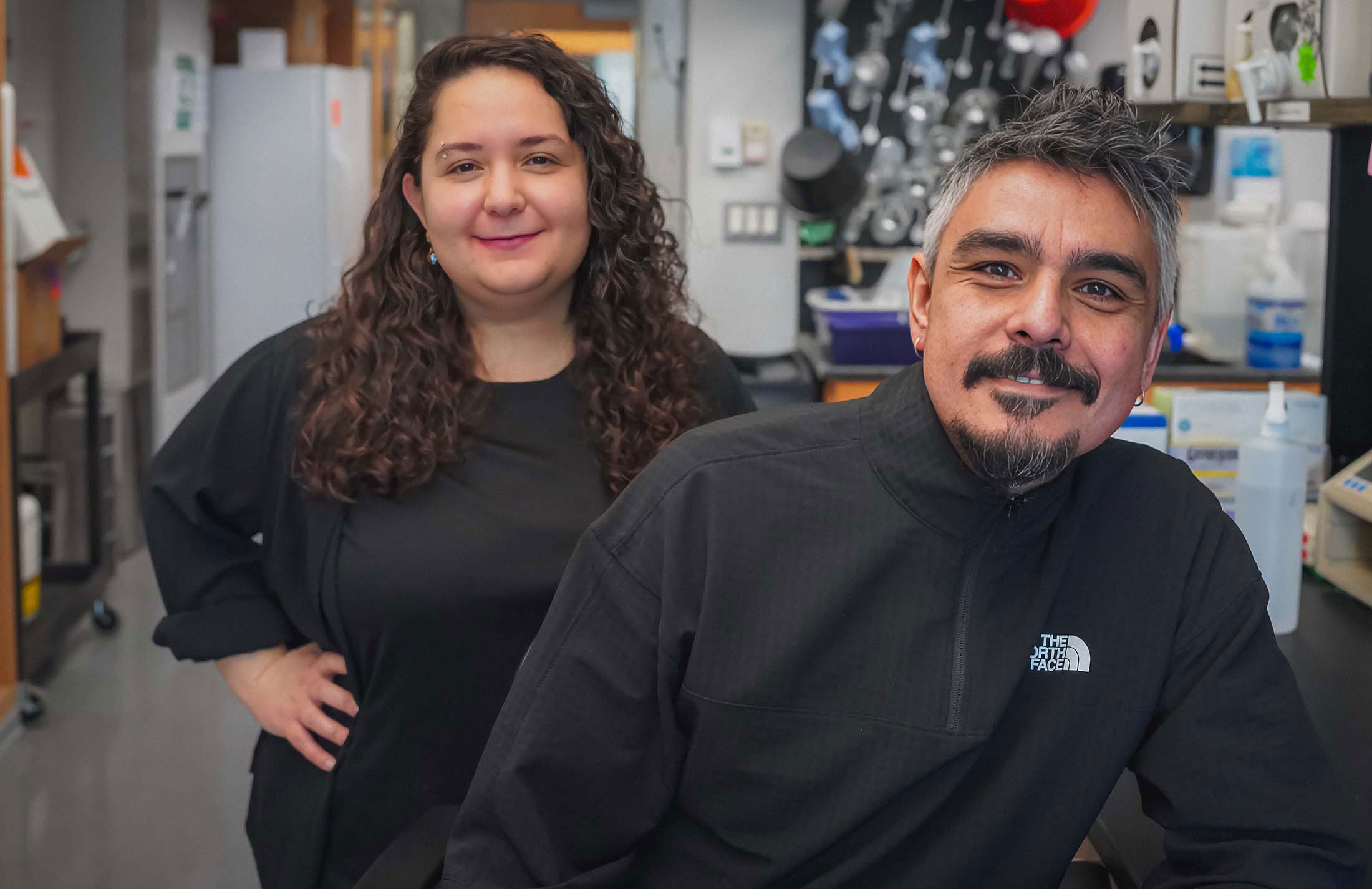 Albayram said the study is not a call for the public to abandon fish oil supplements. “What our data highlight is that biology is context-dependent.” Credit: MUSC
Testing EPA in Human Brain Cells
The researchers examined human brain microvascular endothelial cells, which line the brain’s smallest blood vessels and help maintain the blood-brain barrier. This protective barrier regulates the movement of substances between circulating blood and brain tissue.
Under specific metabolic conditions that promoted fatty acid utilization, EPA weakened the cells’ ability to form new vascular networks and maintain barrier integrity. DHA did not produce the same effects, suggesting that individual omega-3 fatty acids can influence vascular recovery in fundamentally different ways.
“Instead, when cells were placed in conditions that encouraged fatty acid engagement, EPA was associated with weaker angiogenic network formation and reduced endothelial barrier integrity, matching key features of the neurovascular repair deficit seen in vivo,” Albayram said.
“Fish oil is widely viewed as neuroprotective,” said Semir Beyaz, Ph.D., assistant professor at Cold Spring Harbor Laboratory and a collaborator on the study. “Our data show that context matters: in models of repetitive brain injury, EPA can impede the repair programs the brain relies on to heal.”
Connections to Chronic Traumatic Encephalopathy
The scientists also analyzed postmortem tissue from the superior frontal cortex of individuals with neuropathologically confirmed CTE, a neurodegenerative disease associated with repeated head impacts. People affected by CTE may experience cognitive difficulties, memory problems, and behavioral or mood changes years after their exposure to brain trauma.
The tissue samples contained elevated EPA levels alongside abnormalities in fatty acid metabolism and gene activity resembling some of the changes observed in the experimental models. However, these similarities do not establish that fish oil supplementation contributes to the development of CTE.
“In postmortem cortex from neuropathologically confirmed CTE cases with a history of repetitive brain injury, the researchers found evidence of disrupted fatty acid balance and broad transcriptional changes affecting vascular and metabolic pathways,” Albayram said. “This human arm was used to provide translational context, asking whether chronic disease tissue shows convergent signatures of altered lipid handling and reduced vascular stability.”
Should People Reconsider Taking Fish Oil?
The researchers emphasized that their findings do not invalidate the established benefits of omega-3 fatty acids or demonstrate that people recovering from brain injuries should stop taking fish oil.
“I am not saying fish oil is good or bad in some universal way,” Albayram said. “What our data highlight is that biology is context-dependent. We need to understand how these supplements behave in the body over time, rather than assuming the same effect applies to everyone.”
“As with any study, there are important boundaries,” Albayram said. “In the human CTE tissue, we can observe patterns, but we cannot prove what drove them. We also cannot capture every variable that shapes omega-3 handling in real life, including overall diet, health status and lifestyle.”
Toward More Personalized Nutrition for Brain Health
The findings have “implications for precision nutrition, therapeutic strategies and the design of dietary interventions targeting brain injury and neurodegeneration,” the researchers wrote.
The team plans to investigate the molecular mechanisms that control how EPA is absorbed, transported, and distributed throughout the body. Understanding these processes could eventually help researchers determine which nutritional interventions support neurological recovery and which might interfere with it under particular circumstances.
“This paper is a starting point,” Albayram said, “but it is an important one. It opens a new conversation about precision nutrition in neuroscience, and it gives the field a framework to ask better, more testable questions.”
Reference: “Eicosapentaenoic acid reprograms cerebrovascular metabolism and impairs repair after brain injury, with relevance to chronic traumatic encephalopathy” by Eda Karakaya, Burak Berber, Onur Eskiocak, Jazlyn Edwards, Randy Bent Barker, Sarah Jamil, Weiguo Li, Yasir Abdul, Maria Ericsson, Thor Stein, Ann McKee, Adviye Ergul, Semir Beyaz and Onder Albayram, 25 March 2026, Cell Reports.
DOI: 10.1016/j.celrep.2026.117135
Never miss a breakthrough: Join the SciTechDaily newsletter.
Follow us on Google and Google News.






















 English (US) ·
 French (CA) ·
 French (FR) ·