

 1 month ago
70
1 month ago
70
PROTECT YOURSELF with Orgo-Life® QUANTUM TECHNOLOGY
Orgo-Life the new way to the future Advertising by AdpathwayKey Facts
—The deal. Raizen closed the largest out-of-court (extrajudicial) debt restructuring in Brazil’s history, covering about R$64.7 billion (US$12.7 billion).
—The backers. Shell is injecting R$3.5 billion (US$686 million), with a possible extra R$500 million (US$98 million) from the Ometto family’s Aguassanta.
—The support. The plan won backing from 19 banks and more than 80 bondholders, with about 75% creditor adhesion.
—The terms. About 45% of the restructured debt converts into equity; the rest is refinanced into new notes maturing in 2032 and 2034.
—The point. The deal lets Raizen fix its balance sheet without a full court-supervised bankruptcy.
Brazil just saw its largest corporate debt workout ever — and it was struck without a bankruptcy court running the show. The Raizen extrajudicial recovery restructures roughly R$64.7 billion (US$12.7 billion) in debt, a landmark for one of the country’s biggest energy companies.
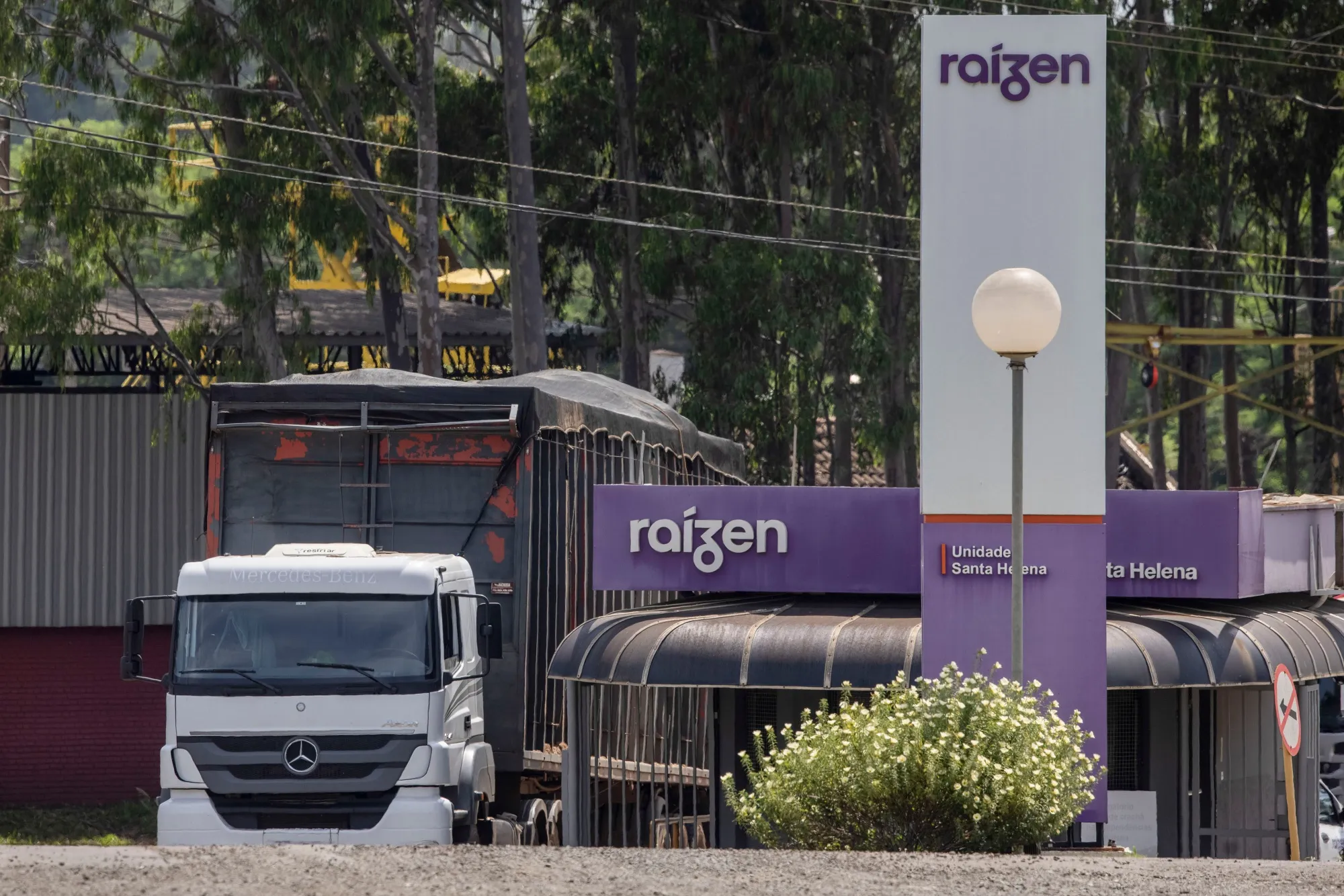
Raizen is a joint venture between Brazil’s Cosan and the oil major Shell. It is one of the world’s largest producers of sugar and ethanol and Brazil’s second-biggest fuel distributor, operating the Shell-branded service stations across the country.
Like many capital-heavy companies, it borrowed heavily to grow. Then Brazil’s steep interest rates turned that debt into a burden, forcing a reckoning.
The answer was not a courtroom collapse but a negotiated fix — the biggest of its kind the country has seen.
What an Extrajudicial Recovery Is
Brazil offers two main routes for a company in debt trouble. A judicial recovery is court-supervised, public and heavy, similar to a US Chapter 11. An extrajudicial recovery is lighter: the company negotiates directly with creditors and asks a court only to ratify a deal most of them already accept.
It works only when a large majority of lenders are on board. Raizen got there, winning support from 19 financial institutions and more than 80 bondholders in Brazil and abroad, with roughly 75% adhesion to the plan.
That backing is what lets a company this size restructure tens of billions of reais without freezing its operations. In a full judicial recovery, the process can drag on for years under court oversight, often disrupting supplier relationships and day-to-day business. By choosing the extrajudicial path, Raizen aimed to keep fuel flowing to its stations and ethanol moving from its mills while fixing the balance sheet. The trade-off is that an extrajudicial plan typically binds only the creditors who sign up, which is why reaching such a high adhesion rate was essential to make the numbers work.
Inside the Numbers
The plan reworks about R$64.7 billion (US$12.7 billion) in financial debt — the largest extrajudicial agreement ever closed in Brazil.
Roughly 45% of the restructured debt will convert into equity, meaning some creditors trade what they are owed for a stake in the company. The remaining 55% is refinanced, replaced or amended through new debt securities maturing in 2032 and 2034.
Crucially, the controllers are putting money in. Shell is injecting about R$3.5 billion (US$686 million), and Aguassanta, tied to the Ometto family that controls Cosan, may add up to R$500 million (US$98 million).
Fresh capital from the owners is the signal creditors most wanted: that the shareholders believe in the business enough to write their own checks. For a company with two heavyweight backers, that commitment also helps explain why lenders were willing to accept a large equity conversion rather than hold out for full repayment. The new notes stretching to 2032 and 2034 give Raizen a much longer repayment horizon, easing the pressure that comes when too much debt falls due in a short window.
Live Company IntelligenceRaízen S.A. — the full investor dossierInside: live share price, market cap, three-year financials, valuation, ESG and peer benchmarks — plus the latest Rio Times coverage.R
◆ Live Company Intelligence
Raízen
SA: RAIZ4RAIZ4UtilitiesUtilities – Renewable40,000 employees
Valuation & profitability
Market capR$2.79B
Revenue (TTM)R$225.85B
Profit margin-12.0%
Return on equity-548.1%
Price & risk
52-wk low
$0.2752-wk high
$1.52
Beta (volatility)0.19
200-day average$0.65
Revenue trend · 6y
20212026
Latest R$225.85B
Ownership
Institutions42.6%
Shares outstanding1.35B
Dividend
No regular dividend — earnings reinvested for growth.
What Raízen does. Raízen S.A. operates as an integrated energy company in Brazil, Argentina, rest of Latin America, North America, Asia, Europe, and internationally. The company trades in and markets fossil fuels and franchises network of service stations under the Shell brand name. It also engages in the production, origination, marketing, and trading of ethanol…
Why It Matters
For Raizen, the deal buys time and breathing room — a longer runway to pay, a lighter interest load and the Shell brand still firmly behind it.
For Brazil, it is a sign of the strain that high interest rates put even on blue-chip companies. When borrowing costs stay elevated, debt taken on in easier times can quickly become unmanageable.
It also sets a template. A restructuring this large, done out of court, shows other heavily indebted Brazilian giants that there is a path between muddling through and a full bankruptcy filing.
The test now is execution: whether Raizen can convert a cleaner balance sheet into steadier cash flow as Brazil’s rate cycle slowly turns. The sugar and ethanol business is deeply tied to global commodity prices and domestic fuel policies, so the company’s ability to generate the earnings needed to service its refinanced debt will depend on factors well beyond the restructuring itself. Investors and creditors will be watching whether the fresh capital from Shell and Aguassanta translates into operational improvements, or simply plugs a hole. Another open question is how the large equity stake now held by former creditors will influence the company’s strategy, and whether those new shareholders will push for asset sales or a sharper focus on the most profitable parts of the business. For the broader Brazilian market, the deal raises a practical question: if an extrajudicial recovery can work at this scale, will regulators and courts feel pressure to make the process even smoother for the next company that tries it?
Frequently Asked Questions
What did Raizen restructure?
Raizen closed an extrajudicial recovery covering about R$64.7 billion (US$12.7 billion) in financial debt — the largest out-of-court corporate debt restructuring in Brazil’s history.
Who is backing the plan?
The deal won support from 19 banks and more than 80 bondholders, with about 75% creditor adhesion. Shell is injecting about R$3.5 billion (US$686 million), with a possible R$500 million (US$98 million) more from the Ometto family’s Aguassanta.
What is an extrajudicial recovery?
It is a Brazilian out-of-court restructuring in which a company negotiates directly with creditors and asks a court only to ratify a plan most of them already accept — lighter and faster than a full judicial recovery.
LatAm Markets: Live Signals → — real-time movers, turnover leaders and FX across Latin America.
The Rio Times · Power Map
See who really holds power in Latin America
Click to open the Power Map →






















 English (US) ·
  French (CA) ·
  French (FR) ·