

 1 month ago
22
1 month ago
22
PROTECT YOURSELF with Orgo-Life® QUANTUM TECHNOLOGY
Orgo-Life the new way to the future Advertising by AdpathwayA panel of residential school survivors provided witness testimony on Tuesday to the Permanent Peoples Tribunal, an international independent court of opinion investigating Canada's responsibility for the residential school system and the human rights violations associated with it.
'You don't get over it,' says survivor Roberta Hill


Listen to this article
Estimated 4 minutes
The audio version of this article is generated by AI-based technology. Mispronunciations can occur. We are working with our partners to continually review and improve the results.

WARNING: This story contains details of experiences at residential schools.
Roberta Hill remembers being sent to the Mohawk Institute Indian Residential School in Brantford, Ont., when she was six years old.
Although she attended with five of her siblings, including her youngest sister, they were separated upon arrival.
"I never saw her again for years after," Hill said.
"She was my favourite little sister. So that was the start of the separation and the trauma."
Hill, who is from Six Nations of the Grand River near Hamilton, was part of a group of residential school survivors who gave witness testimony to the Permanent Peoples Tribunal in Montreal on Tuesday.
The international independent court of opinion began its week-long investigation into missing Indigenous children and unmarked burials associated with residential schools on Monday.
Requested by the Native Women's Shelter of Montreal in 2024, the tribunal has been hearing evidence regarding Canada's responsibility for the residential school system and the human rights violations associated with it.
The Permanent People's Tribunal is an independent international court of opinion that has investigated human rights abuses globally since 1979.
Crown-Indigenous Relations and Northern Affairs Canada has said the Government of Canada will not be participating in the proceedings.
'You don't want to feel anymore'
Tuesday afternoon focused on evidence provided by a panel of residential school survivors, both in person and over video.
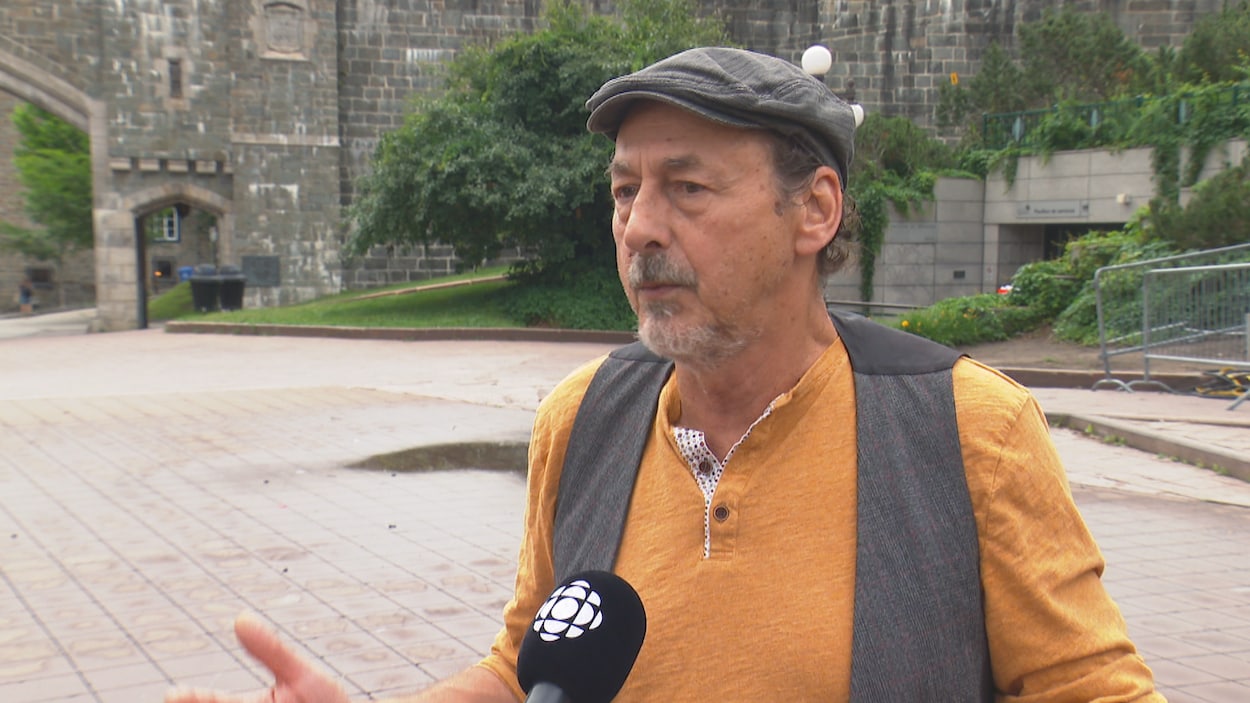
Audrey Hill, George Diamond, Leo Nicholas and Lucy Tulugurjuk provided video testimony. Hill and Sam Achneepineskum from Marten Falls First Nation in northern Ontario gave their testimony in person.
Hill told the tribunal she attended the Mohawk Institute from the age of six to 10 years old before entering foster care.

She said older girls at school would be tasked to look after the younger girls, often holding them while they cried.
"I did that for a long time, and after a while, they basically tell you to stop crying and get over it, kind of thing, but you don't get over it," Hill said.
Both Hill and Achneepineskum said they were sexually assaulted as children while at residential school.
Achneepineskum is a survivor of McIntosh Indian Residential School, Cecilia Jeffrey Indian Residential School and St. Joseph’s Indian Residential School, which he attended from the age of 12.
Achneepineskum said the abuse he saw and experienced "really changed me" and impacted his relationships with his children.
"One of the things I learned was never, never to feel anything," he said.
"You don't want to feel anymore, and it was a way of surviving what you were experiencing, what you were seeing every day."
'There was a playbook'
On Tuesday morning, the judges heard from investigative journalists Tanya Talaga and Connie Walker.
Walker, who is Cree from Okanese First Nation in Saskatchewan, gave testimony related to her Pulitzer Prize-winning podcast Stolen: Surviving St. Michael's, which included her dad's experience at St. Michael's residential school in Duck Lake, Sask.

Talaga, who is Anishnaabe and of Polish descent, gave testimony related to her book and documentary The Knowing, which detailed her search for her great-great-grandmother's grave, the history of residential schools and family members who went missing.
The panel included audio and video excerpts of both Talaga and Walker's work.
A video clip from The Knowing, where Talaga and her mother finally locate her great-great-grandmother's grave, brought several in the room to tears.
"These Indian residential schools were formed to take away our language, our culture, our sense of who we are, and to become the model citizens to lead this new Canada," Talaga said.
"That was the plan and there was a playbook. It's seen in every single Indian residential school across this country."
The tribunal continues the rest of the week. An interim ruling from the judges is expected on Friday, while a full ruling will be delivered on Sept. 30.
A national 24-hour Indian Residential School Crisis Line is available at 1-866-925-4419 for emotional and crisis referral services for survivors and those affected.
Mental health counselling and crisis support are also available 24 hours a day, seven days a week through the Hope for Wellness hotline at 1-855-242-3310 or by online chat .
ABOUT THE AUTHOR
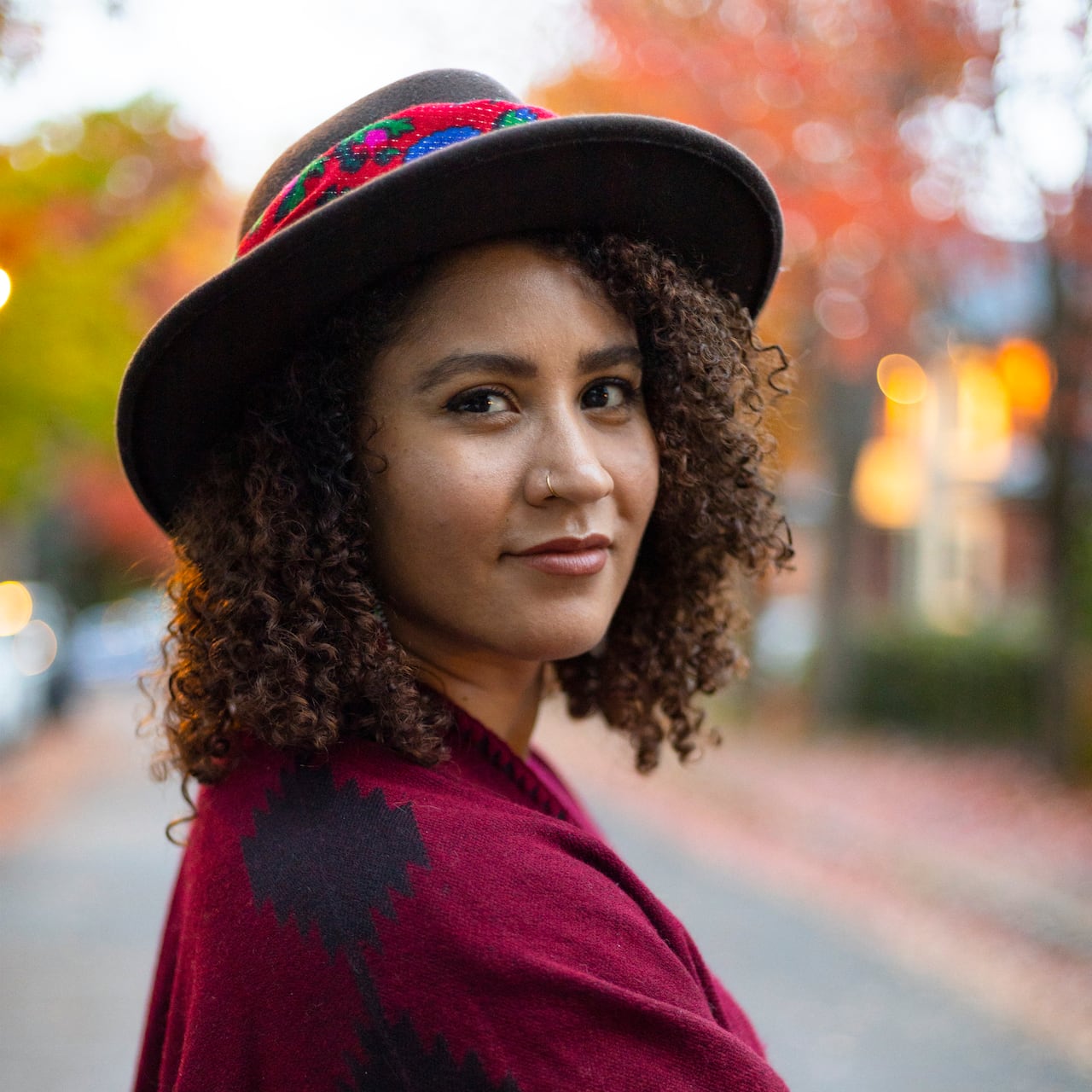
Joy SpearChief-Morris is an Indigenous Black journalist and member of the Kainai Blood Tribe in Alberta. She reports primarily on Indigenous politics, healthcare and sports. Along with CBC, Joy has had bylines in The Globe and Mail, The Narwhal, The Walrus, The Toronto Star and Sportsnet. She is the recipient of the 2025 CJF-CBC Indigenous Journalism Fellowship.




![Hatsune Miku, VTuber Suisei Hoshimachi perform opening pitch at pro baseball game in Japan [Video]](https://soranews24.com/wp-content/uploads/sites/3/2026/07/2_a44dc7.jpg?w=580&h=305&crop=1)

 English (US) ·
  French (CA) ·
  French (FR) ·