

 5 hours ago
7
PROTECT YOURSELF with Orgo-Life® QUANTUM TECHNOLOGY
Orgo-Life the new way to the future Advertising by Adpathway
RWANDA · JUSTICE
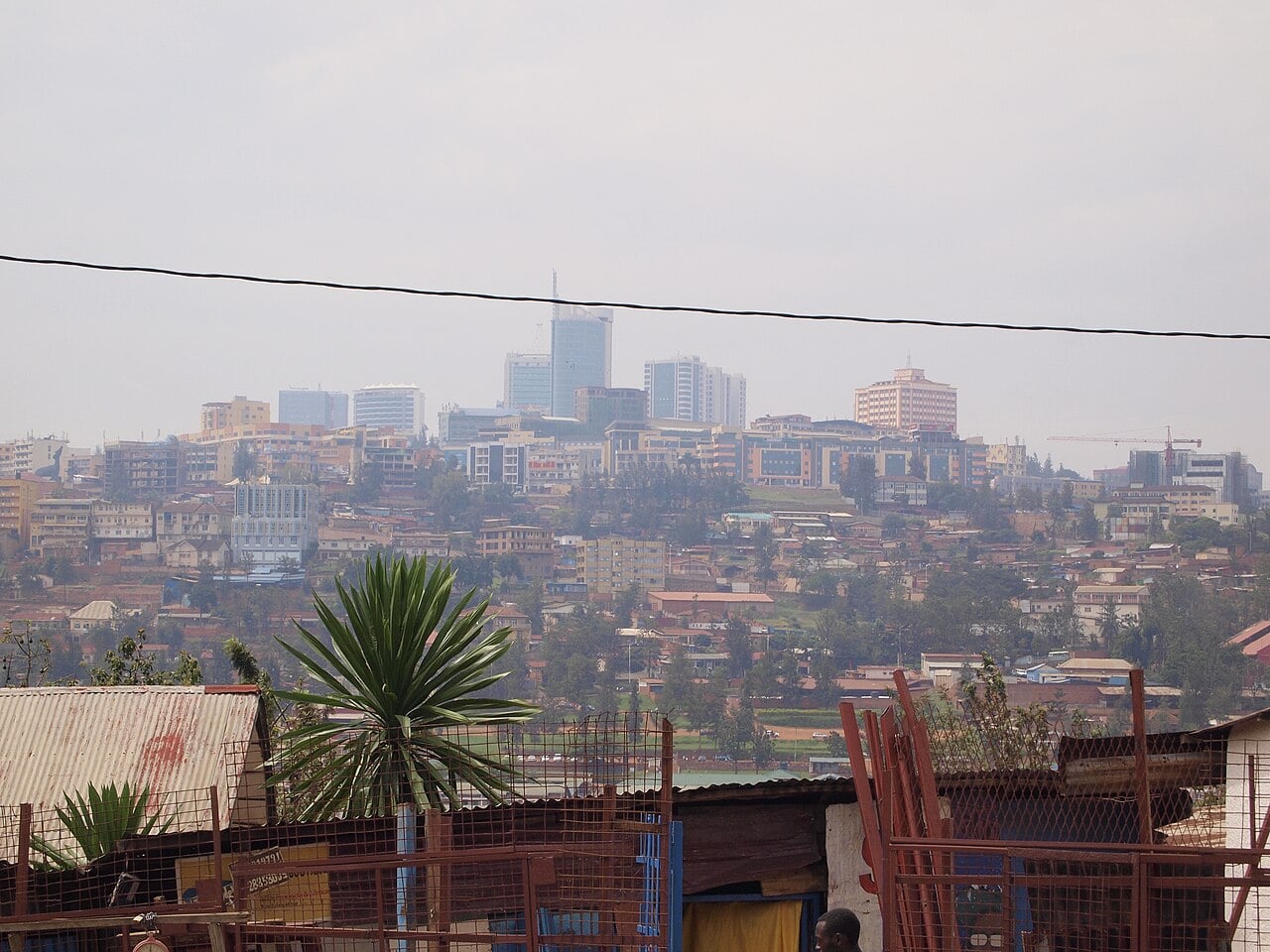
Rwanda has received Jean Léonard Teganya, a man accused of taking part in the 1994 genocide, after the United States deported him on Monday 9 November 2026. He landed at Kigali International Airport that evening, according to Rwanda’s National Public Prosecution Authority.
For a US reader, the case shows where a deportation can end: not in a visa dispute, but in a possible genocide trial. Teganya was convicted in the US of lying in his US asylum case about his past, and he has not been convicted of genocide anywhere.
Free daily brief — no card needed
Get every Africa story in one morning email
We build you a personalized brief around the topics you follow — free for 7 days. Love it? Your first month after that is US$1.
Yes, email me my free daily brief — I can unsubscribe any time.
Key Facts
- Who Jean Léonard Teganya, a former medical student from Butare (now Huye), in southern Rwanda.
- What Deported by the US and received by Rwandan authorities on arrival in Kigali.
- When Monday 9 November 2026, in the evening, at Kigali International Airport.
- Charges Rwanda indicted him in 2014 for genocide and crimes against humanity in Butare.
- Next No court date has been announced; he is presumed innocent until a court rules.
Who Teganya Is and What He Is Accused Of
Teganya was a medical student at the University Teaching Hospital of Butare, in southern Rwanda, in 1994, when Tutsi, the ethnic minority targeted in the genocide, were killed in a campaign lasting about 100 days. Rwanda’s National Public Prosecution Authority (NPPA), the state prosecutor, says it indicted him in 2014 over alleged genocide and crimes against humanity (large-scale attacks on civilians) in the former Butare prefecture, a region.
The NPPA statement did not set out the individual allegations. US prosecutors said at his US trial that Tutsi patients and refugees at the hospital were killed behind the maternity ward.
Follow this story
Get an email when there’s news on Rwanda
Canada, Then the United States
Teganya left Rwanda in July 1994 and applied for asylum in Canada in 1999, where his claim was rejected. He later crossed into the United States on foot near Houlton, Maine, on the Canadian border, on 3 August 2014.
In the US he applied for asylum (protection for people who fear persecution at home) without disclosing what US prosecutors said was his membership in the MRND, the party in power when the genocide began, or his activities in 1994. A federal jury convicted him on 5 April 2019 of two counts of immigration fraud and three of perjury (lying under oath), and he was sentenced in July 2019 to 97 months in prison.
In Plain English
- NPPA: Rwanda’s National Public Prosecution Authority, the state body that brings criminal cases.
- MRND: the National Republican Movement for Democracy and Development, Rwanda’s ruling party before 1994.
- Perjury: lying under oath.
What a Deportation Does and Does Not Decide
The US court never tried him for genocide, only for lying in his asylum case, and the US Court of Appeals for the First Circuit, the US appeals court covering Massachusetts, Maine and other New England states, upheld the convictions and sentence in May 2021. The genocide allegations are for a Rwandan court to decide, not the US courts.
The NPPA says he faces the genocide charges in Rwanda, and it has said nothing yet about when a court will hear them. Rwanda has received suspects from the US before, including Beatrice Munyenyezi, a Rwandan-born woman who was deported in April 2021.
What It Means for You
For readers following US immigration enforcement, this is one of a small number of cases where removal follows a long criminal sentence and points to a possible genocide trial in the country where the alleged crimes took place. It sits alongside US immigration enforcement figures that we have also covered.
It also shows how long such cases take: Teganya was indicted in Rwanda in 2014 and arrived in Kigali about 12 years later. For readers new to the country, the background is in the section below.
Rwanda in Context
Rwanda is a small central African country, and the wider political background is in our guide to the Congo and Rwanda conflict. The hand-over of a genocide suspect is a separate matter from that dispute.
Readers who want more on the country can start with our Rwanda coverage. It includes the economy, security and politics.
What Is Not Known
The date of Teganya’s first court appearance, the exact charges Rwanda will bring and whether he has a lawyer have not been announced. His response to the Rwandan charges has not been reported.
How many genocide suspects the US has sent to Rwanda, and how many remain wanted, is not confirmed here. We give no total until a primary source states it.
Frequently Asked Questions
Who is Jean Léonard Teganya?
He is a Rwandan man accused of taking part in the 1994 genocide while a medical student in Butare. The US deported him to Rwanda on 9 November 2026.
Why did the US deport him?
He was convicted in 2019 of immigration fraud and perjury over his asylum application and sentenced to 97 months. The US then deported him to Rwanda.
Has he been convicted of genocide?
No. Rwanda indicted him in 2014, and a Rwandan court has yet to hear the case. He is presumed innocent until it rules.
When will his trial start?
The prosecution authority has not announced a date. He is presumed innocent until a court rules.
Sources: Rwanda National Public Prosecution Authority statement on receiving Jean Léonard Teganya, 9–10 November 2026; US Department of Justice case record, District of Massachusetts, conviction of 5 April 2019 and sentence of July 2019; US Court of Appeals for the First Circuit, ruling of 17 May 2021.
This article was produced by The Rio Times’ automated AI newsroom. Editorial responsibility: Matthias Camenzind, Publisher and Editor-in-Chief. The Rio Times also runs Ask Rio Times, which answers from 100,000+ of our own articles, the daily Latin America Power Map, and prediction-market odds on elections and markets.. How we use AI · Report an error

















 English (US) ·
 French (CA) ·
 French (FR) ·