Science news this week: Gold tongues discovered in tombs, sugar found in space, a new monkey identified in the Congolian rainforest, and ancient impact crater 'geoguessed' by an amateur astronomer
1 month ago
19
PROTECT YOURSELF with Orgo-Life® QUANTUM TECHNOLOGY
Orgo-Life the new way to the future Advertising by Adpathway
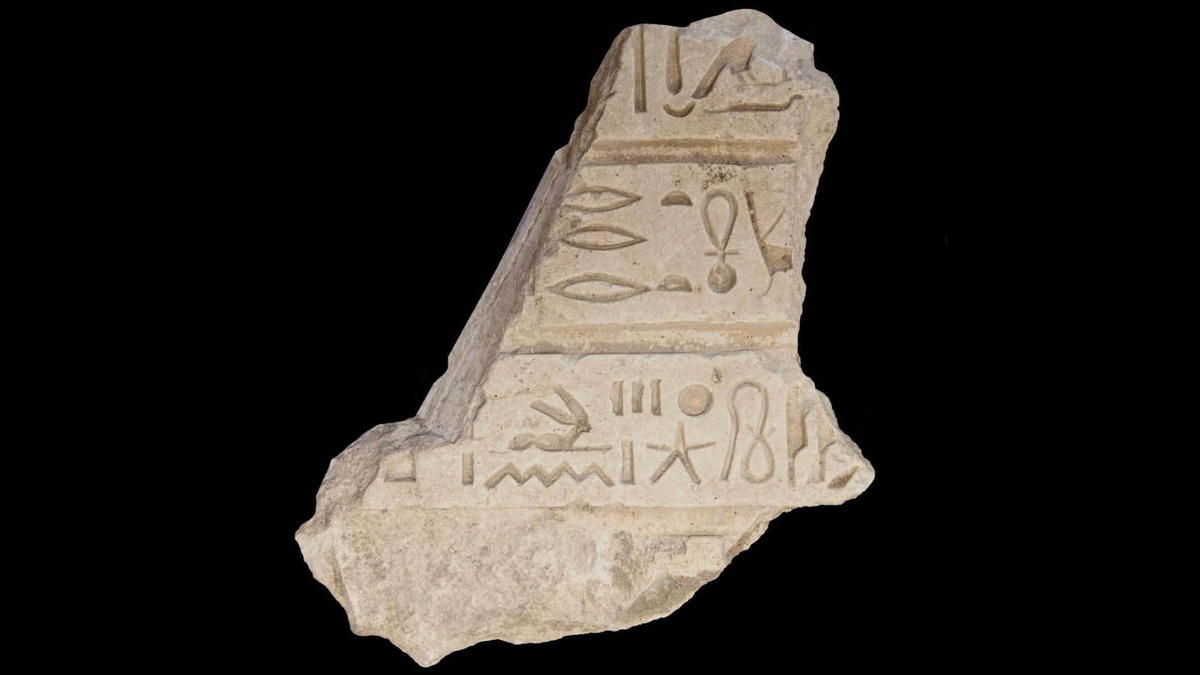
The ancient Egyptians believed that gold was the flesh of the gods, meaning that bestowing gold tongues upon the deceased could help them speak in the afterlife. But it's not entirely certain whether all of the newly found gold objects were tongues (one may actually depict a wheat ear, a symbol of fertility), and the mystery of a possible false door inside the tomb is also stirring up debate.
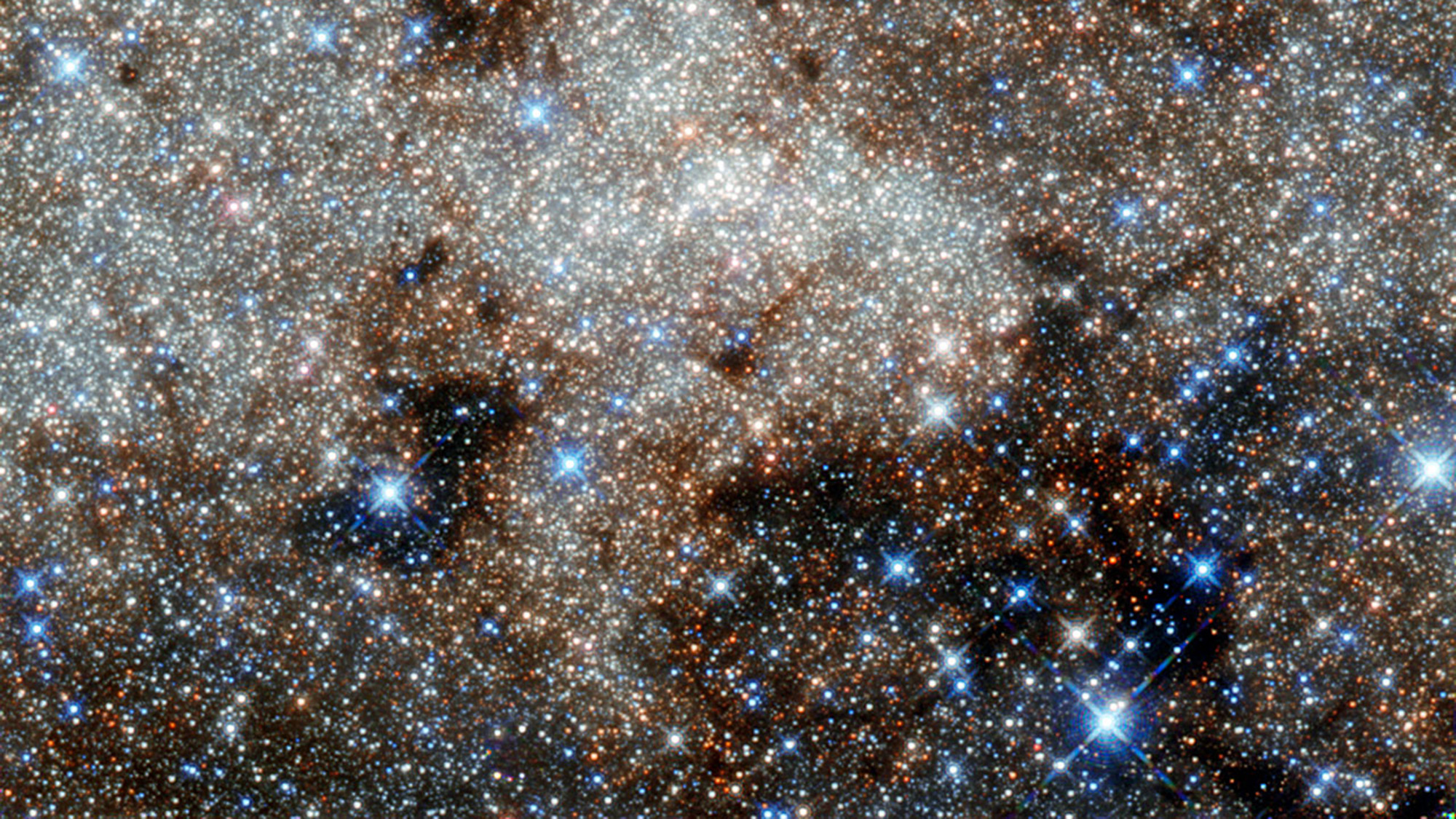
Astrochemists delivered a sweet surprise this week, with news that they had detected a type of sugar called erythrulose in interstellar space, near the center of our Milky Way galaxy.
Erythrulose, consisting of four carbon atoms, is found in raspberries back on Earth. But its presence in space is a mouthwatering sign that the essential ingredients for life are highly abundant across our galaxy. That could make life much more prevalent than we thought, and could mean that aliens may also have a sweet tooth.
Get the world’s most fascinating discoveries delivered straight to your inbox.
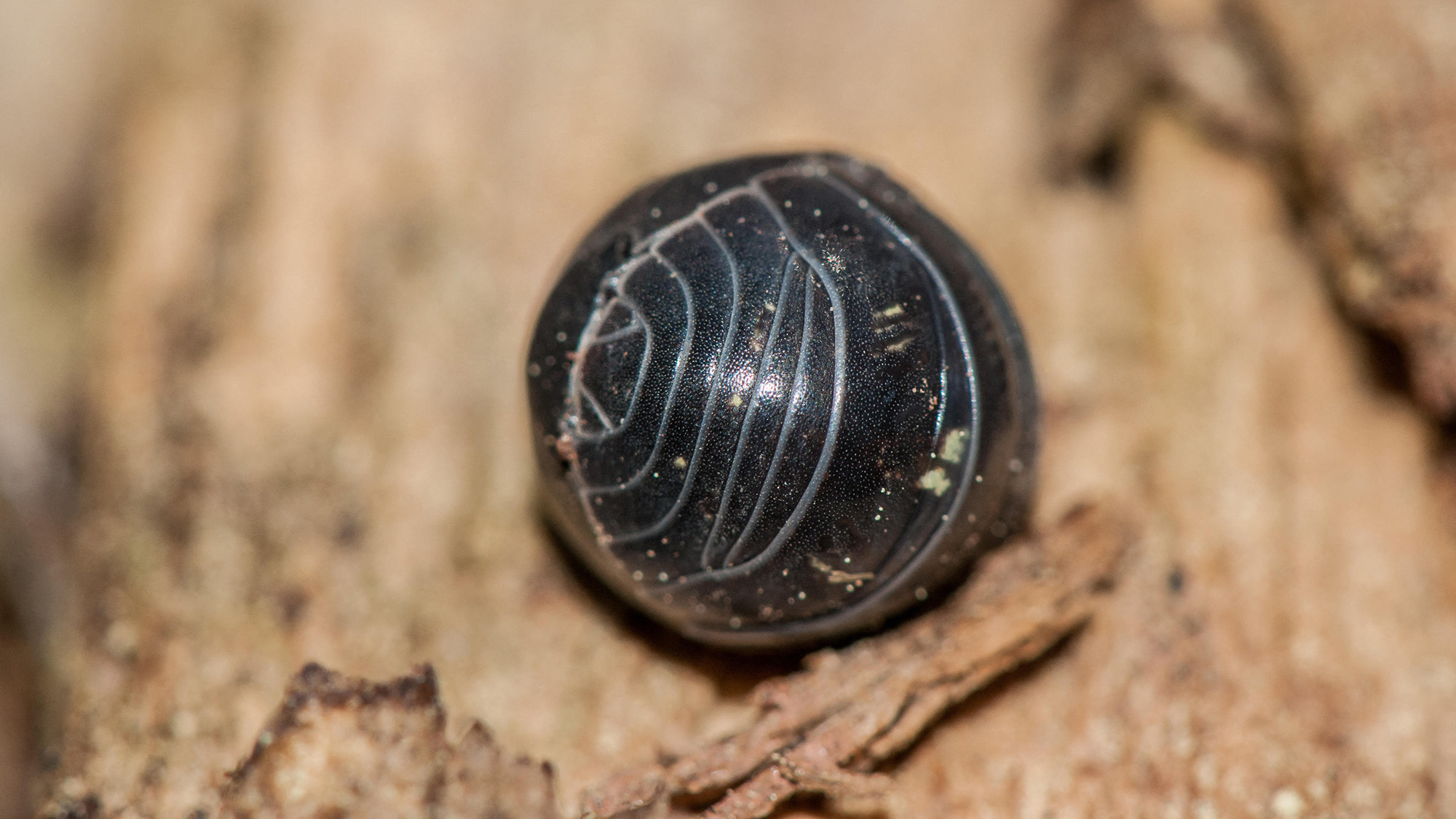
Animals come in all shapes and sizes, but are any a satisfyingly perfect sphere? It turns out that this deceptively simple question holds some evolutionarily profound implications.
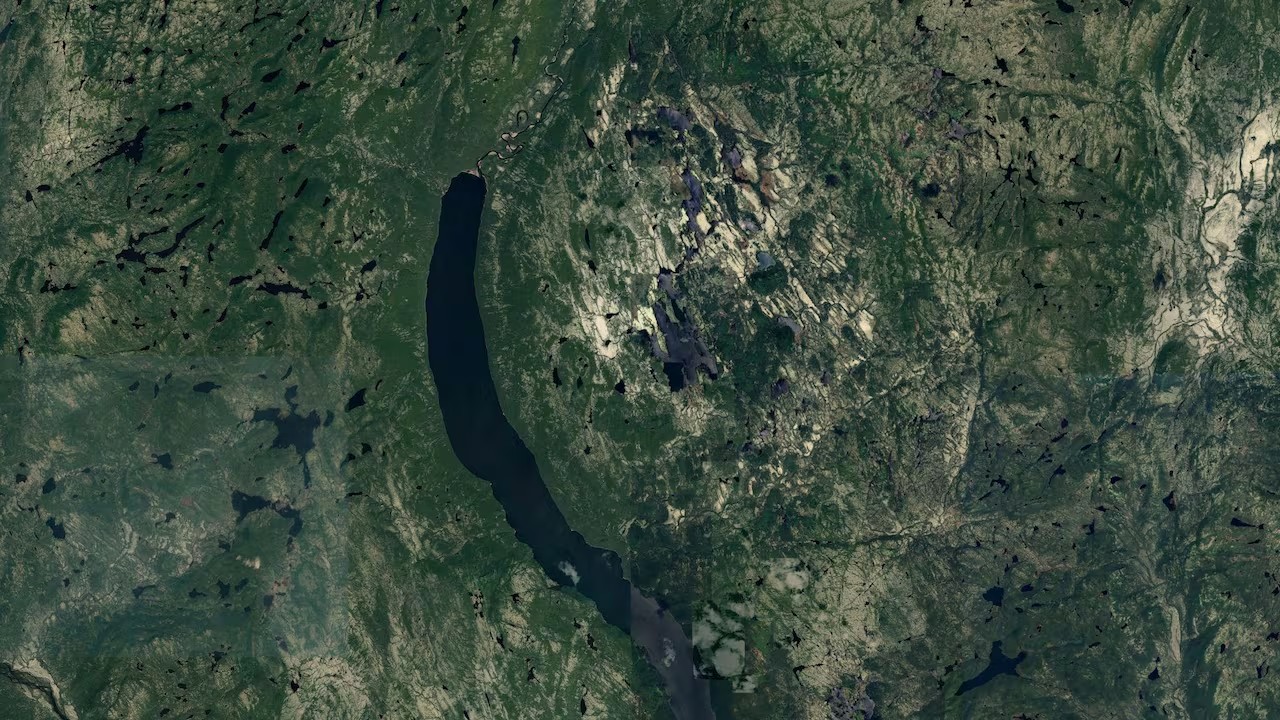
Geoguessing emerged in the last decade as a geography game (and later a popular esport) in which players deduce locations from Google Maps imagery. But what about geoguessing something completely undocumented, and one that only trained scientists should be able to recognize?
In that circumstance, amateur astronomer Joël Lapointe should be crowned this year's champion. Using Google Maps to plan a hiking trip in Quebec's Côte-Nord region, Lapointe stumbled upon an indentation that has now been confirmed by scientists to be a 390 million-year-old scar from a gigantic asteroid collision.
"I get lots of messages from the public thinking they have found a crater and 99/100 turn out not to be the case," Gordon Osinski, a professor of planetary geology at Western University in Canada who confirmed the find, told Live Science in an email. "This is one of those rare examples that shows this is possible."
If you're looking for things to keep you busy over the weekend, here's a selection from our best opinion pieces, interviews, diagnostic dilemmas and crosswords that we published this week.
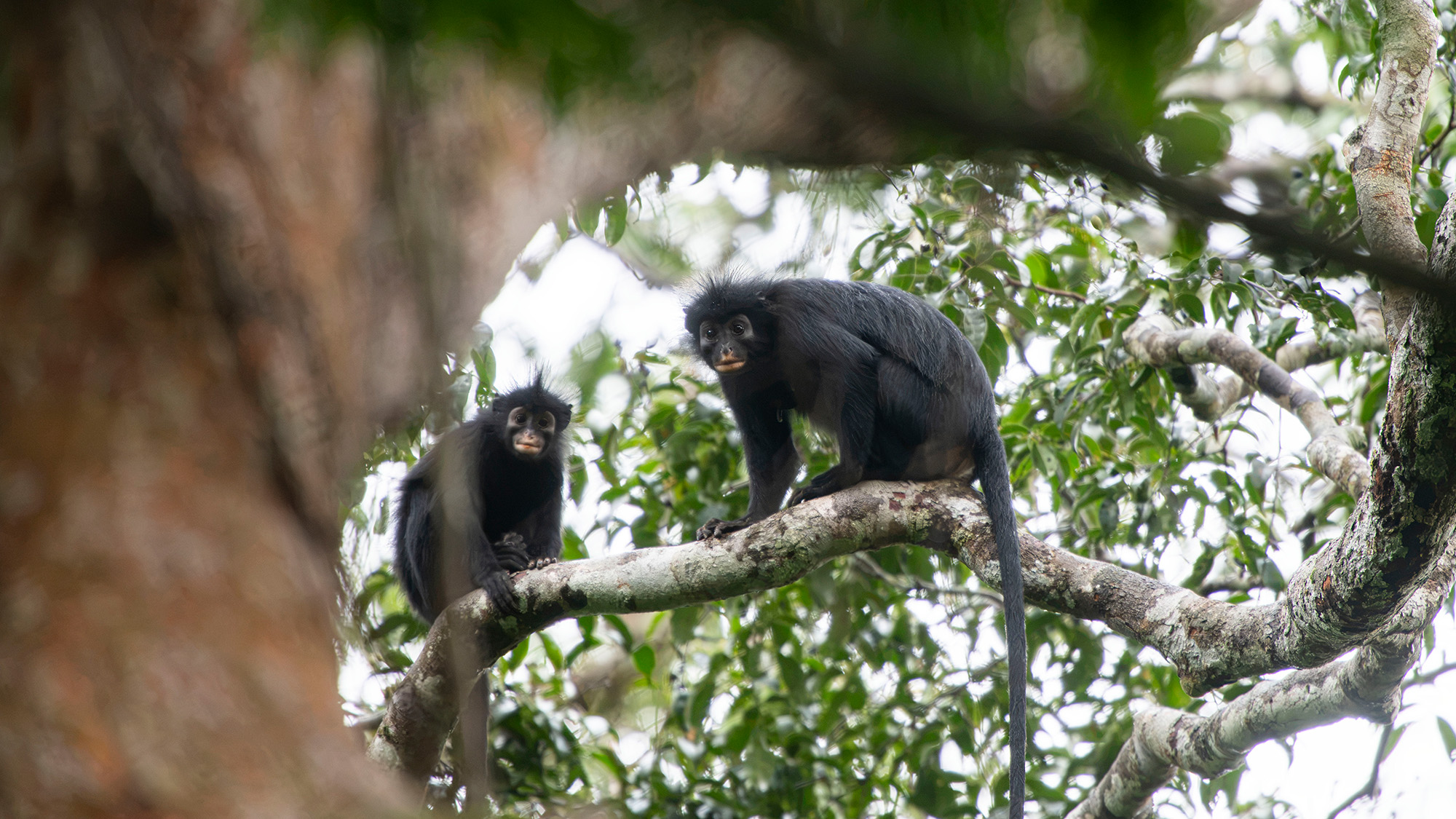
Named Colobus congoensis after the remote region of the Democratic Republic of the Congo where it was found, this striking newfound species has orange lips and makes unique roars and snorts.
The monkey's discovery is remarkable, most of all because finding new primates is extremely rare — with only five new ones being identified in Africa over the past 75 years — and also because of its relatively large size. Pinning down the species took years of careful tracking and documentation, alongside work with people from eight local villages who had knowledge of it.
Besides being a cool find in its own right, the discovery points to there being potentially many more undiscovered mammals, fish, reptiles and plants hidden inside the Congolian rainforest.
Science news this week: Gold tongues discovered in tombs, sugar found in space, a new monkey identified in the Congolian rainforest, and ancient impact crater 'geoguessed' by an amateur astronomer























 English (US) ·
  French (CA) ·
  French (FR) ·