

 2 days ago
2
PROTECT YOURSELF with Orgo-Life® QUANTUM TECHNOLOGY
Orgo-Life the new way to the future Advertising by AdpathwayCan I add my voice to the expression of considerable disquiet at the BBC’s proposal to eliminate the post of education editor, instead combining responsibility with that of social affairs (BBC News to axe education editor role in cost-cutting move, 22 October). These two distinct areas of public life are critical to our understanding – under the remit of the BBC charter – to educate and inform, as well as entertain.
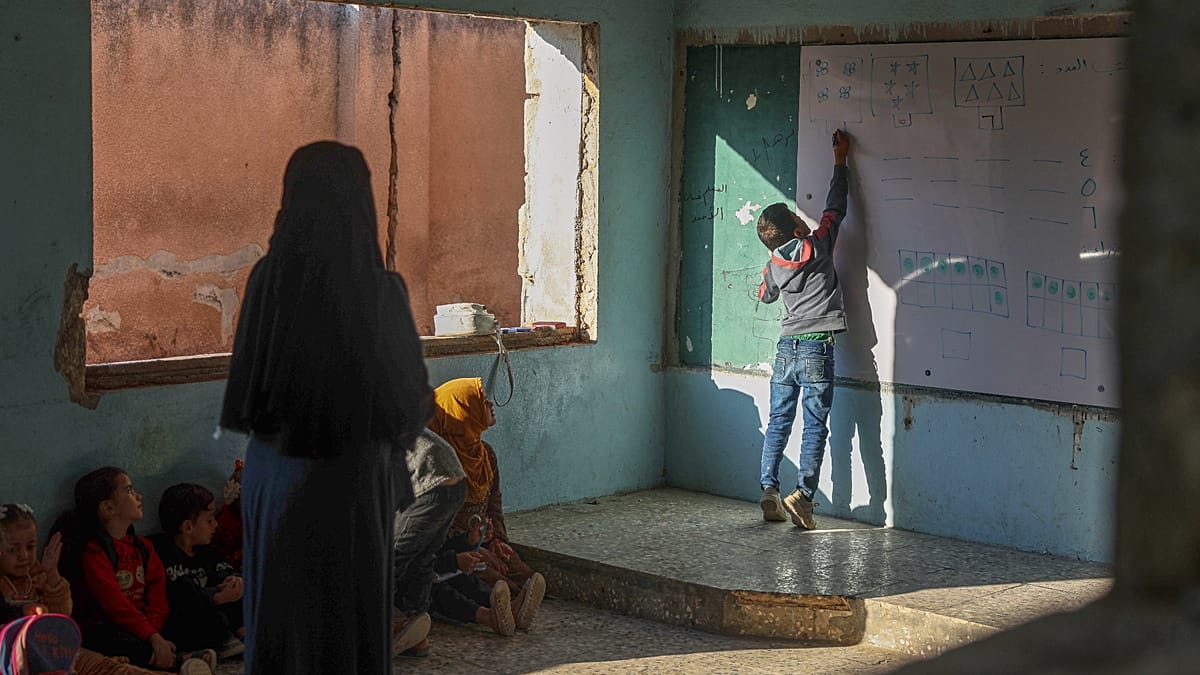
The requirement to take education seriously surely requires someone with deep understanding of this complex area, which affects every single person in the country: from the moment they’re born, all the way through lifelong learning and the current challenges of artificial intelligence and robotics.
Some readers will remember the great Mike Baker, who was a practitioner as well as an informer; an experienced and extremely erudite broadcaster who brought alive the elements of the education debate which, when I was the education and employment secretary, were described as the then-government’s top three priorities: “Education, education, education.”
The proposition to downgrade the standing and the acquired experience necessary to present to the public speaks volumes not only about BBC priorities, but about the state of our public dialogue.
David Blunkett
Labour, House of Lords
It is retrograde of the BBC to downgrade its education coverage. Educational changes and debates are news. They need nuanced analysis. While it is true that they fit into a wider spectrum of social issues, all electors deserve journalists devoted to this coverage.
When I was the Guardian’s education correspondent from 1968 to 1972, when debates raged on comprehensive schools and there were student sit-ins and a teachers’ strike, it would have been inconceivable if there had not been a full-time BBC education correspondent.
People as different as Margaret Thatcher, then education minister, and Jack Straw, then a student leader, became household names thanks to TV, radio and journalism. The BBC should think again.
Richard Bourne
London








 English (US) ·
 French (CA) ·
 French (FR) ·