

PROTECT YOURSELF with Orgo-Life® QUANTUM TECHNOLOGY
Orgo-Life the new way to the future Advertising by AdpathwaySponsored by and developed in part with support from Ferring Pharmaceuticals.
Food is one of our favorite parts of the holidays. But when our gut health isn’t at its best, enjoying some of our favorite dishes and desserts can actually make us feel worse. As someone who’s had her fair share of gut issues after taking a course of antibiotics for Lyme disease over a decade ago, I can tell you it’s no party. C. diff infection, short for Clostridioides difficile infection, affects the gut and can be particularly challenging to deal with this time of year.
Here we have some simple tips and tricks to manage your symptoms through the holidays so that you, or someone you love, can still enjoy the season.
The short answer: C. diff thrives when antibiotics wipe out the good bacteria that normally keep it in check. Most cases happen during or shortly after a course of antibiotics, and it’s especially common in people 65 and older or anyone who’s spent time in a hospital or care facility. The good news: a few simple diet swaps (less greasy, raw, and high-fiber food, more lean protein, broths, and well-tolerated probiotics) can make holiday meals a lot easier to get through.
Key takeaways
- C. diff often follows antibiotic use, since antibiotics can wipe out the good gut bacteria that normally keep it in check.
- Risk goes up with age (65+), weakened immunity, and recent hospital or care-facility stays, and it’s contagious.
- Greasy, raw, high-fiber, and high-lactose foods tend to make symptoms worse; lean protein, broths, and easy-to-digest starches tend to help.
- Naturally fermented foods with live cultures (yogurt, kefir, sauerkraut, miso) can help rebuild the gut microbiome, if tolerated.
- Watery diarrhea three or more times a day, fever, or a fast heart rate are reasons to call a doctor right away.
Our digestive tracts, commonly referred to as our “gut,” are home to a variety of good, and sometimes bad, microorganisms. Together they make up our gut microbiome. The good guys help us immensely: they provide us with much of our immunity, keep the gut lining healthy, produce some B vitamins as well as vitamin K, and break down complex plant fibers so the body can use them for energy. They also crowd out harmful microbes and are crucial to helping us stay healthy. Without enough of these good “bugs,” an imbalance occurs, leaving room for more harmful microbes to take over and make us sick.
C. diff is one of these not-so-helpful bad guys. This bacteria can take hold deep inside the gut and cause a variety of nasty symptoms that can make celebrating the holidays difficult.
How Does Someone Get C. diff?
C. diff often affects seniors, but the rest of us aren’t totally immune.
C. diff can affect anyone who:
- Is taking or has recently taken antibiotics
- Has a weakened immune system
- Is 65 years of age or older
- Has spent time in a hospital or long-term care facility (a nursing home, for example)
Although sometimes necessary, antibiotics wipe out both the bad and good bacteria in our systems. If the good bacteria aren’t replenished, this can trigger the imbalance that gives C. diff the green light to take over.
Worth knowing: most C. diff infections happen during or shortly after a course of antibiotics, according to the CDC’s patient fact sheet. And once you get C. diff, it’s not uncommon to fall into a cycle of recurring infections, known as recurrent C. diff, which usually occurs between 2 and 8 weeks after the first infection.
C. diff is also very contagious and can become a serious health threat to others living in the same home or space. It can even be spread by healthy individuals.
Read up on the CDC’s tips to reduce the spread of infection if you or someone in your household has been diagnosed.
“Washing your hands with soap and water is the best way to prevent the spread of C. diff.”
CDC, Preventing C. diff
What Are The Symptoms Of C. diff?
Depending on the severity of your infection, symptoms of C. diff can include:
- Watery diarrhea, 3 or more times per day
- Nausea
- Fever
- Rapid heart rate
- Abdominal pain or cramping
- Dehydration
- Depression due to recurring infections
See Mayo Clinic’s full rundown of C. diff symptoms and risk factors for more detail, and the CDC’s guide to recognizing C. diff infection at home if you’re trying to figure out whether what you’re feeling fits the pattern.
If you recognize any of these symptoms in yourself or a loved one, be sure to make an appointment with your doctor immediately to get a proper diagnosis. C. diff can potentially lead to serious health issues if not treated properly.
The effects of recurrent C. diff sometimes go beyond physical pain. It can trigger depression and other mental health concerns, too. If you’re dealing with mental health concerns alongside this, please contact a mental health professional for guidance and support.
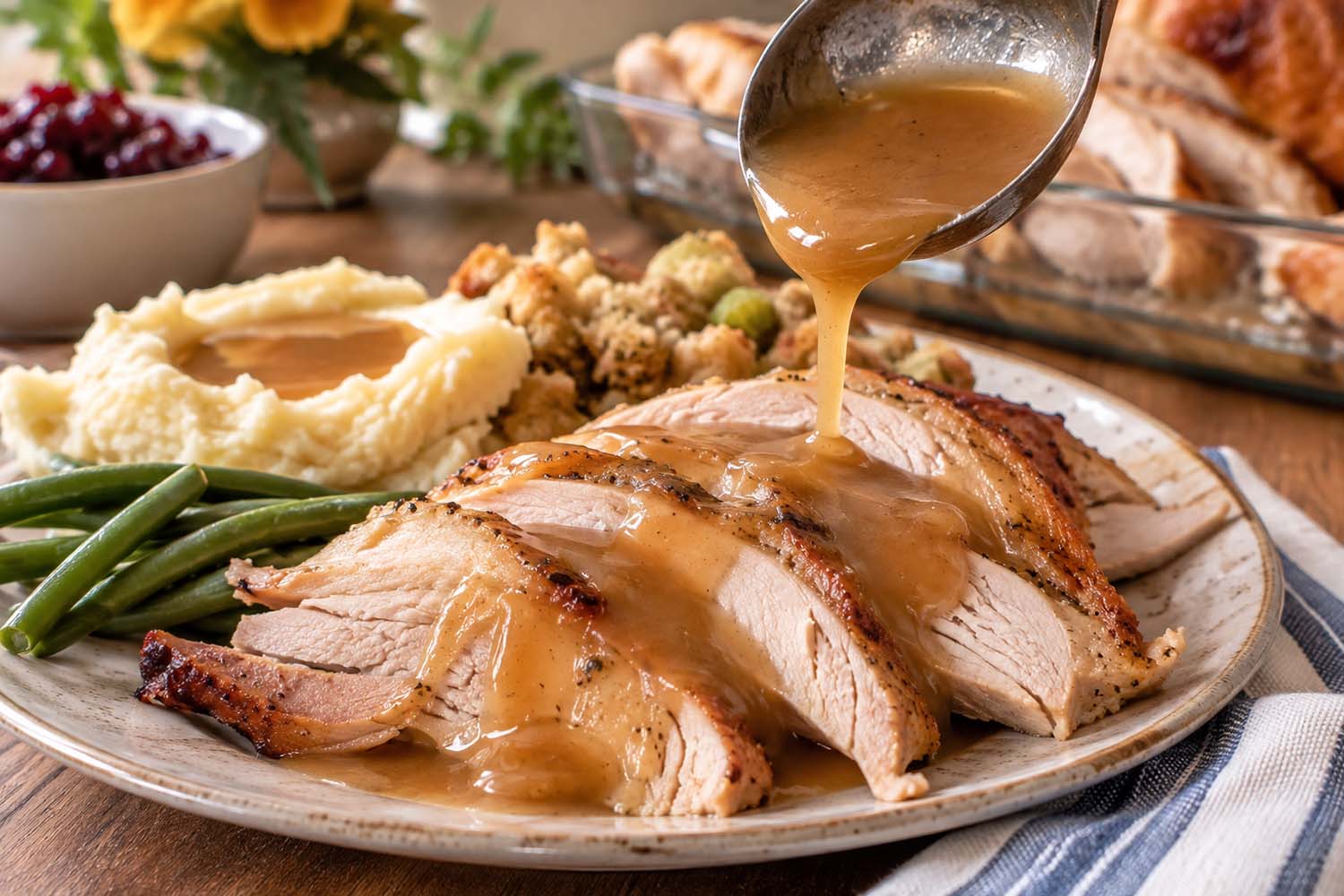
 A holiday dinner doesn’t have to be off the table. Roast chicken and steamed green beans are both gentle, C. diff-friendly choices.
Eating Through The Holidays With C. diff
Food and eating can become a source of anxiety for people with C. diff. Not only do C. diff sufferers have to drastically change their diet, but some of the foods and ingredients found in our favorite holiday dishes can rile up symptoms.
C. diff can make celebrating the holiday season, centered as it is around those food-fueled gatherings we all love, stressful and difficult.
What Foods Should You Avoid With C. diff?
As with any infection, a healthy diet and good nutrition are helpful ways to support your gut health. But before we get into what you should eat with C. diff, let’s discuss what foods and drinks you should avoid to minimize symptoms and help you heal.
FOODS TO AVOID WITH C. diff:
Greasy foods and unnatural oils, including:
- Margarine
- Olean and Olestra
- Fried dishes
Foods high in insoluble fiber, like:
- Wheat
- Barley
- Brown rice
- Nuts and seeds
- Cucumbers, peas, and tomatoes
Raw cruciferous veggies, including:
- Broccoli and cauliflower
- Cabbage
- Kale
- Arugula
- Onions
Unpeeled or raw fruits, like:
- Unpeeled apples and pears
- Cranberries
- Berries
- Prunes
- Dates
Dairy products with high amounts of lactose, like:
- Cow’s milk
- Ice cream
- Soft cheeses like brie
Sweets, sugary, or spicy foods, including:
- Cakes, cookies, and pies
- Hot peppers and hot sauce
Caffeine-containing drinks, like:
- Coffee
- Soda
Foods And Drinks To Enjoy With C. diff
While enjoying these foods, it’s best to eat and drink in smaller portions but more frequently throughout the day.
These recommendations are generally okay, but avoid any food you find worsens symptoms, and ask your doctor about what you can eat during and after C. diff.
Lean protein, including:
See also
- Turkey
- Chicken
- Eggs
Calcium sources, including low-lactose or non-dairy milks and cheeses, if tolerated, like:
- Mozzarella
- Swiss
- Feta
- Parmesan
- Hemp, soy, almond, flax, or oat milk
Foods with soluble, easy-to-digest fiber, including:
- Oatmeal, oats, and flaxseed
- Bananas
- Oranges
- Peeled apples and pears (peeling reduces hard-to-digest fiber)
- Carrots
Easy-to-digest starchy foods, like:
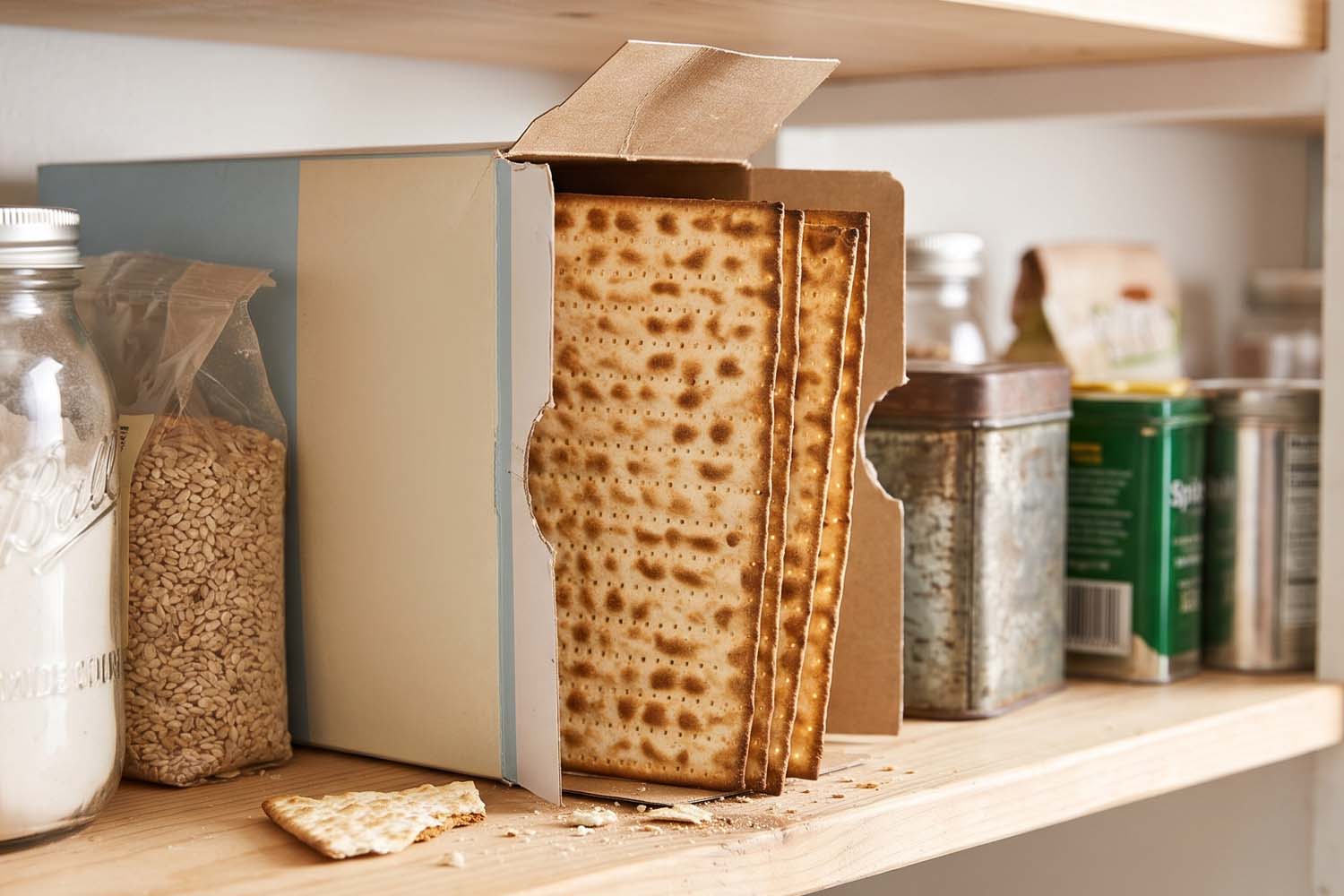
- White bread, toast, pretzels, and crackers
- Mashed potatoes (without butter or cream)
- Noodles
- White rice
Healthy grains:
- Quinoa
- Millet
- Buckwheat
Gut-friendly spices, like:
- Cinnamon
- Garlic
- Ginger
- Turmeric
Naturally fermented foods that are easy to digest and provide probiotics that can help rebuild your microbiome:
- Sauerkraut
- Kimchi
- Tempeh
- Kefir
- Yogurt
- Pickles
- Miso
Note: food labels will indicate if they’re naturally fermented or provide live active cultures. Pickles or sauerkraut made with vinegar, for example, don’t provide the same probiotic benefits. For more on this, see our guide to the health benefits of sauerkraut.
 Pumpkin soup is an easy, warming way to get calories and nutrients in when bigger meals feel like too much.
Soups, bone broths, and stocks can nourish and hydrate your body while replacing electrolytes. Try:
- Bone broth
- Chicken noodle soup
- Miso soup (miso is fermented, which means it comes with added probiotics)
- Pumpkin soup
Stay Hydrated!
- Drink at least 8 to 10 glasses of water per day in divided amounts to keep your body hydrated.
- Avoid overly hot or cold water.
- Try herbal teas that are decaffeinated.
- Juiced veggies like celery are healthy and can boost nutrients.
A Sample Holiday Menu For C. diff
| Appetizer | Deviled eggs, plant-based or tolerated dairy cheese and crackers, carrot sticks with yogurt herb dip |
| Soup | Pumpkin soup |
| Dinner | Roast chicken with steamed green beans and lactose-free mashed potatoes |
| Side dish | Cornbread and apple sauce |
| Dessert | Oatmeal cookies, vegan pumpkin pie, or cinnamon baked apples with oatmeal crumble |
To learn more about C. diff and how to manage it, visit the CDC’s C. diff resource hub.
Further Reading

Better Living may earn commissions through affiliate links and may occasionally feature sponsored or partner content. If you make a purchase through our links, we may receive a small commission at no cost to you.



















 English (US) ·
 French (CA) ·
 French (FR) ·