

 2 months ago
22
2 months ago
22
PROTECT YOURSELF with Orgo-Life® QUANTUM TECHNOLOGY
Orgo-Life the new way to the future Advertising by AdpathwayBeyond Nostalgia
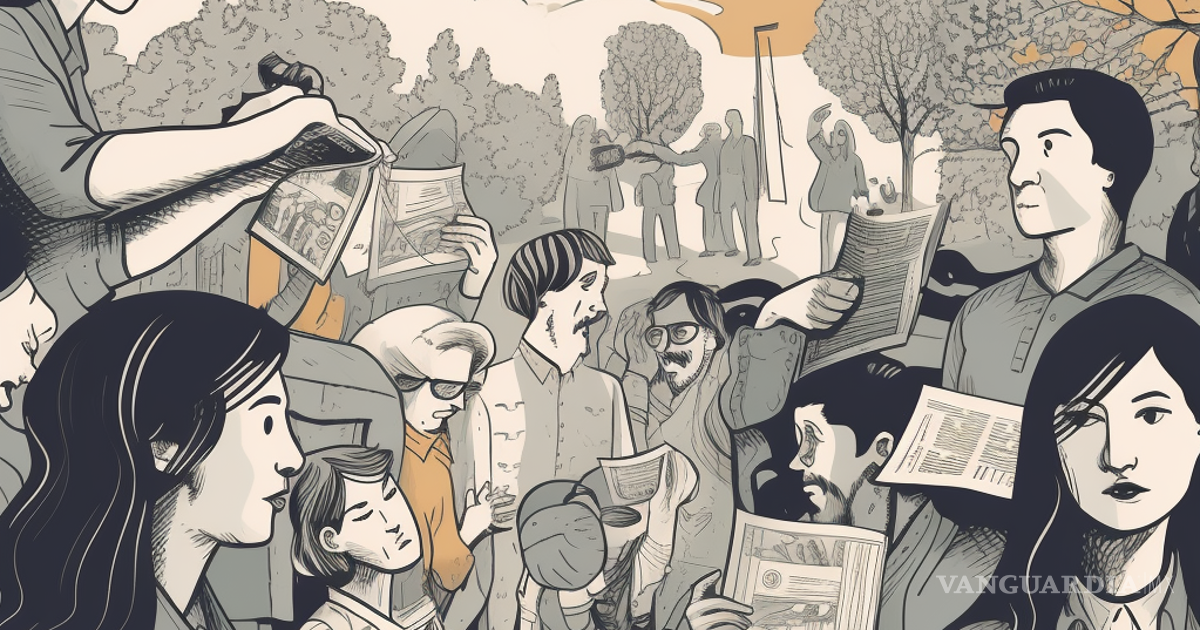
It is common to hear that the generations born in the 60s and 70s are “built differently.” However, modern psychology suggests that their strength wasn’t the result of superior or stricter parenting, but rather a decisive environmental factor: the autonomous management of emotions.
Unlike today’s hyper-scheduled childhoods, children of those decades grew up in the empty spaces left by adult supervision.
1. The Street as the First Social Court
Without adults mediating every dispute, the park or the sidewalk became laboratories of human behavior. If a child wanted to participate in a game, they had to learn to:
Constantly negotiate rules.
Read the body language of their peers to avoid conflict.
Solve technical and social problems without running to a higher authority.
This early autonomy wasn’t a designed educational plan; it was an environmental necessity that strengthened their ability to respond to adversity.
2. The Therapeutic Value of Boredom
Today, boredom is fought with a screen in a matter of seconds. In the 60s and 70s, boredom was a constant that forced self-regulation.
Psychology explains that by not having instant gratification, these children developed a high tolerance for frustration. Creativity wasn’t just a hobby; it was the necessary tool to manage their time and mood internally.
3. Self-Efficacy: “I can solve this”
One of the pillars of mental health is self-efficacy: the conviction that one possesses the tools to influence their own life. By facing small physical and social risks without a safety net, this generation integrated a powerful message: if something goes wrong, I have the capacity to get up and keep going.
Strength or Emotional Armor?
However, this model also had its shadows. This “self-management” was often practiced in absolute loneliness. While it created resilient and resourceful adults, in many cases, it also fostered emotional armor. The unspoken rule was to not be a bother and to solve problems in silence, which sometimes makes expressing vulnerability difficult in adulthood.
Finding the Necessary Balance
Neither the total lack of supervision of the past nor the “helicopter parenting” of today seems to be the definitive answer. The great lesson left by the 60s and 70s is that space and trust are vital. For a child to develop solid emotional skills, they must be allowed, from time to time, to be their own guide.
What do you think? Do you believe we have lost that capacity for self-management in younger generations, or have we gained in mental health by being more present? Leave us a comment!

- Advertisement -





















 English (US) ·
  French (CA) ·
  French (FR) ·