

 2 months ago
88
2 months ago
88
PROTECT YOURSELF with Orgo-Life® QUANTUM TECHNOLOGY
Orgo-Life the new way to the future Advertising by AdpathwayAnalysis · Currencies
Key Facts
- —Joint action Japan’s MoF bought yen on 31 July 2026 in coordination with the US Treasury.
- —Euro-funded move The NY Fed sold euros from US reserves to buy yen, per Reuters.
- —Size estimate Japan may have spent up to US$36.58bn in the joint episode, per Reuters.
- —Argentina precedent Treasury’s ESF swap/loan line to Argentina was repaid in full, per Treasury disclosures.
- —Reaction to volatility Tokyo said the action countered ‘excessive volatility and disorderly movements’.
- —LatAm exposure Mexico, Brazil, Chile, Colombia, and Peru are exposed to US reserve-policy signals.
- —Tool of last resort The ESF is a Treasury-controlled emergency FX fund that bypasses Congress.
A US$2.5bn lifeline to Argentina, then a euro-funded yen rescue. The US Treasury’s quiet war chest is back, and every LatAm currency now lives with that fact.
One-stop reference
Company Intelligence
Every listed company in Latin America — financials, ownership and structure for 1,450+ companies across 26 exchanges, in one place.
Washington Rediscovers Intervention is the quiet story reshaping currency markets from Buenos Aires to Tokyo. On 31 July 2026, the US Treasury sold euros from its own reserves to buy yen alongside Japan.
A tool not used in a generation. For Latin America.
The signal is direct: the same fund that steadied the Argentine peso is now a standing variable in global FX.
Washington Rediscovers Intervention: The July Day the Treasury Acted Like It Was 1998
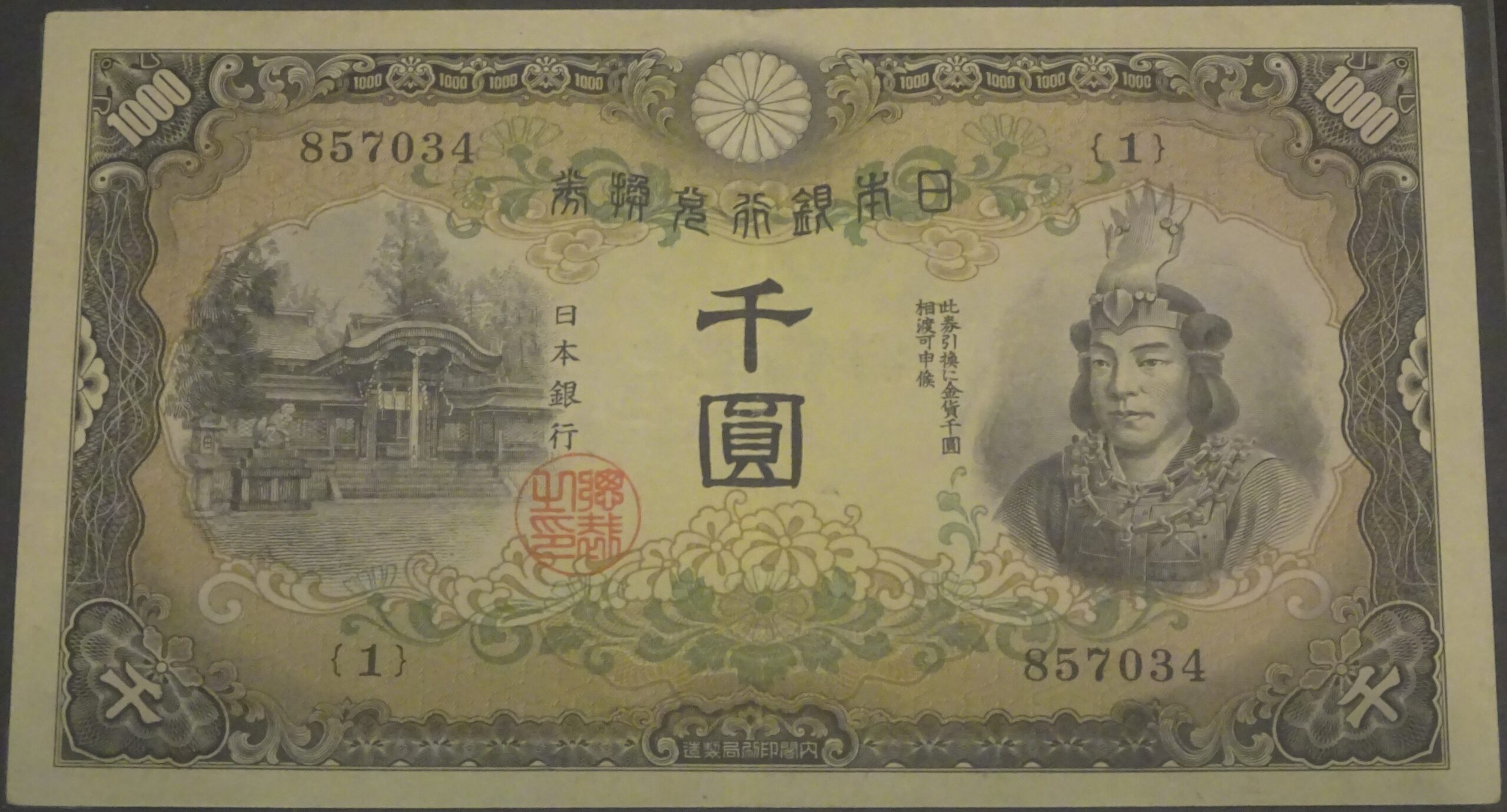
Japan’s Ministry of Finance said on 3 August 2026 that it bought yen on Friday 31 July. It did so ‘in coordination with the US Department of the Treasury,’ according to the official statement.
Reuters reported on 3 August that the US leg ran through the Federal Reserve Bank of New York. It sold euros to buy yen on the Treasury’s behalf.
That is a highly unusual reserve-to-reserve move, not a standard dollar-funded operation. The yen had been under sustained pressure, with markets testing multi-decade lows earlier in the summer.
Tokyo’s patience had visibly worn thin by late July, per financial press accounts from the period. What makes the euro leg significant is that it avoids adding to dollar supply.
The Treasury essentially used a foreign asset to support another foreign currency, a sign of creative balance-sheet management. Analysts at major banks noted the operational complexity involved, as the NY Fed had to coordinate with European settlement systems.
Such logistics are why reserve-to-reserve moves are rare, per currency strategists cited in the financial press.
What ‘Joint’ Means: From 1998 to Now
Commentary often calls this the first joint purchase since 1998. That precise claim is an analyst inference, not an official statement.
What is verified is that this is the first US-Japan joint yen-buying intervention in many years. The last widely cited coordinated action was in 2011.
And 1998 was the last US support operation for yen, depending on one’s definition of ‘joint. The 1998 episode involved the US buying yen to support Japan during its banking crisis, a memory that looms large in Tokyo.
That operation was dollar-funded, unlike the 2026 euro-based approach. In 2011, the G7 jointly intervened after the tsunami, but the US role was smaller.
The 2026 episode is thus distinct in both scale and mechanics, per Reuters’ comparisons. Japanese officials have historically preferred to act alone, making the US coordination all the more striking.
The 31 July action signaled deeper discomfort with the yen’s trajectory, per analysts.
The Motive That Is Not Official: Japan’s US Debt
Some analysts argue Japan joined forces to avoid selling its vast US Treasury holdings. This is a reasonable inference, but it is not the stated official reason.
Tokyo’s official line, per its 3 August statement, was to counter ‘excessive volatility and disorderly movements’ in the yen. Stick to that for the official record.
Japan holds over US$1 trillion in US Treasuries, making it a major creditor nation. Selling those holdings to support the yen would risk disrupting global bond markets, per analysts.
The euro-funded approach may offer a workaround, using non-dollar reserves instead. This preserves Japan’s dollar stockpile while still addressing currency pressure, per currency desk commentary.
A separate Japanese intervention on 12 July 2026, not involving the US, was reported by the Tokyo press. The 31 July action thus represented a policy escalation, not a first attempt.
CNBC and Bloomberg both noted that Japan’s finance ministry declined to confirm the 12 July intervention. The contrast with the 31 August confirmation highlights the special nature of the coordinated move.
What Is the ESF? The Treasury’s Emergency War Chest
The Exchange Stabilization Fund (ESF) is the US Treasury’s foreign-exchange war chest. It can lend, swap, or intervene in currency markets without going through the normal congressional appropriations process.
Think of it as a rapid-response fund for financial stress. It can be used for domestic or international purposes, within statutory authority.
The ESF was created by the Gold Reserve Act of 1934, giving it a unique legal status. Its balance sheet includes dollars, foreign currencies, and Special Drawing Rights, per Treasury disclosures.
The fund’s history includes the 1994 Mexican peso crisis, when it provided a US$20bn facility. That episode remains a defining precedent for LatAm markets.
Council on Foreign Relations research has described the ESF as a tool with ‘immense flexibility. ‘ Its US$200bn-plus balance allows for significant market action without legislative friction.
The PIIE has noted that the fund’s opacity can cause uncertainty for markets. This lack of transparency is part of what makes its deployment so consequential.
Congress receives only quarterly reports on ESF activities, limiting oversight. This creates a distinct governance structure compared to standard fiscal policy.
The Buenos Aires Precedent: A Loan Repaid in Full
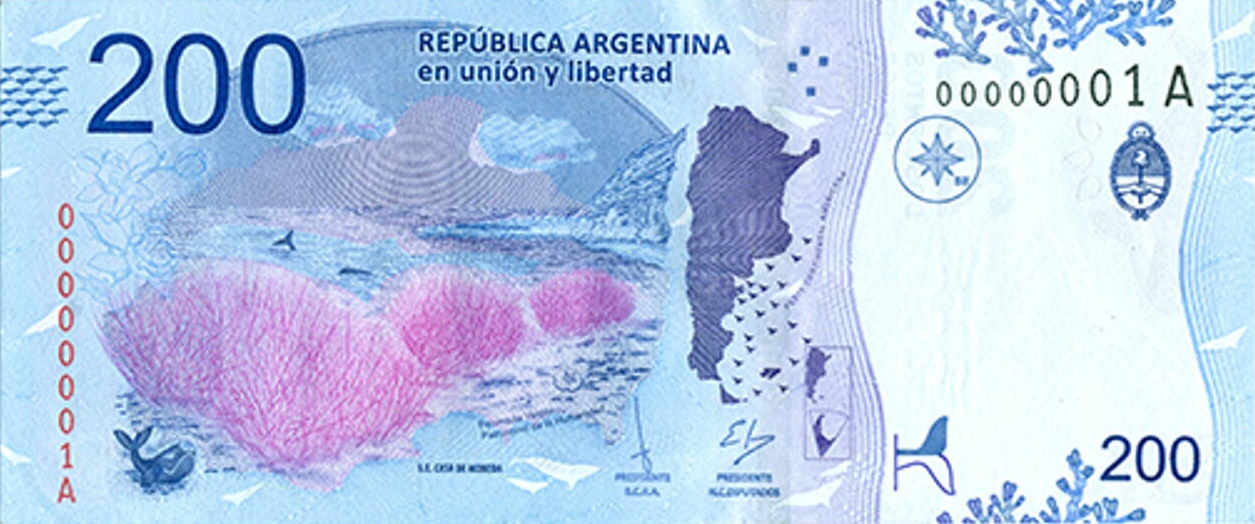
Less than a year before Tokyo, the same ESF was used to steady the Argentine peso. Treasury did extend an ESF swap or loan line to Argentina, and it was repaid in full, according to Treasury disclosures.
Secondary reporting has estimated the amount at around US$2.5bn, but the exact figure should be attributed to Treasury’s own statement. The lesson for investors is that Washington can deploy this tool, and unwind it when conditions permit.
The Argentine operation was first reported in late 2025, when the peso faced severe pressure amid political turmoil. The US Treasury’s quiet support provided a crucial backstop, per regional financial press.
Treasury Secretary Scott Bessent’s team had privately framed the Argentine move as a targeted stabilization effort. The repayment was completed ahead of schedule, sources told Bloomberg.
The Argentine central bank used the funds to support its dollar reserves, which had been critically depleted. The repayment was made from a combination of export revenues and fiscal adjustments.
The success of the Argentine operation likely emboldened Treasury officials to consider the yen rescue. One positive default experience often leads to policy replication.
Why This Matters for the Mexican Peso and Brazilian Real
For Latin America, the signal is larger than the balance sheet. If Treasury is willing to use the ESF for a partner country, markets may infer a broader tolerance for intervention.
Mexico is exposed through the peso’s sensitivity to US policy and carry trades. Brazil is exposed through the real’s dependence on global dollar liquidity and commodity risk appetite.
Chile, Colombia, and Peru can reprice quickly when reserve-policy signals shift, especially during risk-off episodes. A senior LatAm-focused economist at a New York bank told the FT that the region should read this as a policy shift.
The Treasury is signaling it is willing to act beyond its traditional remit. Mexico’s unique relationship with the US, both geographical and commercial, makes it a prime candidate for similar support.
The 1994 ESF facility for Mexico remains a model, per CFR analysis. Brazil’s central bank has traditionally preferred to intervene through reserves rather than swaps.
However, a more active US Treasury provides an additional layer of global liquidity, per PIIE commentary.

The Mechanism: How Reserve Policy Shifts Risk Premia
The practical channel is straightforward. When US authorities show a willingness to stabilize a strategic currency via reserves, it can compress risk premia temporarily for LatAm currencies.
But it can also increase volatility if markets start pricing in policy asymmetry. This is not a one-way bet for the region.
For carry traders, the new backstop lowers the tail risk of sharp yen-strengthening episodes. This can encourage risk-taking in high-yield currencies like the real and peso, per currency desk analysis.
However, the signal also implies that the US will respond to geopolitical crises. If markets believe the Treasury is less constrained, they may price in more intervention, creating feedback loops.
The Mexico peso has historically been highly correlated with US financial conditions. A change in US intervention policy therefore has outsized effects on Mexican assets, per PIIE research.
Brazil’s real has shown more idiosyncratic behavior, driven by domestic politics. Nonetheless, the dollar-liquidity channel remains potent, especially for emerging markets.
Who Benefits, Who Is Exposed in Latin America
Argentina is the most directly relevant precedent, as local investors have already seen this play run. The US dollar backstop exists, but it is conditional on geopolitical alignment.
For commodity exporters like Chile and Peru, the effect is indirect but real. A more active US Treasury changes the calculus for dollar funding and reserve management across the region.
Mexico stands out as a possible next candidate for ESF support if it faced acute stress. Its proximity and trade integration make it a strategic priority for Washington.
Colombia has less established financial ties with the US Treasury, leaving it more exposed to market turbulence. Its currency has shown high beta to dollar moves, per regional data.
Peru’s central bank has strong reserves and frameworks, making it less reliant on external backstops. However, the signaling channel can still affect external borrowing costs.
The context of rising regional volatility, with LatAm corporate spreads widening in 2026, underlines the importance of this tool. The FT noted that US policy now effectively serves as a standby stability mechanism.
Frequently Asked Questions
What is the Exchange Stabilization Fund (ESF)?
It is a Treasury-controlled emergency fund for currency markets. It allows the US to intervene without needing new congressional approval each time.
Did the US really use euros to buy yen?
Yes, according to Reuters and other reporting on 3 August 2026. The New York Fed sold euros on behalf of the Treasury to buy yen, which is a reserve-to-reserve move.
Is this the first intervention since 1998?
That specific claim is an analyst inference. The verified fact is that it is the first US-Japan joint yen-buying intervention in many years.
What does this mean for the Argentine peso now?
It shows the US can and will deploy a backstop for strategically important partners. However, it was a loan, repaid in full, not a gift, so it is a temporary stability tool, not a permanent floor.
Why should a Brazilian or Mexican investor care?
Because US reserve policy affects global dollar liquidity and risk appetite. A more active Treasury can change risk premia for the real and the peso, creating both short-term relief and longer-term volatility.
Sources: Reuters, FT, Japan Ministry of Finance, US Treasury, CNBC, Bloomberg, WSJ, CFR, PIIE

























 English (US) ·
  French (CA) ·
  French (FR) ·