

 1 month ago
70
1 month ago
70
PROTECT YOURSELF with Orgo-Life® QUANTUM TECHNOLOGY
Orgo-Life the new way to the future Advertising by Adpathway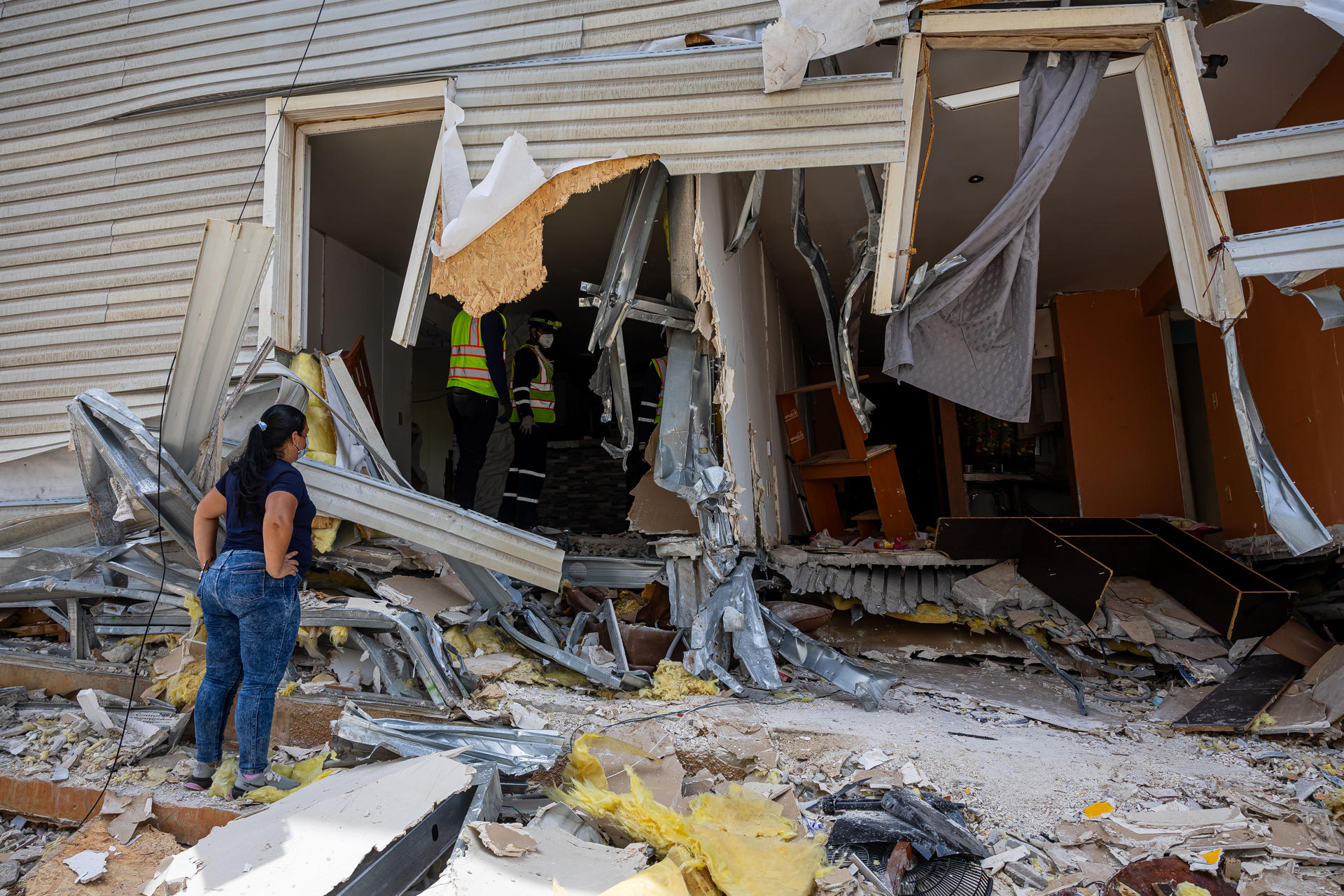
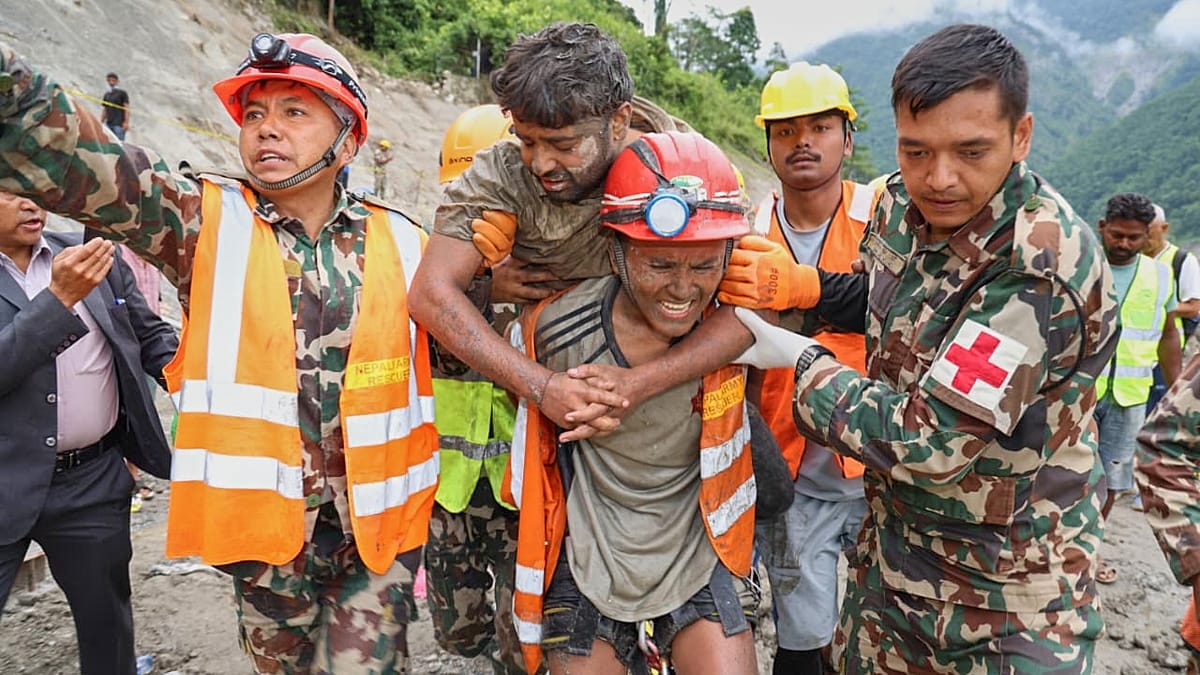
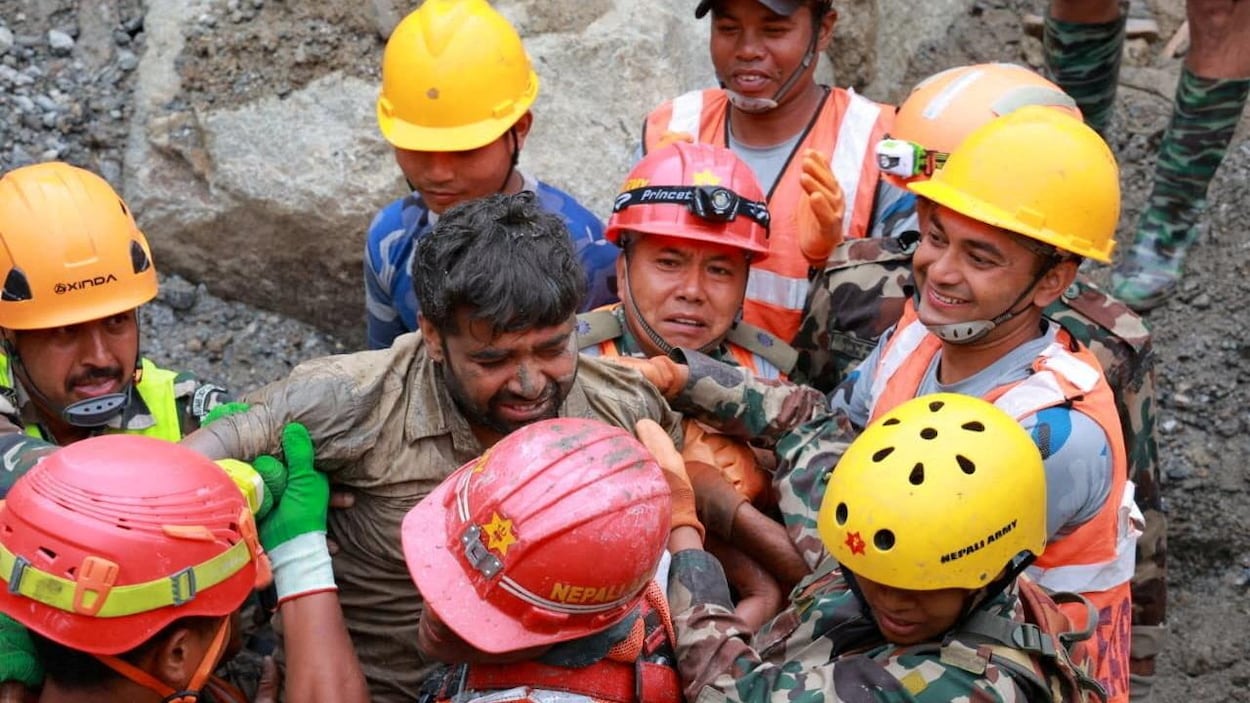
Rescatistas y ciudadanos fueron captados este 30 de junio al continuar con las labores de búsqueda y remoción de escombros en un edificio afectado por los terremotos del pasado 24 de junio, en La Guaira (Venezuela). EFE/Miguel Gutiérrez
As a Venezuelan clinical psychologist and political scientist who has experienced violence firsthand and worked with people who have lost loved ones to everyday and political violence, I can attest that the so-called five stages of grief do not help us understand what we are experiencing after June 24.
Elisabeth Kübler-Ross proposed these stages as a theoretical device to make sense of the thoughts and emotions of terminally ill hospitalized patients. But the particularities of our collective psychological trauma, shaped by the earthquake and its intertwined political dimension, require us as people, activists, and especially mental health professionals to think about trauma and loss differently.
I will briefly outline four dimensions that I think can help us understand this moment psychologically and politically in the Venezuelan context.
The first dimension in working through trauma and loss is safety. People cannot make sense of their experience in unpredictable environments. Our brains tend to search for patterns that help us understand how to respond to new settings that first appear chaotic. When these settings remain dangerous and unpredictable, the psychological elaboration of what happened becomes futile.
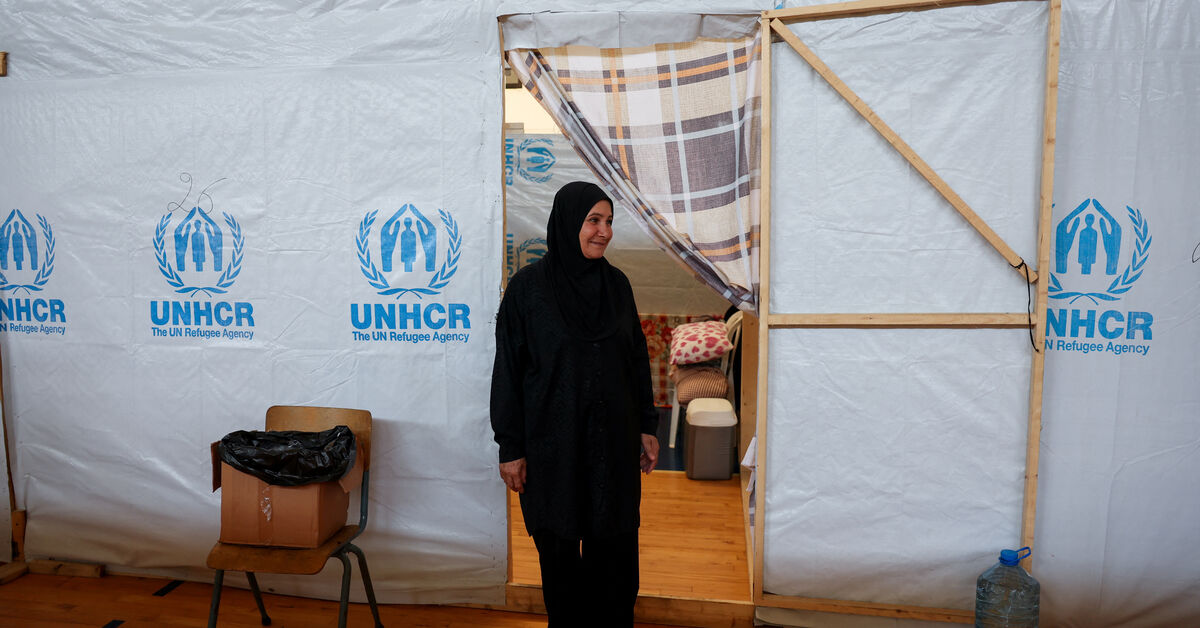
In other words, before we start talking about our wounds and what we lost, we need an external environment that allows us to think and feel beyond immediate demands. That is why making sure humanitarian aid reaches those who need it, and creating safe shelters, also matters at the psychological level.
Shelters need clearly delimited spaces and roles, with people who can get to know each other and build a community, at least in the short term.
Politically, this requires people who hold power to act transparently, make regular announcements, and avoid adding or changing rules arbitrarily according to their own needs. Predictability also requires the government to stop chaotic political persecution and censorship.
Once people can inhabit good-enough safe places, they and those who support them can hold the full range of experiences that come with losing a loved one. A superficial understanding of the five stages of grief suggests that people go through these emotions in a fixed order, perhaps with some setbacks, and that “acceptance” represents the most sophisticated form of grieving. Nothing could be further from the truth. People who lose loved ones also lose a part of themselves. The fairest way of working through grief involves moving back and forth across the full range of emotions that the situation demands.
Sadness, denial, and anger will come and go within us periodically.
I will never forget one participant in a group of grieving women who had lost their sons to criminal violence. Every year, on the anniversary of her son’s death, she would sing a song that she used to sing with him from the window of her house, hoping that he would come back. She only did this once a year, but allowing herself that moment of sadness and denial had deep psychological meaning for her. She taught me that what we can truly work on is our ability to bounce back: once we have made contact with these complex emotions, we can return to the present and think about the future. The time and intensity with which people go through these emotions are personal. We can only acknowledge that these emotions reflect the meaning their loved ones had for them. For this reason, people who hold power have an ethical responsibility to allow this full range of emotions to appear publicly in nonviolent ways. The state should not treat collective demonstrations of grief, with their symbols, emotions, and formation of collective identity, as threats to stability.
As important as allowing ourselves to think and feel broadly is the need to externalize the remembrance of our loved ones. Creating memory spaces in our private and public lives plays a key role in working through trauma and grief.
Psychoanalyst Donald Winnicott understood that physical objects can sometimes work as bridges between our external and internal worlds. Children select external objects that help them manage separation from their caregivers. We should acknowledge that meaningful losses, especially traumatic ones, shake our foundations. Maybe we can learn from children how to cope with them. External spaces with photos, art, or other symbols can help us work through this range of emotions.
When I worked with families who lost a member during the waves of extrajudicial killings known as OLPs, many of them had altars for their loved ones or kept bullet marks on the walls of their homes as evidence of what happened. They did so with the hope that the name of their loved one would be cleared, and that the state would formally acknowledge that it committed a human rights violation. Once again, people in government should facilitate, not criminalize, society’s attempts to create spaces of remembrance and mourning. These spaces are key to working through this collective tragedy.
Finally, as a society, we need accountability and guarantees of non-repetition.
Evidence-based policies show that restorative approaches to justice can be effective in the short and long term. Knowing that the truth prevails, and that society will hold those responsible for negligence and abuse accountable, has deep psychological meaning. It matters as much as the previous three dimensions. When we have accountability, we can make a precise diagnosis of what we should do at the institutional level. We can create rules as a society and build the physical conditions needed to prevent another catastrophe like the one we are living through.
What we need to understand is that any attempt to rebuild physically without accountability will remain prone to repeating the same mistakes of the past.

















 English (US) ·
  French (CA) ·
  French (FR) ·