

 1 month ago
19
1 month ago
19
PROTECT YOURSELF with Orgo-Life® QUANTUM TECHNOLOGY
Orgo-Life the new way to the future Advertising by AdpathwaySurely you've heard of RCP 8.5? Maybe not. But it's been in the spotlight since U.S. President Donald Trump who stirred up a conversation about a projection of future climate change that's rarely mentioned by name.
Renewable energy, climate policy contribute to worst-case scenario becoming 'implausible'

Nick Logan · CBC News
· Posted: May 23, 2026 4:00 AM EDT | Last Updated: May 23

Listen to this article
Estimated 6 minutes
The audio version of this article is generated by AI-based technology. Mispronunciations can occur. We are working with our partners to continually review and improve the results.

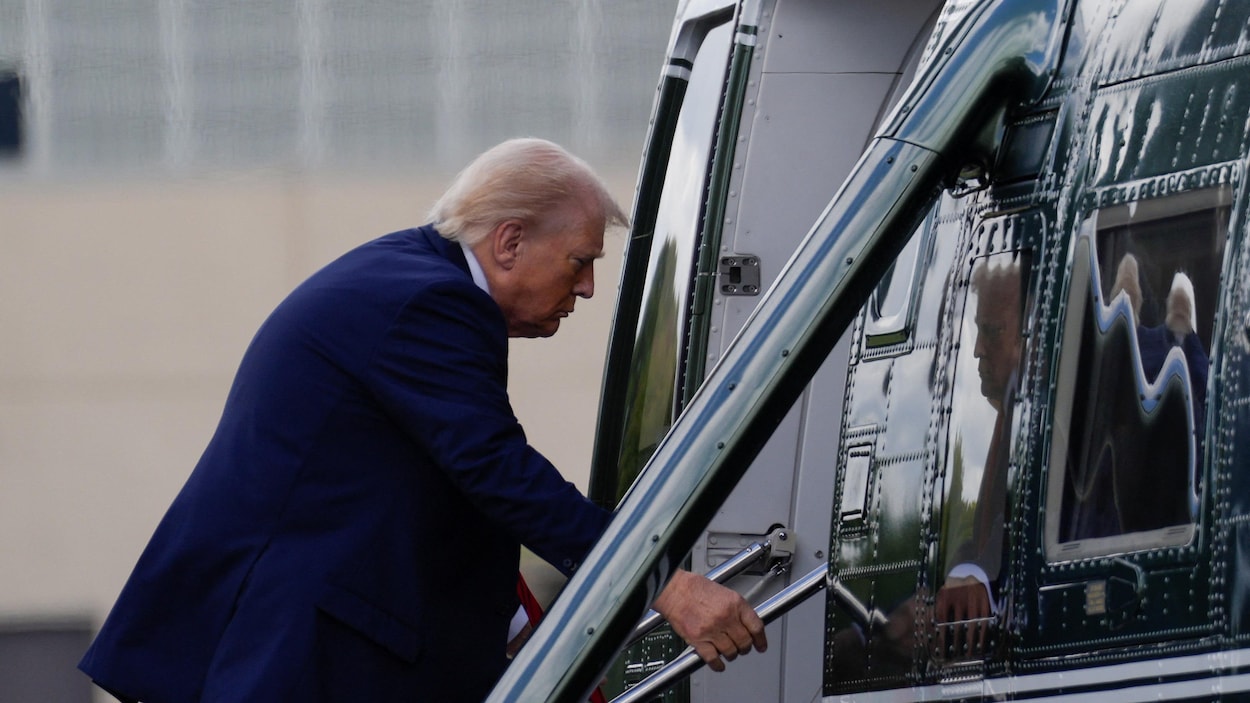
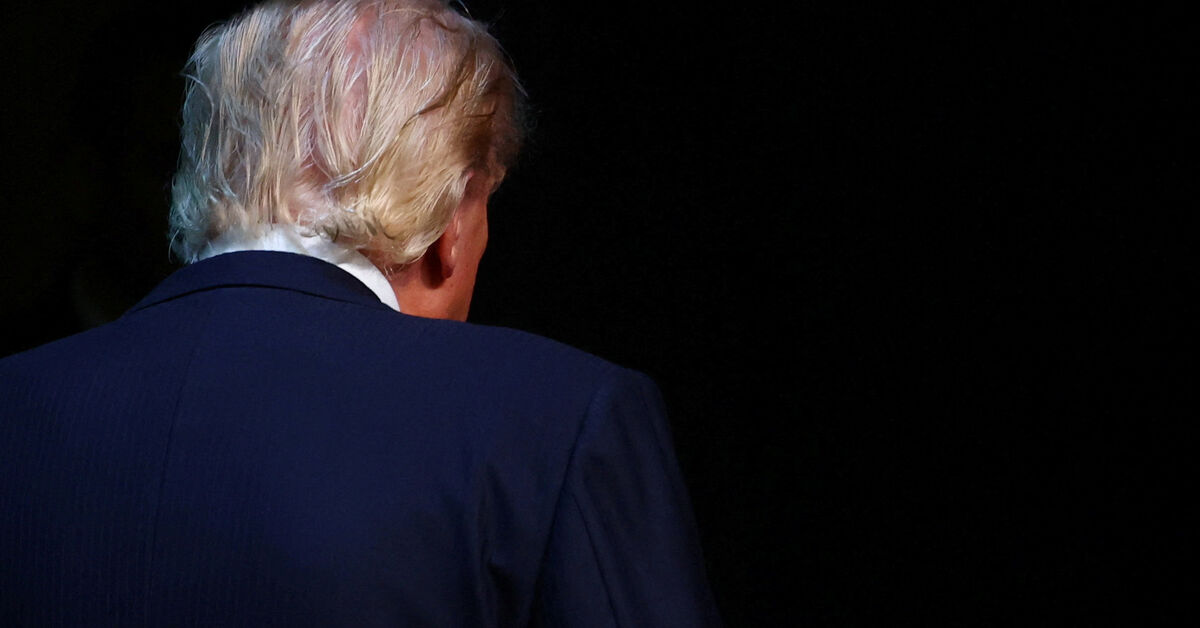
Surely you've heard of RCP 8.5? Maybe not. But it's been in the spotlight since U.S. President Donald Trump who stirred up a conversation about a projection of future climate change that's rarely mentioned by name.
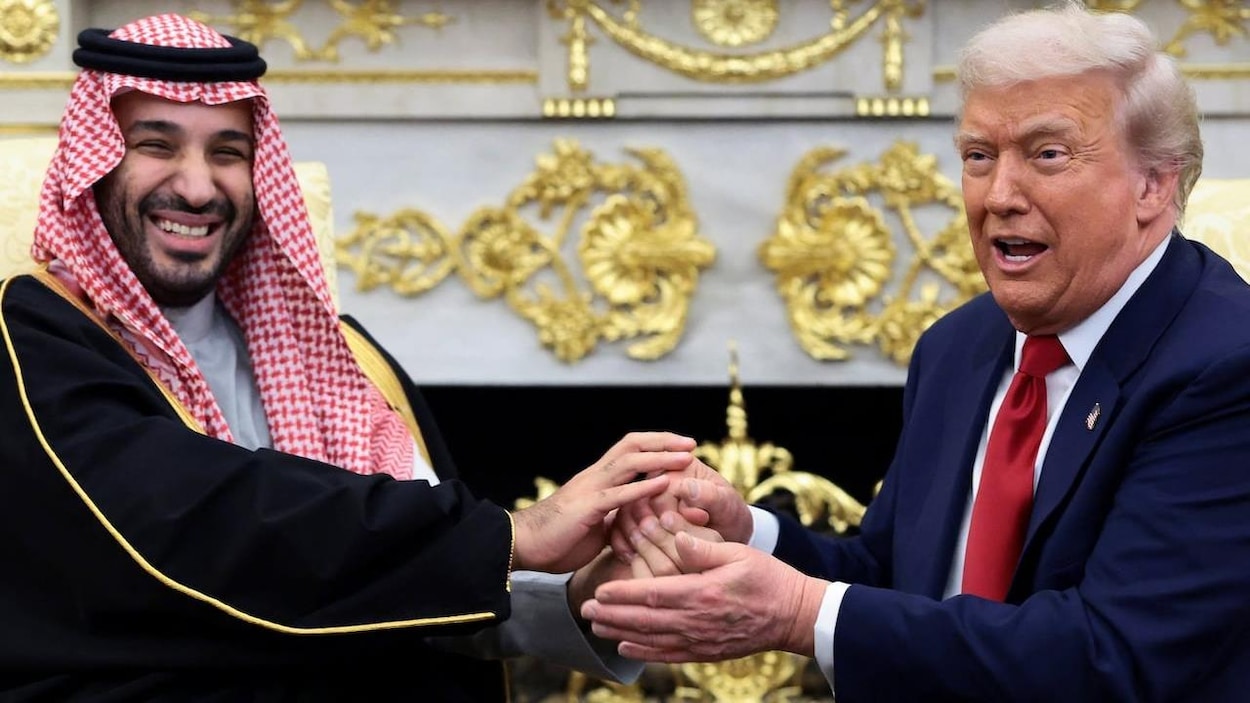
Last week, Trump claimed "The United Nations TOP Climate Committee just admitted that its own climate projections (RCP8.5) were WRONG! WRONG! WRONG!"
RCP 8.5 was one of a number of scenarios that scientists have used to project the effects of human-caused climate change this century. Those scenarios depict various possible futures, depending on, say, whether people make decisions to cut emissions rapidly — or burn even more fossil fuels.
Among them, RCP8.5 was considered a sort of "worst-case scenario."
It is true that scientists — not a UN committee, as Trump suggests — published a review paper in April that deemed this particular scenario implausible.
But that's because of what's been done right to reduce emissions since RCP8.5 was first published 15 years ago, says Zeke Hausfather, a climate scientist and researcher at the California-based non-profit Berkeley Earth.
"This is just an example of how science works," he said.
And as "bizarre" as it was to see the U.S. president commenting what is generally a "pretty obscure climate science topic," Hausfather says the important thing is that we continue to steer the climate ship in the right direction.

The origins and demise of RCP 8.5
RCP stands for Representative Concentration Pathways.
The pathways were four scenarios: from a future with low emissions and active climate change mitigation efforts, to an extreme situation in which emissions from the burning of coal and other fossil fuels increase significantly and without restrictions for the rest of the century.
And if that worst-case were to happen, the global average temperature could have increased to an estimated 4.3 C, above pre-industrial levels, by the year 2100, with potentially catastrophic consequences for the planet.
But that worst-case projection has been the subject of criticism among climate scientists, let alone climate skeptics like Trump, for some time.
The University of British Columbia's Justin Ritchie and Hadi Dowlatabadi argued in 2017 that it was not a feasible projection because it "dramatically overestimated future coal use."
RCP 8.5 wasn't an "outlandish" projection but it was also never a certainty, says Hausfather, who is a lead author of the upcoming UN International Panel on Climate Change's (IPCC) Seventh Assessment Report, due in late 2028 or early 2029.
"When this scenario was created, the world had just seen a huge increase in CO2 concentrations," he said.
The RCPs, he says, were published in 2011 after a decade in which global emissions had increased 30 per cent.
But he says it was often misrepresented as the "business as usual" scenario rather than an extreme.
In the April review paper, scientists deemed the worst-case scenario implausible because of the emergence of climate policy, the decreasing cost and rising adoption of renewable energy and shifts in emissions trends.
That same paper contained a proposal for a new set of emissions scenarios that take all of this into consideration.
"I think there is a welcome re-centreing of what is actually likely to happen based on how the world has changed," he said.

Progress, but ...
Abandoning what are now outdated scenarios is "truly a good news, bad news story," said Canadian Climate Institute president Rick Smith.
"The worst-case scenario of how terrible things might get in terms of warming by the end of the century is not quite as bad as we thought," he said.
"But the best-case scenario is not quite as good as we hoped for."
He says the rapid development of renewable energy from wind and solar, which is now surpassed coal power generation globally, may have slowed down global heating, but not entirely.
"Warming has continued and the world is still on a trajectory to see an average global temperature rise of 2.5 to 3 C in the next few decades," he said.
LISTEN | How Mark Carney may be betraying his own environmental bona fides: Front Burner28:06Is Carney undoing the Liberals’ climate legacy?
Most of the world's countries committed, in the 2015 Paris Agreement, to limit global warming this century to 1.5 C above the pre-industrial level.
The past three years have averaged 1.5 C above the pre-industrial level, but that is only a short-term average and doesn't mean we have surpassed the long-term limit set out in the climate accord.
Smith says this level of warming is a big concern — especially here in Canada.
"Canada experiences roughly double the average global warming," Smith said. "So, average temperatures in Canada have already gone up by about 2.5 degrees since 1950 or so."
LISTEN | Zeke Hausfather on why Trump is wrong about climate projections: What On Earth25:01Trump is wrong. Climate action is working
Is 'Trumpian' climate future possible?
It was time for new emissions prediction to be created, says Hausfather, but even the most optimistic scenario in the forthcoming projections are largely "tied to where is the world headed under policies that are in place today."
Although there will no longer be a scenario as extreme as RCP8.5, he says there is still one that envisions what could happen if climate progress is rolled back and fossil fuel use is ramped up, in what he describes as a "very Trumpian future."
"It's useful to include that in the range of scenarios because, you know, as we see in the U.S. at the moment, things like that can happen."
WATCH | El Niño could raise global temperatures in 2026, but climate change the big factor: What exactly is a ‘super’ El Niño? And what does it mean for you?
ABOUT THE AUTHOR

Nick Logan is a senior writer with CBC based in Vancouver. He is a multi-platform reporter and producer, with a particular focus on international news. You can reach out to him at [email protected].
With files from Nicole Mortillaro













 English (US) ·
  French (CA) ·
  French (FR) ·