

 4 hours ago
7
PROTECT YOURSELF with Orgo-Life® QUANTUM TECHNOLOGY
Orgo-Life the new way to the future Advertising by Adpathway
Business: Brazil
US President Donald Trump said on Friday 20 November 2026 that the Philippines will buy all of its farm products from American producers from 1 January, and he cited Brazil among the suppliers it buys from now. The Philippine government has not confirmed that, and the White House document published two days earlier contains no such pledge.
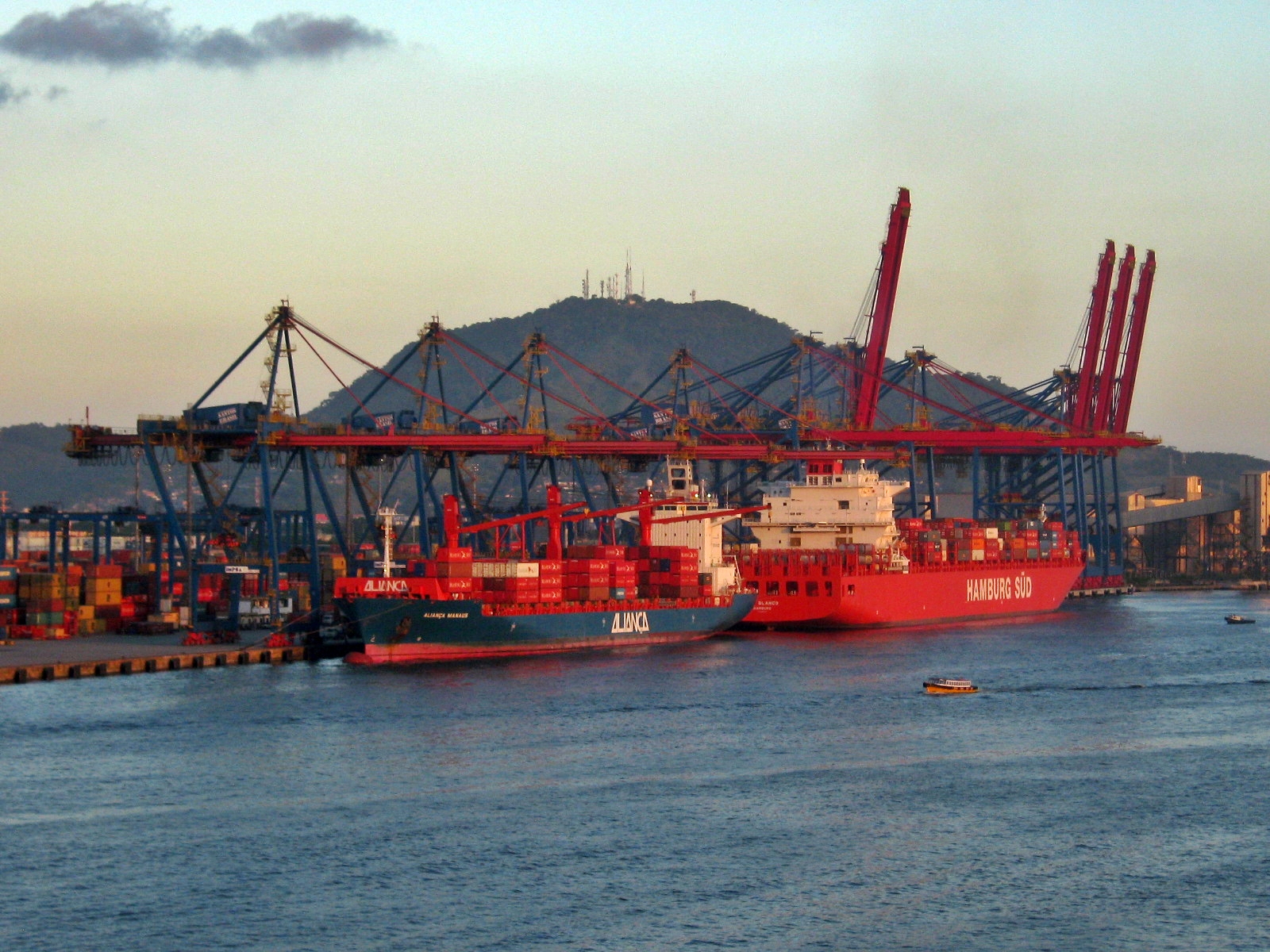
Brazil sold the Philippines US$1.95 billion of goods from January to October 2026, and about three-fifths of that was meat. For US readers, the dispute shows how Washington now uses trade deals to steer what other countries buy, with American and Brazilian farmers competing for the same Asian market.
Free daily brief — no card needed
Get every Brazil story in one morning email
We build you a personalized brief around the topics you follow — free for 7 days. Love it? Your first month after that is US$1.
Yes, email me my free daily brief — I can unsubscribe any time.
Key Facts
- Who. President Donald Trump of the United States and President Ferdinand Marcos Jr. of the Philippines.
- What. Trump says Manila will buy 100% of its farm imports from US growers; Manila has not confirmed.
- At stake. Brazil sold the Philippines US$1.16 billion of meat and offal from January to October 2026.
- Power Index. Brazil ranks 1st of 14 in The Rio Times Latin America Power Index, with 74.2 points (November 2026 edition).
- As of. 21 November 2026, 09:30 GMT.
Trump’s claim reaches the biggest single market for Brazilian pork, yet the paperwork on the table says less than the press conference did, and Manila is still negotiating.
Follow this story
Get an email when there’s news on Philippines (Brazil)
On Saturday 7 November 2026 the Philippine Department of Agriculture signed an order suspending imports of pork and edible offal, the organ meats, for 60 days as a provisional safeguard. Philippine officials say the aim is to support local hog farmers.
A week later Brazilian President Luiz Inácio Lula da Silva made the first visit to the Philippines by a sitting Brazilian president. On Saturday 14 November his agriculture minister, André de Paula, and Philippine Agriculture Secretary Francisco Tiu Laurel Jr. signed a cooperation memorandum.
On Wednesday 18 November the White House published a fact sheet saying the two leaders committed to eliminate the US trade deficit with the Philippines through increased Philippine imports of American energy and agriculture products. The document does not mention Brazil or exclusivity, and Marcos said in Shenzhen, China, on Friday that the details of the food and energy arrangement still had to be worked out.
The Philippines is Brazil’s largest pork customer, ahead of Japan: US$588 million from January to October 2026 against US$538 million for Japan, according to Comex Stat, the Brazilian trade ministry’s export database. At about US$59 million a month, 2026 sales run roughly 16% below the US$841 million, or about US$70 million a month, recorded for all of 2025.
Read strictly, the fact sheet rules out nothing for Brazil, because it sets no quota and no ban, while Trump’s words would shut Brazilian farm goods out of the market. Until a text is signed, the pork suspension is the only Philippine measure we could verify that cuts into Brazilian sales.
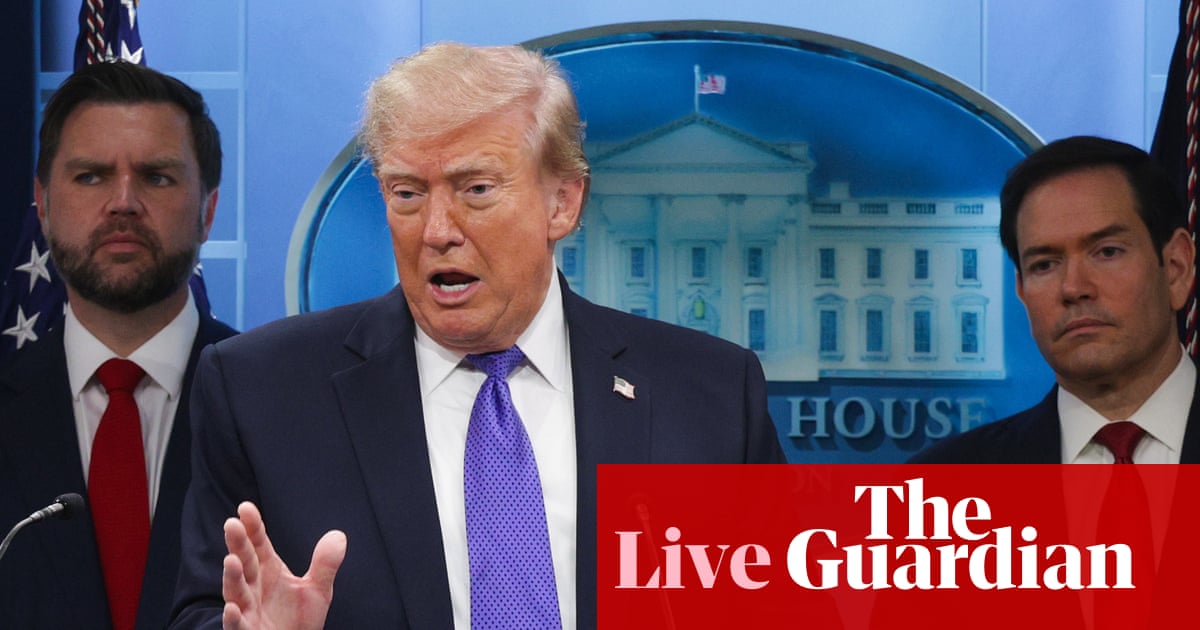
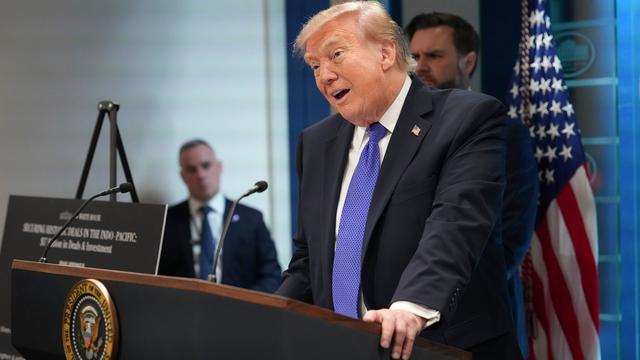
Speaking at the White House after his Asia tour, Trump said the Philippines had been buying far more farm goods from other countries, Brazil included, than from the United States. He added that Manila would also buy all its imported energy from American suppliers in place of Middle Eastern ones, and he asked whether Brazil would help the Philippines in a “little skirmish” with China, saying he thought not.
Marcos told reporters in Shenzhen that the deal was a chance to diversify food and energy supplies, citing American soybeans and wheat. He said the details were still being worked out.
A cross-party group in Brazil’s Congress, led by federal deputy Waldemar Oliveira, repudiated Trump’s statement on Friday 20 November. It cited national sovereignty and the self-determination of peoples.
Meat is where the exposure sits: of the US$1.95 billion Brazil exported to the Philippines, US$1.16 billion was meat and offal, including US$588 million of pork, US$311 million of frozen beef and US$181 million of poultry. The Philippines takes about 21% of Brazil’s pork exports by value, so losing it would force exporters to find other buyers.
Any tightening would land on top of the suspension, a 60-day order the Philippine Department of Agriculture signed on 7 November. For Brazilian producers the two measures could overlap, one with a signed order behind it and one so far with only a presidential statement.
The wording gap matters in Washington as much as in Brasília, since a deal that raises Philippine purchases is not one that shuts out rivals. Neither government has said whether any 100% commitment exists in writing.
Trump said the buying rule starts on 1 January. Manila has named no date.
Frequently Asked Questions
Has the Philippines agreed to stop buying Brazilian farm goods?
Not publicly. Marcos has said the details are still being worked out, and the White House fact sheet does not mention Brazil.
Does the Philippine pork suspension come from Trump’s demand?
No. The Department of Agriculture signed it earlier in the month as a safeguard for local hog farmers, so it is a separate measure that Brazilian exporters already face.
Why should US readers follow this?
It shows trade deals now aim to reshape who sells food to a market, not only what tariffs apply. A Philippine purchase pledge would favour American growers over rivals in Brazil.
Sources
Published Saturday 21 November 2026 · Source: White House fact sheet of 18 November 2026; Brazilian trade ministry export data (Comex Stat), January to October 2026 and full-year 2025; Philippine Department of Agriculture order of 7 November 2026; remarks by President Marcos on 20 November 2026; motion of the Brazilian parliamentary front of 20 November 2026 · White House fact sheet · Comex Stat (MDIC)
This article was produced by The Rio Times’ automated AI newsroom. Editorial responsibility: Matthias Camenzind, Publisher and Editor-in-Chief. The Rio Times also runs Ask Rio Times, which answers from 100,000+ of our own articles, the daily Latin America Power Map, and prediction-market odds on elections and markets.. How we use AI · Report an error
Brazil runoff, Sunday, October 25: When is the Brazil runoff election. Latest: Brazil runoff polls, Flávio 51%, Lula 49%.
The Rio Times · Power Map
See who really holds power in Latin America
Click to open the Power Map →













 English (US) ·
 French (CA) ·
 French (FR) ·