

 13 hours ago
2
PROTECT YOURSELF with Orgo-Life® QUANTUM TECHNOLOGY
Orgo-Life the new way to the future Advertising by Adpathway
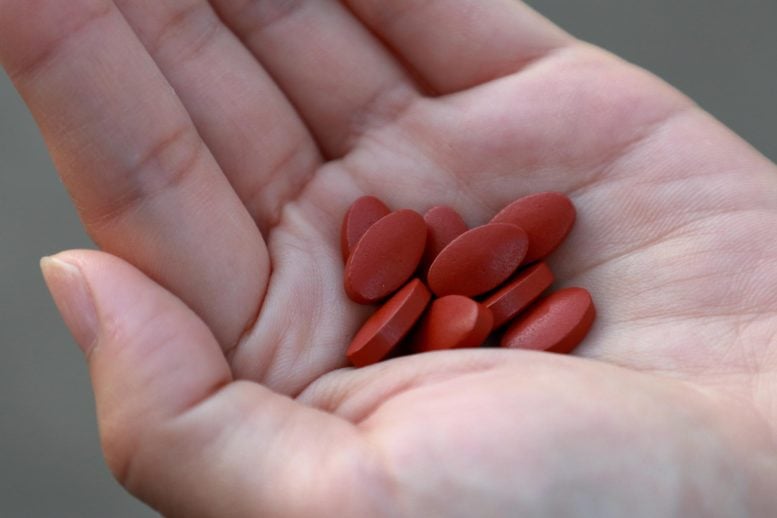
Turmeric capsules are touted as remedies for joint problems
olga Yastremska/Alamy
Turmeric supplements seem to have little to no effect on pain and mobility problems caused by knee osteoarthritis. That’s according to one of the most rigorous assessments of the evidence yet, which focused on four randomised controlled trials comparing the supplements to placebo pills.
Osteoarthritis, which affects more than 500 million people worldwide, is caused by damage to cartilage that cushions the ends of bones, resulting in pain, stiffness and inflammation. Standard treatments include painkillers and anti-inflammatory drugs that can ease symptoms. “But many people see little or no benefit,” says Philip Conaghan at the University of Leeds, UK, who wasn’t involved in the latest review.
Turmeric supplements are often touted as an alternative therapy. They contain curcumin, a compound that gives turmeric its yellow colour and is thought to have anti-inflammatory properties. Yet such beliefs are often based on prior flawed studies, says Ivan Shirinsky at the Research Institute of Internal and Preventive Medicine in Novosibirsk, Russia.
Shirinsky and his colleagues analysed results from four randomised controlled trials, collectively involving more than 370 participants with knee osteoarthritis. Participants were randomly assigned to take either a supplement containing turmeric extract or placebo pills two or three times per day, for between eight weeks and three months. Each trial used a slightly different supplement containing a different curcumin dose. “We looked at the most rigorous evidence available,” says Shirinsky.
Among those who took a placebo, knee pain decreased by 1.6 points, on average, on a scale from 0 to 10 by the end of the study. Those taking turmeric supplements experienced an average 2.3-point decrease in pain, meaning the difference between the turmeric and placebo groups was half that required to be meaningful to patients based on prior studies, says Shirinsky.
In line with this, surveys revealed that turmeric supplements had no meaningful effect on participants’ quality of life or their ability to carry out everyday activities such as walking, getting up from a chair or climbing stairs.
“If somebody is taking one of these therapies and thinks it is helping their symptoms, I would never force them to stop,” says Conaghan, since it could be working for some people. “But the evidence suggests it’s not going to help you. I would save your money.”
However, the findings cannot provide a definitive answer, says Shirinsky. “All included studies used different formulations of turmeric, and this reduced the certainty of the evidence,” he says. What’s more, the evidence wasn’t strong enough to make conclusions around turmeric’s potential side effects; curcumin supplements have previously been found to cause liver problems in some people.
Further randomised controlled trials testing a standardised curcumin supplement could address such limitations, but Conaghan doesn’t think this is justified. “There are not enough clues in [existing research] to give me confidence that we should do more trials in this area,” he says. For instance, studies have shown that curcumin isn’t easily absorbed into the blood following ingestion, meaning it is unlikely to reach joints to have an effect, he says.


















 English (US) ·
 French (CA) ·
 French (FR) ·