

 1 hour ago
3
1 hour ago
3
PROTECT YOURSELF with Orgo-Life® QUANTUM TECHNOLOGY
Orgo-Life the new way to the future Advertising by Adpathway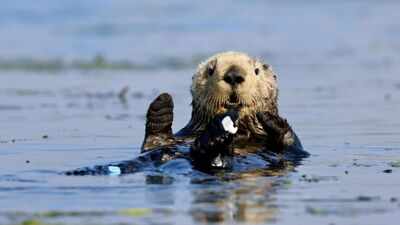
In 1984, a $57 million gift from David and Lucile Packard helped turn a former cannery site on California’s Cannery Row into the Monterey Bay Aquarium. Four decades later, the institution is known not only for its kelp forest, jellyfish and deep-sea exhibits, but also for conservation work that reaches far beyond its walls.
According to the David and Lucile Packard Foundation, the aquarium has welcomed more than 70 million visitors and developed major programmes in marine science and education. Its Sea Otter Recovery Program has cared for more than 1,000 stranded sea otters and successfully surrogate-raised 84 pups for release into the wild. Read on to know more about it here:
A vision shaped by Monterey Bay
The idea for the aquarium emerged from a group of people who believed Monterey Bay deserved greater public attention.
Nancy Burnett, David Packard’s daughter, and her sister Julie Packard were among those who helped develop the vision after discussions with scientists working in the region.The project took six years of planning and a major financial commitment from David and Lucile Packard. Their $57 million gift helped make it possible to build a major public aquarium directly beside one of the most biologically rich marine environments in the world.
The Monterey Bay Aquarium opened on October 20, 1984, on the site of a former sardine and squid cannery. The location was meaningful because Cannery Row had once been the centre of a major fishing industry before declining fish populations and economic pressures led to the closure of the last cannery in 1973.Rather than creating a general-purpose collection of marine animals, the aquarium focused on the species and habitats found along California’s Central Coast.
It became the first major public aquarium with permanent exhibits devoted to the marine life of its local waters.
Exhibits designed to inspire action
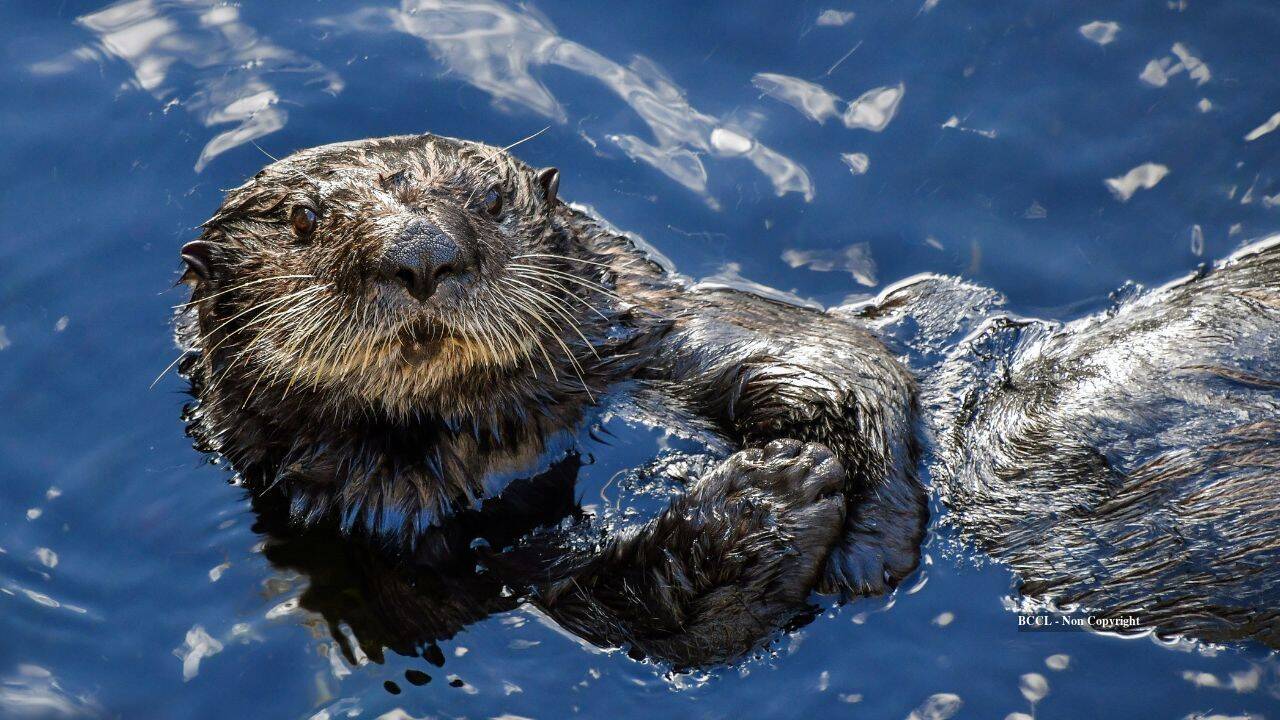
otter
The aquarium’s exhibits were created to give visitors a close look at habitats that many people could not easily explore for themselves. Its living kelp forest became one of the institution’s signature features, showing how an underwater ecosystem changes with light, currents, predators and plant growth.
The aquarium also became known for its large-scale jellyfish exhibits and for its work with animals that are difficult to maintain in captivity.
It was the first institution to successfully exhibit young great white sharks and return them to the ocean.These displays were not intended only to entertain. They helped visitors understand that ocean animals are connected through food webs and shared habitats. A kelp forest, for example, is not simply a collection of plants.
It supports fish, invertebrates, sea otters and countless smaller organisms. The aquarium’s public education work also helped build interest in protecting the bay. In 1992, Monterey Bay became part of the Monterey Bay National Marine Sanctuary, which the Packard Foundation describes as the largest national marine sanctuary in the continental United States.
From public aquarium to research leader
Soon after the aquarium opened, David Packard established the Monterey Bay Aquarium Research Institute, known as MBARI.
The institute became a centre for ocean science and technology, developing underwater robots and other tools to study remote parts of the ocean. MBARI scientists, engineers and marine operations teams have explored areas that are difficult or impossible for divers to reach. Their work has helped expand knowledge of the seafloor and contributed to the discovery of hundreds of new species.The aquarium and MBARI have different roles, but their work is closely connected.
MBARI produces scientific information and technology, while the aquarium helps translate complex discoveries into exhibitions, programmes and public conversations about the ocean. This combination gives the aquarium influence beyond its exhibits. Its work includes research, education, policy advocacy and conservation programmes focused on threatened species and damaged habitats.
A second chance for stranded sea otters
The Sea Otter Recovery Program has worked with southern sea otters for more than 40 years.
The animals remain vulnerable to shark bites, disease, pollution, habitat loss and changes in the availability of prey. When an orphaned or stranded pup is found, the aquarium’s team responds and, when possible, attempts to reunite it with its mother. If that is not possible, the pup receives intensive care from specialists who limit human contact to prevent the animal from becoming accustomed to people.The aquarium then uses a distinctive surrogate-mother programme.
Female sea otters living at the aquarium are introduced to orphaned pups when their behaviour suggests they can provide appropriate maternal care. The surrogate mothers teach the pups skills that are difficult to learn from humans. These include diving, foraging, grooming and resting in the natural way. Staff members monitor the relationship while minimising direct contact and providing enrichment.
After reaching important behavioural milestones, the young otters are released into the wild.
Over the lifetime of the programme, the aquarium has cared for more than 1,000 stranded sea otters and surrogate-raised 84 pups.
Why sea otters matter to coastal ecosystems
Sea otters are considered a keystone species because their feeding behaviour can influence the health of an entire coastal ecosystem. By eating certain marine invertebrates, they can help maintain kelp forests and eelgrass meadows. The aquarium’s work in Elkhorn Slough offers an example of this wider impact.
Between 2001 and 2016, the team released 37 surrogate-reared sea otters into the estuary. The aquarium reports that those animals and their offspring accounted for more than half of the population growth during that period.The recovering otter population helped reduce numbers of invasive non-native crabs. With fewer crabs consuming sea slugs, the slugs were able to eat algae that might otherwise have overwhelmed eelgrass.
As eelgrass recovered, it helped stabilise shorelines, reduce erosion and improve water quality. The sequence shows how rescuing individual animals can eventually support habitats and other species.
A conservation legacy that continues
The aquarium’s work now covers coastal California wildlife, sustainable fisheries, plastic pollution and climate change. Its Seafood Watch programme promotes more responsible fishing and aquaculture, while its public campaigns encourage action on plastic waste and ocean warming.
Education remains central to that mission. The aquarium hosts school field trips, trains teachers and provides programmes for teenagers interested in science and ocean leadership.
These initiatives connect visitors with marine life while giving them practical ways to understand environmental problems. The $57 million gift that opened the aquarium was therefore more than a construction contribution. It helped create an institution where public fascination could support scientific research and conservation.From a former cannery site, the Monterey Bay Aquarium has become a place where visitors can see ocean life up close, while researchers and conservationists work to protect it outside the building. Its sea otter programme captures that mission clearly. By caring for stranded animals, raising pups with surrogate mothers and returning them to the coast, the aquarium is helping restore not only a vulnerable species but also the ecosystems that depend on it.




















 English (US) ·
  French (CA) ·
  French (FR) ·