

 2 months ago
39
2 months ago
39
PROTECT YOURSELF with Orgo-Life® QUANTUM TECHNOLOGY
Orgo-Life the new way to the future Advertising by AdpathwayRio de Janeiro · Society
Key Facts
—What. A new Sustainable Tourism Tax now applies to visitors of Angra dos Reis and its star attraction, Ilha Grande.
—How much. The charge runs from about R$47.50 ($9.40) on the mainland to R$95 ($18.80) for the island.
—Since when. Collection began on June 1, 2026, and a single payment covers 30 days.
—The backlash. Protesters burned payment booths on the island and blockaded boat crossings.
—Under review. The state audit court has questioned the contract with the fintech that collects the tax.
—Who is exempt. Residents, their close relatives, children under 12 and people over 60 do not pay.
A new Ilha Grande tourist tax has triggered street protests, burned payment booths and a legal challenge on one of Brazil’s most beautiful stretches of coast.
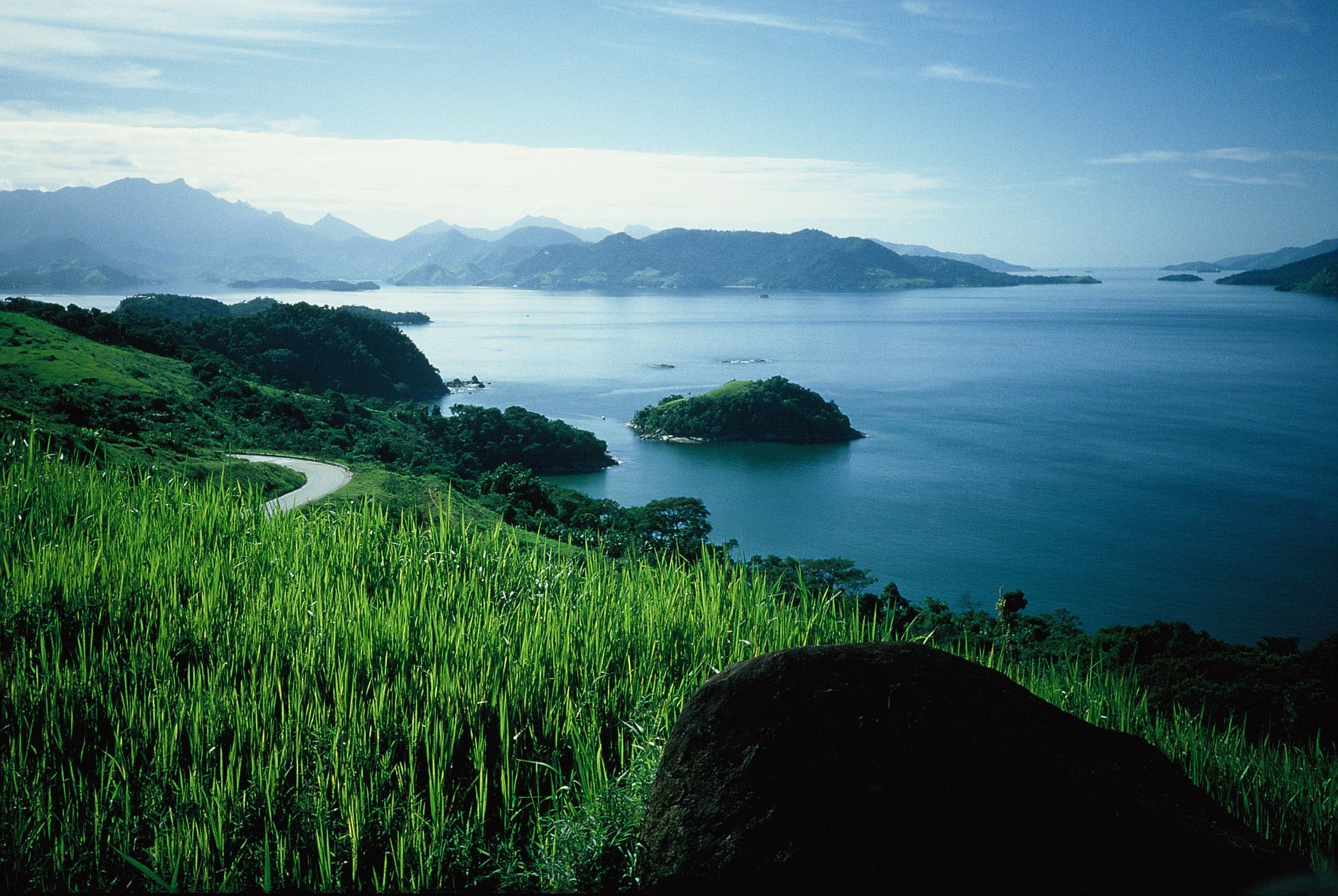 Ilha Grande, on Rio de Janeiro’s Costa Verde. (Photo: Wikimedia Commons, public domain)
One of Brazil’s loveliest island getaways has started charging visitors at the door, and locals are furious. The move has turned a tropical paradise into the stage for a noisy local revolt.
The place is Ilha Grande, a car-free island of rainforest and white-sand beaches reached by boat from the town of Angra dos Reis. It sits on the Costa Verde, the green coast between Rio de Janeiro and São Paulo.
What the Ilha Grande tourist tax is
The town hall calls it a Sustainable Tourism Tax. Officials say the money will pay for the infrastructure that visitors use and fund local tourism and environmental bodies.
The amount depends on where you go. Visiting the mainland costs around nine dollars, while crossing to the island itself runs to roughly nineteen.
A single payment covers a stay of up to thirty days. Longer visits trigger a small daily top-up, and the rates are due to be revised next year.
Crucially, not everyone pays. Local residents, their close family, children under twelve and visitors over sixty are all exempt, and cruise passengers may get steep discounts.
Why locals are protesting
The reaction has been fierce. Since the charge took effect on the first of June, residents, traders and tourism workers have staged repeated protests.
In the early hours of that first day, payment booths were set alight at the main pier in the island’s only town. The town hall has described the fire as a criminal act.
Boats then blocked the crossing, stopping private vessels from moving between the mainland and the island. Police have since stepped up their presence at the affected piers.
The core complaint is economic. Business owners say the tax was introduced without any study of its likely effect on visitor numbers, on which the whole local economy depends.
Ilha Grande is no minor stop. The island is one of the most popular escapes on this coast, known for its protected Atlantic forest, its lack of cars and beaches that regularly appear on lists of Brazil’s finest.
That popularity is exactly what the town hall says it is trying to manage. Supporters of the charge argue that heavy visitor traffic strains a fragile environment and that those who use it should help pay to protect it.
A legal cloud over the scheme
The fight has now moved beyond the streets. The state audit court has raised questions about how the tax is being collected, not only about the charge itself.
At issue is the contract with a private payment company that runs the digital collection system. The court gave the local tourism foundation a few days to explain the arrangement.
Some operators say the damage is already visible. One hotelier on the island reported going three days without a single guest, even allowing for the quiet winter season.
The clash captures a wider tension across the region. Tourism is the lifeblood of these coastal towns, yet residents increasingly worry about crowding, rising costs and the strain on local services.
What it means for a visitor
For a traveller planning a trip, the practical message is to budget for the charge and pay it cleanly. The sums are modest against the cost of an international holiday.
The bigger picture is a familiar one worldwide. Beautiful places from Venice to Bali are turning to visitor fees, and Brazil’s Costa Verde is now testing the same idea, messily.
The dispute is far from settled, so the rules could shift at short notice. Anyone heading there soon should check the latest local guidance before travelling.
Frequently Asked Questions
How much is the Ilha Grande tourist tax?
It runs from around nine dollars to visit the Angra dos Reis mainland to roughly nineteen for the island itself. A single payment covers a stay of up to thirty days.
Who has to pay it?
Most visitors pay, but local residents, their close relatives, children under twelve and people over sixty are exempt. Cruise passengers may receive significant discounts.
Why is it controversial?
Residents and businesses say it was imposed without studying its impact on tourism, and protesters have burned payment booths and blocked boats. The state audit court is also reviewing the contract with the company that collects it.
The Rio Times · Power Map
See who really holds power in Latin America
Click to open the Power Map →








 English (US) ·
  French (CA) ·
  French (FR) ·