

 1 hour ago
5
1 hour ago
5
PROTECT YOURSELF with Orgo-Life® QUANTUM TECHNOLOGY
Orgo-Life the new way to the future Advertising by AdpathwayThe night sky is an embroidery stitched across a dark dress spread wide above us. The stars have stories to tell, their whispers and dramatic voices sheltered safely in your grandmother’s lap, as she sings you a lullaby.
I remember my grandmother telling stories about mystical creatures, a world she created. The story breathes. Mystical creatures come alive, and suddenly I belong to their world. My grandmother is the world’s best storyteller. While reciting her story, she did something interesting; the context of the story would remain similar. However, she always gave me choices that altered the direction of the plot. Each choice created a different story.
Similarly, history survives behind static glass frames – artefacts, manuscripts, jewellery, statues, textiles preserved as monuments to civilisation. We call them museums. Yet, traditional museums are struggling to engage a generation that expects participation rather than passive observation. They reject the idea of standing behind a glass case, passively viewing a 5,000-year-old object.
Bali Museum witnessed a staggering 94% drop in attendance between 2019 and 2021. While much of this decline can be attributed to the 2017 Mount Agung eruption and the Covid-19 pandemic, it doesn’t change a deeper truth: Gen Z expects museums to be immersive, story-driven spaces. They are active participants in the modern experience economy and heritage tourism.
Museums have a long way to go, but the blueprint already exists in my grandmother’s storytelling: interaction, dramatisation, and immersive narration.
According to a 2023 visitor engagement survey, 92% of Gen Z respondents said they are drawn to participatory experiences in museums. Bali Museum’s attendance was low, not because Gen Z was not interested in history, but because they expected advanced digital engagement and the integration of VR and AR. Gen Z does not want to see history; they want to relive it.
Story continues below this ad
The pandemic accelerated this shift, exposing a broader generational change in how younger audiences engage with heritage. Commercial attractions dealt another blow, rival destinations marketed as entertainment hubs drew audiences away from the static museum experience. The fusion of authenticity and technological innovation is key to engaging Gen Z audiences.
When history comes alive
The magic of technology unfolded at the Hang Tuah Gallery in Malaysia, part of the National Museum complex. The gallery did something extraordinary; it recreated the battle between Hang Tuah and Hang Jebat through holographic projection. It recreates the story of a battle fought for a friend wronged by a Sultan – a tale of justice that resonates sharply in an era of global conflict. Through spaces like this, the lines between past and present blur, and history becomes a lens for the future.
Technology is not just enhancing the museum experience, it is restructuring who gets to own it. And as museums become increasingly digital, another question emerges: who controls these archives and the stories they tell?
Google Arts and Culture has partnered with museums worldwide to introduce phygital spaces, and in doing so has accumulated a colossal dataset of history, culture, and user interaction. At its best, the project represents the democratisation of art. I recalled the summer evenings when my nanni gathered every child from the neighbourhood for folktales over mangoes – no invitation required, no gatekeeper at the door.
Story continues below this ad
Like museums with hidden doors, these datasets contain buried histories waiting to be uncovered. But concealed within is a darker secret – a power dynamic embedded in the dataset itself. Every dataset is unique, and this data can be fed to AI and LLMs. When such data is fed into AI systems, whose narrative are we really listening to? The danger is not merely that history is digitised, but that omissions and biases may become embedded in the systems that increasingly mediate our understanding of the past.
Who gets to participate?
The pen is the sharpest tool for shaping a narrative and we may already be consuming only what has been pre-written for us. The narratives institutions preserve are rarely neutral. Citizens are more than just ambassadors or visitors in the museum. Heritage spaces require not only intellectual engagement but empathy toward indigenous histories and identities. When participation is scripted from above, the result is a heritage experience that reflects authority rather than community.
Across many institutional heritage projects, participation is often carefully managed rather than genuinely shared. Visitors are invited to engage, but rarely to challenge the dominant narrative. Counter-narratives are swept under the carpet. This dissent hinders the ability to engage in complex debates and to shape the future of inclusive cultural heritage.
Memory, aesthetics and reinterpretation
Decolonisation of Museums might be the first step towards bridging the gap between inclusivity and alienation. But there’s something more: a silent shift that could change the discourse on who shapes the narratives of history. The case of Robben Island suggests how digital memory can rewrite national heritage. The museum was built to commemorate Nelson Mandela’s resilience and the story of reconciliation. While some visitors focused on its haunting legacy, others were drawn to the island’s picturesque scenery. For a generation shaped by social media, heritage sites are often filtered through aesthetics and personal branding. A place that embodies trauma for one visitor may become visual content for another.
Story continues below this ad
The camera can democratise memory, but it can also flatten it. When Indigenous communities get a chance to represent history through their lens, narratives are reshaped, and communities are acknowledged, not forgotten.
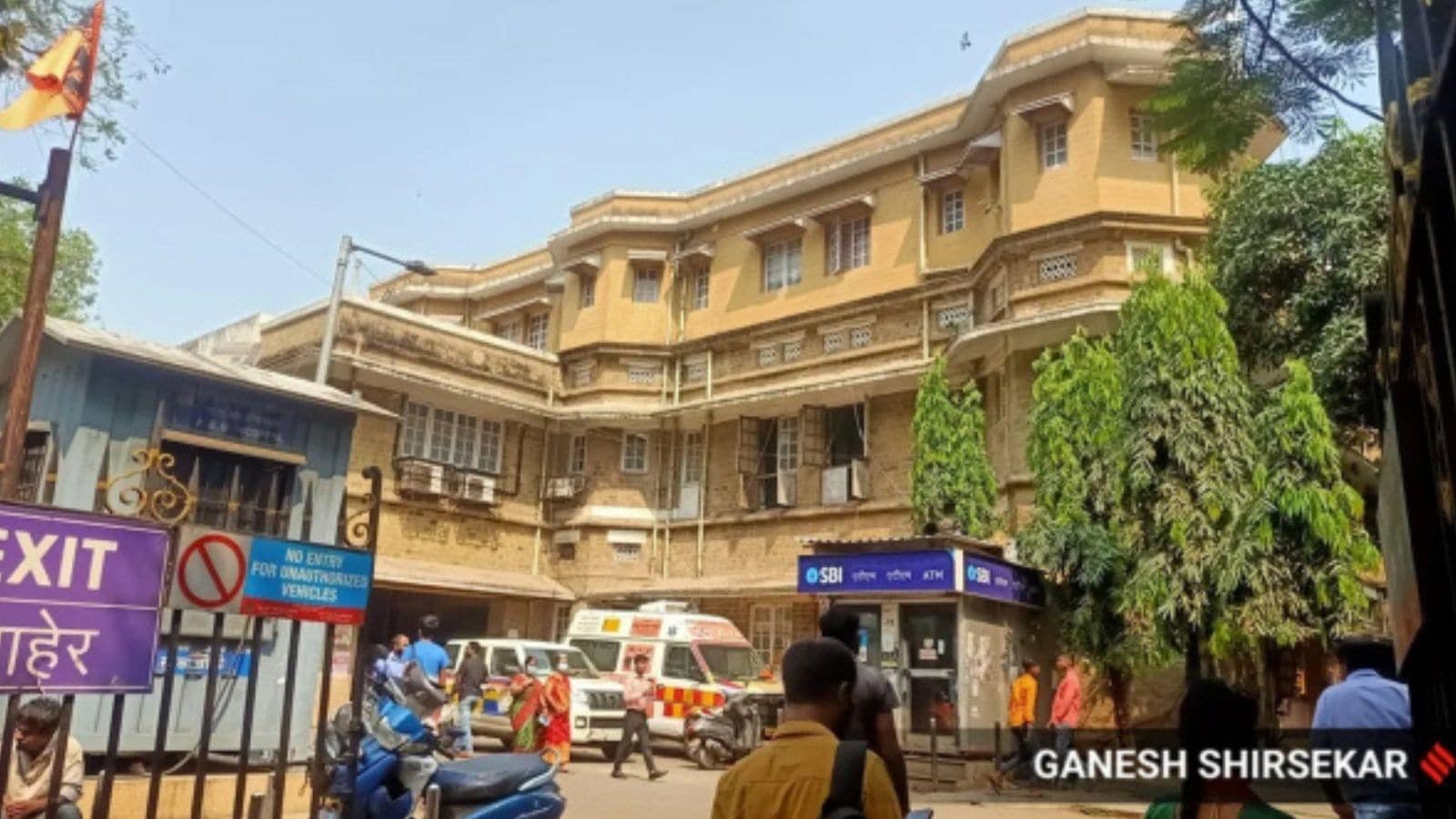
A more hopeful model is taking shape in Mumbai. The Chhatrapati Shivaji Maharaj Vastu Sangrahalaya (CSMVS) and the British Museum are collaborating on a project in 2026. The Ancient World Project operates as a two-way collaboration; its first phase focused on ancient sculptures. Sculptures were chosen from the Mediterranean region and were placed beside a digital image of an Indian sculpture, which could be traced back to the subcontinent or had a striking similarity. The co-creation model bridged perspectives between the curators in Mumbai and the curators in Britain. While Indian visitors read the sculpture as a window into the worship of gods, British visitors approached the very same object as a historical artefact.
That gap in interpretation – the same object, two entirely different meanings – is precisely where the conversation about shared heritage begins. Nonetheless, centuries of scars on the land of the natives can’t be easily forgotten by immersive museum experiences curated by a few hands. To embrace the dark side of history, we must empathetically ask a question: Every civilisation gets the museums it deserves, but do we have the courage to build different ones—or the willingness to share authorship of history itself?
(The author is an intern with The Indian Express)



















 English (US) ·
  French (CA) ·
  French (FR) ·