

 3 hours ago
4
3 hours ago
4
PROTECT YOURSELF with Orgo-Life® QUANTUM TECHNOLOGY
Orgo-Life the new way to the future Advertising by AdpathwayThe LatAm Brief
One email, every weekday morning. What moved in Latin American markets, politics and expat life.
Yesterday’s subject line: “Venezuela's New York week: oil signed, the bounty stays”
Free. We send a confirmation link first — nothing arrives until you click it. Unsubscribe with one click in any edition. If you stop opening us for 30 days we stop sending by ourselves, as we assume the interest is no longer there. See our privacy policy. We never share your email.
Bolivia · Economy
Key Facts
- The decree — Supreme Decree 5716, signed Friday 18 September and in force from Saturday, ends the fixed diesel price nationwide.
- The price — diesel went from Bs 9.80 to Bs 17.95 a litre (about US$0.89 to US$1.63), a rise of 83 percent.
- Not fixed any more — the price now tracks an international reference and is recalculated on business days, moving when it drifts more than 5 percent.
- Fares — the ombudsman inspected 19 terminals and found intercity fares had risen to nearly double. Some long routes went up 90 to 100 percent.
- The queues went away — the hours-long waits at filling stations have largely disappeared. That is the government’s strongest argument.
- Petrol is next — only diesel has changed so far, but the loan law commits the government to ending all fuel subsidies from January 2027.
A country that froze fuel prices in 2005 has just let them go. The queues vanished overnight, and so did the cost of getting anywhere.
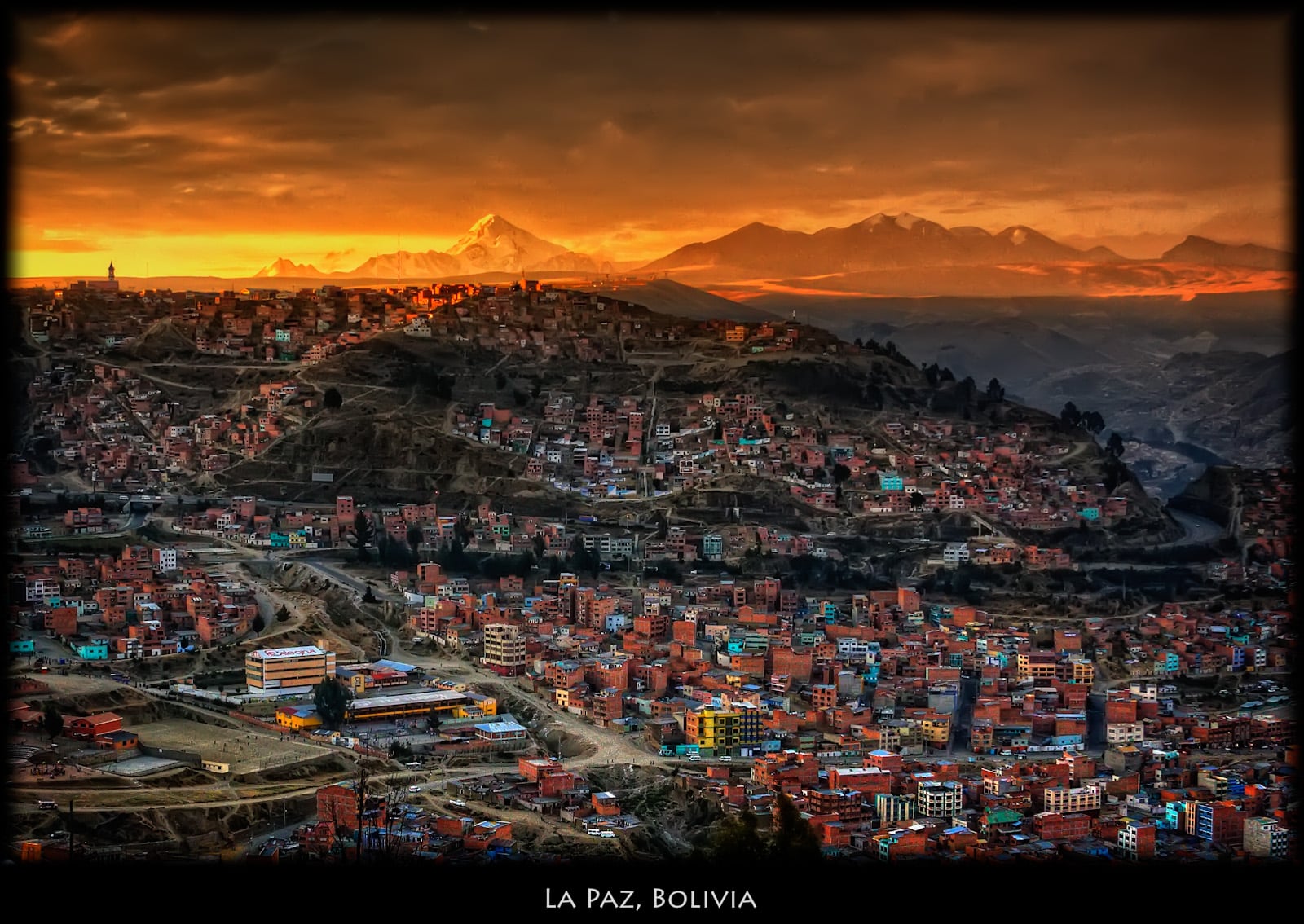
If you live in Bolivia or ship anything through it, the Bolivia diesel subsidy ending on Saturday is the most consequential thing to happen there this year. Diesel costs 83 percent more than it did on Friday. The fuel queues have gone. Bus fares have roughly doubled, and several sectors have called blockades.
One-stop reference
Company Intelligence
Every listed company in Latin America — financials, ownership and structure for 1,450+ companies across 26 exchanges, in one place.
What the Bolivia diesel subsidy decree changed
President Rodrigo Paz signed Supreme Decree 5716 on Friday 18 September and announced it that evening. From Saturday, diesel sells at Bs 17.95 a litre including tax, against Bs 9.80 before. That is 83 percent, and in dollars it takes the pump price from about US$0.89 to about US$1.63 a litre.
The bigger change is structural. The price is no longer set by decree at all. It now tracks an international diesel reference plus transport, storage, inspection, financing and customs costs, recalculated on business days. It only moves when the calculation drifts more than 5 percent from the posted price.
This is the second rise this year, which most coverage has missed. The price frozen in 2005 was Bs 3.72 a litre. It went to Bs 9.80 in January and to Bs 17.95 on Saturday. That is roughly a 382 percent increase in nine months.
Petrol has not changed. The hydrocarbons minister said so explicitly on Friday. But the law authorising the country’s new loan commits the government to ending all fuel subsidies from January 2027.
Why it happened now
Bolivia imports roughly 95 percent of the diesel it burns, at a cost of around US$90 million a week. Gas exports have meanwhile fallen from US$6 billion in 2014 to just over US$1 billion in 2025. Fuel imports have exceeded gas export income since 2022.
The buffer that used to absorb that is gone. Net international reserves stood at US$3.54 billion in March, but 95 percent of it is gold. Liquid foreign currency was US$144 million. That is why the fixed exchange rate collapsed in June after fifteen years, and why the fuel queues got worse every month.
There is an International Monetary Fund programme behind this, and it is worth being precise about its stage. A staff-level agreement for about US$1.9 billion over 36 months was announced on 29 July. Congress approved the borrowing on 18 September. The Fund’s executive board has not yet signed off, and ending the diesel subsidy is understood to be one of the conditions for it doing so.
The government also says about 40 percent of the fuel it was buying went to smuggling, illegal mining or resale. At Bs 17.95 Bolivian diesel now costs more than in Brazil, Chile or Argentina, which removes that incentive entirely.
What is actually happening on the roads
Less than the headlines suggest, so far, but it is fluid. The one confirmed blockade is on the old Santa Cruz to Cochabamba highway, at Mataral and Los Negros, installed on Monday by valley transport operators. Several other groups announced blockades that did not materialise, at least not on Monday.
Sugar and rice growers gave the government until Monday to reverse the decree. Coca growers in the Cochabamba tropics declared an emergency. The national drivers’ confederation called a meeting for Tuesday to decide on strikes and blockades, and refused to meet the government until it had met. Urban teachers have called a national march for 30 September rather than blockades.
Blockades are currently illegal. Bolivia has been under a state of exception since June, extended by 90 days on 17 September. The defence minister said police and the military would be used if necessary. Around 800 officers and troops went to road points in La Paz department, with more on the Cochabamba to Oruro road.
What it means if you are there
Fuel is available. This is the counterintuitive part and it is real: the queues that ran for hours, sometimes days, have largely disappeared in Santa Cruz, Cochabamba and La Paz. You will pay a great deal more, but you will be able to fill up.
Travel costs have jumped. Companies at the La Paz terminal raised fares 40 percent, Cochabamba up to 15 percent, and long interdepartmental routes by 90 to 100 percent. Urban drivers want the flat fare doubled from Bs 3 to Bs 6 (about US$0.27 to US$0.55). One operator said only 60 percent of its vehicles were running.
Check the road on the morning you travel rather than the night before. The old Santa Cruz to Cochabamba route is the one to avoid. Expect heavy police and military presence on trunk roads, and treat border crossing status as unverified until you confirm it.
The compensation package softens some of this. A cash transfer of Bs 874 million (about US$79 million) is going to around 2.9 million people. The school bonus rises from Bs 200 to Bs 300 (about US$18 to US$27). And up to Bs 800 million (about US$73 million) in credit at around 6 percent is available to hauliers, traders and producers.
The precedent everyone in Bolivia remembers
In December 2010 Evo Morales raised diesel by about 83 percent, almost exactly the figure now. The drivers struck, the labour confederation turned against him, and he cancelled the decree five days later. Bolivians call that episode the gasolinazo, and it is the reason no government touched the price for another fifteen years.
The difference this time is that the alternative has run out. In 2010 the subsidy cost US$380 to US$700 million a year. Paz puts it at US$55 million a week, more than US$2.6 billion a year, against reserves that are almost entirely gold.
So the question is not whether the policy is painful. It is whether a government three months into a fuel crisis and one month from an IMF board meeting can absorb the protest without reversing course. Watch the drivers’ decision and the labour confederation’s emergency meeting, which has been called but not yet scheduled.
Frequently Asked Questions
How much does diesel cost in Bolivia now?
Bs 17.95 a litre including tax, about US$1.63, up from Bs 9.80. The price is no longer fixed and will move with an international reference, recalculated on business days.
Has petrol gone up too?
Not yet. The hydrocarbons minister said the change covers diesel only for now. The law approving the IMF borrowing commits the government to ending all fuel subsidies from January 2027.
Are the roads blocked?
One confirmed blockade, on the old Santa Cruz to Cochabamba highway at Mataral and Los Negros. Several other groups announced blockades that had not materialised as of Monday. Check on the day you travel.
Is it easier or harder to buy fuel now?
Easier, at a much higher price. The long queues at filling stations in Santa Cruz, Cochabamba and La Paz have largely gone since the change, which is the government’s central argument for it.
This article was produced by The Rio Times’ automated newsroom system. How we use AI · Report an error
The Rio Times · Power Map
See who really holds power in Latin America
Click to open the Power Map →













 English (US) ·
  French (CA) ·
  French (FR) ·