

 11 hours ago
6
11 hours ago
6
PROTECT YOURSELF with Orgo-Life® QUANTUM TECHNOLOGY
Orgo-Life the new way to the future Advertising by AdpathwayBOLIVIA · US RELATIONS
Key Facts
- —The country Landlocked Andean nation led by President Rodrigo Paz since November 2025.
- —What happened The US kept Bolivia on its Tier 2 Watch List again.
- —When State Department report released on Thursday, 8 October.
- —The numbers Bolivia gave no figures on trafficking victims identified in 2025.
- —The risk A third watch-list year means Tier 3 unless Washington grants a waiver.
- —Still open No Bolivian government response found by Friday morning.
Washington’s annual grade gives La Paz one year to show progress before US law pushes Bolivia into the bottom tier.
The United States kept Bolivia on its trafficking watch list for a second straight year on Thursday, 8 October. The State Department’s annual Trafficking in Persons Report says Bolivia “did not demonstrate overall increasing efforts” against human trafficking.
The grade matters for a government that has just turned to the International Monetary Fund. A drop to Tier 3 in 2027 would let Washington, the IMF’s largest shareholder, oppose most new loans to Bolivia.
What the Trafficking Watch List Report Says About Bolivia
The State Department grades governments each year under the Trafficking Victims Protection Act, a US law passed in 2000. The Tier 2 Watch List covers governments that miss minimum standards and fail to show increasing efforts.
The 2026 report says Bolivia “remained on Tier 2 Watch List for the second consecutive year.” It also gives the new administration credit for “significant efforts” since it took office in late 2025.
Rodrigo Paz, a centre-right former senator, replaced the left-wing Movement for Socialism (MAS) government in November 2025. The report says his team “has faced ongoing protests and significant economic challenges inherited from the previous administration.”
Washington notes closer work between police and labour inspectors against forced labour. A law enacted in September 2025, before the handover, created penalties for online grooming of children.
Follow this story
Get an email when there’s news on Bolivia politics
Free. One email a day at most, and only when there is news. This also signs you up to our weekday newsletter, The LatAm Brief. Nothing arrives until you click the confirmation link, and you can stop either with one click. Privacy policy.
No Victim Data and a Shelter Still Closed
The government “did not report victim identification and assistance statistics for 2025,” the second year in a row.
Authorities separately identified 33 victims of child sexual abuse material, including potential sex trafficking victims. The government’s only trafficking shelter in La Paz “remained closed for a second year,” leaving most care to NGOs and faith-based groups.
Bolivia also gave no count of prosecutions for 2025. The latest figures, for 2024, show authorities “investigated 921 suspected trafficking offenses and convicted 11 traffickers.”
The national action plan for 2021 to 2025 expired, and no new plan was adopted for 2026.
Corruption, Mines and Migrants
The report calls “low-level corruption and official complicity” serious concerns. It cites allegations that officials “impeded investigations into mining cooperatives” and reports that police facilitate sex trafficking inside prisons.
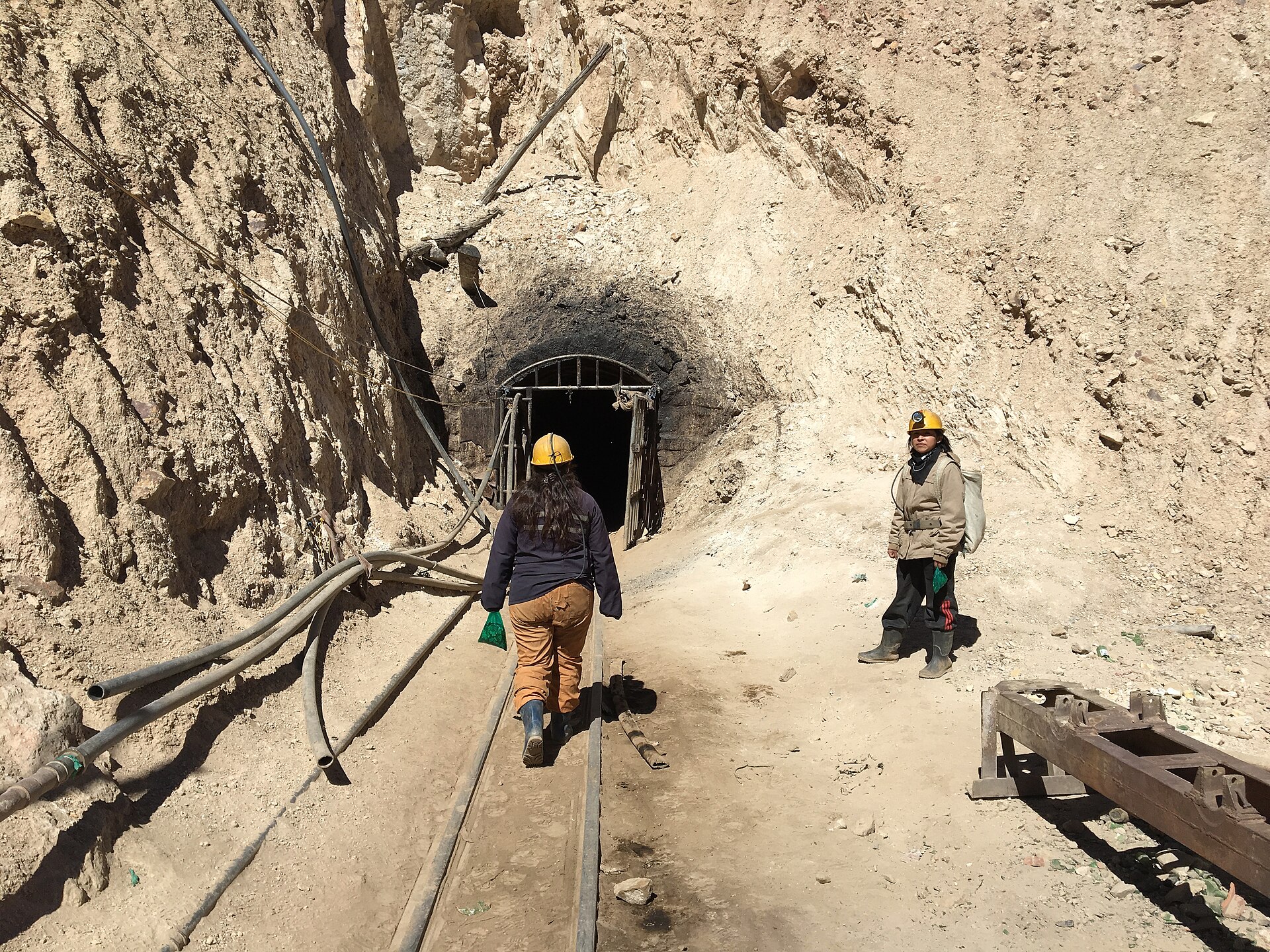
Forced labour occurs in domestic work, mining, ranching and agriculture, including gold mining with dangerous mercury exposure. Venezuelan migrants remain at high risk, and media and NGOs say the Venezuelan gang Tren de Aragua is involved.
On Thursday, Vice Minister of Interior Regime Peter Maldonado said fugitive former interior minister Eduardo del Castillo is probably hiding inside Bolivia.
Leaving the country could expose him to arrest by the US Drug Enforcement Administration, among others, Maldonado told Erbol, Opinión reported. Officials accuse Del Castillo of links to alleged Uruguayan drug lord Sebastián Marset.
What It Means for You
For investors, the watch-list grade sits next to Bolivia’s new IMF programme. The Central Bank of Bolivia confirmed a first tranche of US$211.3 million from a US$1.9 billion loan on Tuesday, El Deber reported.
A Tier 3 grade would let the US president curb non-humanitarian, non-trade aid. US directors at the IMF and development banks could be told to oppose most loans.
For US buyers of Bolivian gold and minerals, the report is a supply-chain warning. It also links Tren de Aragua, which Washington lists as a terrorist organisation, to trafficking in Bolivia.
What Is Not Known
No public response from Bolivia’s government had been found by Friday morning. The report does not say whether the data gap stems from the handover between governments.
It is also unclear whether a waiver would be available in 2027. After four straight watch-list years, Bolivia landed on the US “blacklist” in June 2018, Correo del Sur reported.
What Comes Next
Under US law, a third straight year on the trafficking watch list triggers an automatic downgrade to Tier 3. The Secretary of State can waive that under strict conditions, such as a credible written plan.
The 2027 report will be the first to judge a full year of the Paz government. The 2026 grade itself brings no sanctions, tariffs or visa changes.
Frequently Asked Questions
What is the Tier 2 Watch List?
It is a grade in the US State Department’s annual trafficking report. It covers governments that miss minimum standards and fail to show increasing efforts.
Why did the US keep Bolivia on the trafficking watch list?
The report says Bolivia gave no victim identification figures or prosecution count for 2025 and kept its only state shelter closed. It also cites official complicity and the lack of a new national action plan.
Can Bolivia fall to Tier 3?
Yes. US law moves a country to Tier 3 after a third straight watch-list year, unless the Secretary of State grants a waiver.
Does the ranking affect Bolivia’s IMF loan?
Not now. A Tier 3 grade would let the US president tell US directors at the IMF and development banks to oppose most loans.
Sources: US State Department, 2026 Trafficking in Persons Report: Bolivia; US State Department, 2026 Trafficking in Persons Report; El Deber; Opinión; Correo del Sur (all accessed 9 October 2026).












 English (US) ·
  French (CA) ·
  French (FR) ·