

 12 hours ago
7
PROTECT YOURSELF with Orgo-Life® QUANTUM TECHNOLOGY
Orgo-Life the new way to the future Advertising by Adpathway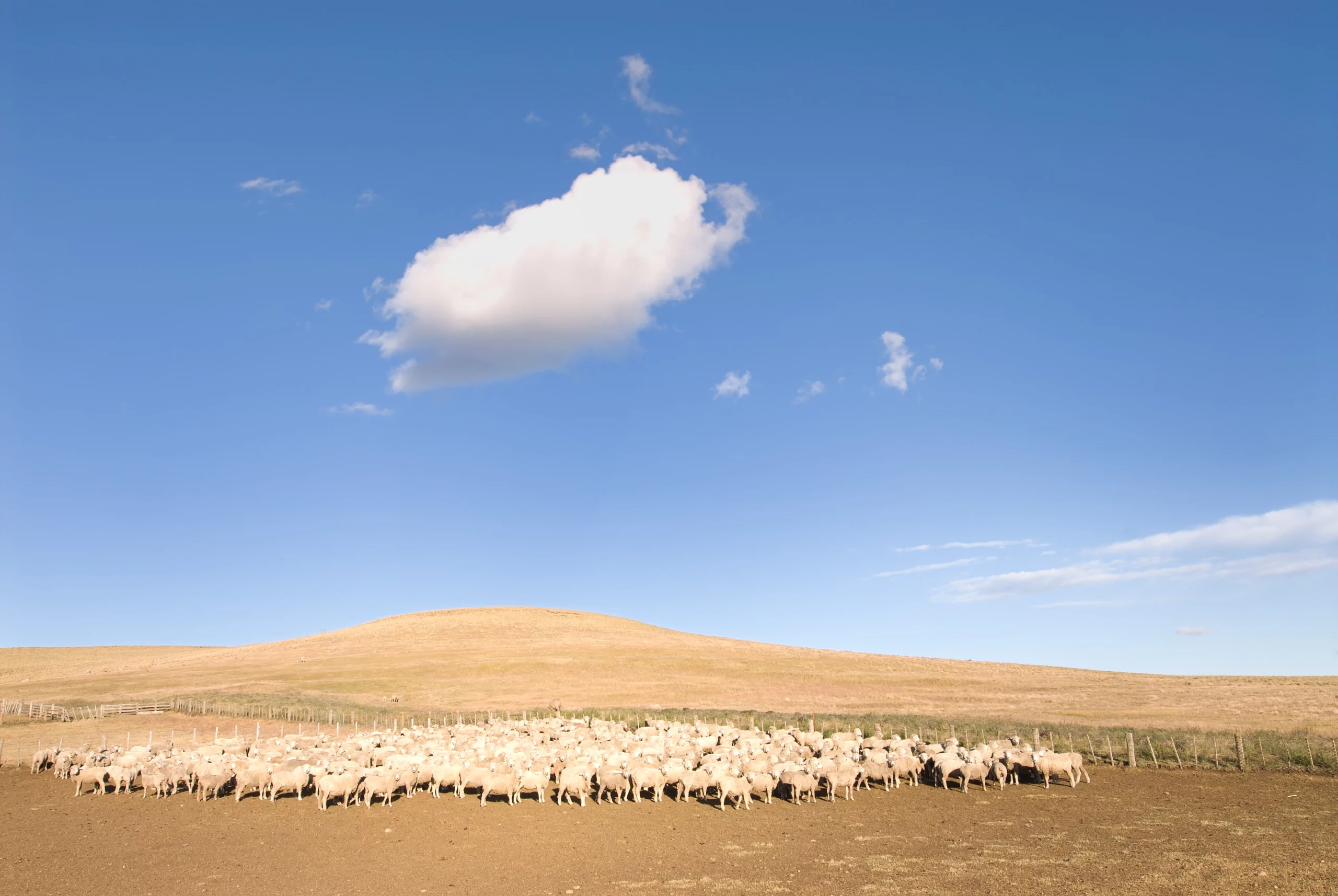
CHILE · GREEN HYDROGEN
Key Facts
- The country Chile, the world’s largest copper producer, which also wants to export green fuels.
- Power Index Chile ranks 3rd of 14 in The Rio Times Latin America Power Index, with 63.6 points (October 2026 edition).
- What happened A landowner wants a panel of ministers to cancel the project’s environmental approval.
- The project HNH Energy, a European consortium, plans US$11 billion of wind, hydrogen and ammonia plants in Patagonia.
- The challenge One appeal comes from the owner of Estancia San Gregorio, a protected heritage ranch.
- The wait The ministers have not published a ruling date as of Sunday 1 November 2026.
A Chilean landowner has announced appeals asking government ministers to overturn the US$11 billion hydrogen permit granted to the HNH Energy consortium in Patagonia. The project is the biggest investment ever submitted to Chile’s environmental review system.
Free daily brief — no card needed
Get every Business story in one morning email
We build you a personalized brief around the topics you follow — free for 7 days. Love it? Your first month after that is US$1.
Yes, email me my free daily brief — I can unsubscribe any time.
For US investors, the case shows that even a record clean-energy approval can be challenged after the vote. No ruling date has been published, and the ministers have not said when they will take up the case.
In Plain English
HNH Energy is a European consortium that includes the Danish investment fund Copenhagen Infrastructure Partners. It plans to use wind power to make green hydrogen and then green ammonia, a fuel and fertiliser ingredient that is easier to ship.
This hydrogen permit is an environmental approval from Chile’s Environmental Assessment Service (SEA), the national agency that reviews big projects for environmental harm. A regional commission of officials votes on each project once the SEA has finished its review.
The appeal goes to the Committee of Ministers, a panel of cabinet ministers chaired by the environment minister. The SEA’s executive director acts as the committee’s secretary.
How the Hydrogen Permit Was Approved
The Environmental Assessment Commission of the Magallanes region approved the project’s environmental impact study in late August 2026. All 12 voting members backed it.
The SEA’s own monthly table lists the hydrogen project at US$11 billion, the biggest of 36 projects approved across Chile in August. Those 36 projects together came to US$12.952 billion, and the SEA says July to September was a record quarter at US$19.514 billion.
The company filed its study in July 2024, so the review ran for about two years. The site covers the communes of Punta Arenas, Laguna Blanca and San Gregorio, with a seawater desalination plant and a port terminal.
The first phase would build 194 wind turbines with 1.4 gigawatts of capacity, which would later grow to 2.1 gigawatts. One gigawatt is roughly the output of a large power plant.
The company plans to start construction in 2027 and begin production in the second half of 2030. It expects up to about 4,000 workers at the peak of construction.
Why the Landowner Objects
Alfonso Campos, who owns Estancia San Gregorio, has said he will file appeals against the hydrogen permit with the Committee of Ministers. The estancia is a historic ranch that Chile treats as national heritage, and the project would be built beside it.
He argues that the project’s facilities would disturb the ranch and that the environmental review did not examine their location closely enough. He also questions the safety of storing ammonia, a toxic gas, near Route 255, which links Punta Arenas with San Gregorio.
His appeals add concerns about bird protection and about the effect on neighbouring properties and communities. He asks the ministers to replace the approval with a rejection.
What It Means for US Readers
US funds that follow Chile’s green hydrogen push should read the hydrogen permit fight as a timing risk, not a verdict. Construction is not planned before 2027, so the schedule already leaves room for the appeals.
Chile’s approvals have been surging, which makes this ruling a test of whether a big hydrogen permit survives a challenge. Any US lender, buyer or equipment maker tied to Chile’s clean-fuel export plans faces the same question about when a permit becomes final.
The consortium behind the project is European, so direct US exposure is limited to lenders, suppliers and future buyers. Chile’s wider resource story is in our guide to Chile’s natural resources.
What Comes Next
The Committee of Ministers can keep the hydrogen permit as granted, change its conditions or overturn it. The SEA, as its secretary, sends the case file to the ministers before they decide.
Our December 2025 report on the project’s troubles gives the earlier background. Our Santiago city guide and explainer on Chile’s people cover the rest of the country.
What Is Not Known
No date has been published for the ministers’ ruling. It is also not clear how many appeals will reach them or whether they will take them together.
The project’s financing and long-term buyers are not public, so it is not known whether US money is involved. The company has not said how an overturned hydrogen permit would change its 2027 construction plan.
More: Chile news in English, every day from The Rio Times.
Frequently Asked Questions
What is the HNH Energy project?
It is a US$11 billion plan in Chile’s Magallanes region to make green hydrogen and green ammonia with wind power. The first phase includes 194 turbines, and the plan also has a desalination plant and a port terminal.
Who is challenging the permit?
Alfonso Campos, owner of the heritage ranch Estancia San Gregorio, has said he will file appeals. He raises heritage, ammonia safety and bird protection.
Who decides the appeals?
Chile’s Committee of Ministers decides them. It is a panel of cabinet ministers chaired by the environment minister, with the SEA’s director as its secretary.
Does this affect US investors?
It adds timing risk for US lenders, buyers and suppliers linked to Chile’s clean-fuel plans. The consortium itself is European, and construction is planned for 2027.
Sources: SEA (Chile’s Environmental Assessment Service), monthly report on projects approved in August 2026, listing the HNH Energy green ammonia project at US$11,000 million, Magallanes commission, approved, 3 September 2026; SEA, report on September 2026 approvals and the July to September record of US$19,514 million, 6 October 2026; SEA, minutes of the Committee of Ministers, ordinary session No. 12/2026 (composition, chair and secretary), 31 August 2026; SEA, citizen participation page for the project ‘Proyecto integral para la producción y exportación de amoniaco verde – HNH ENERGY’ (e-SEIA file), 2024; InvestChile (Chile’s foreign investment promotion agency), project profile of the European consortium behind the green ammonia plan (owners, 194 turbines, 1.4 GW, 2027 start, 2030 operation), 2024.
Editorial responsibility: Matthias Camenzind, Editor-in-Chief · Editorial standards · Report an error
LatAm Markets: Live Signals → — real-time movers, turnover leaders and FX across Latin America.


















 English (US) ·
 French (CA) ·
 French (FR) ·