

 2 months ago
21
2 months ago
21
PROTECT YOURSELF with Orgo-Life® QUANTUM TECHNOLOGY
Orgo-Life the new way to the future Advertising by AdpathwayUpdated July 24, 2026 — 5:10pm,first published July 24, 2026 — 7:24am
Washington: A fresh wave of United States tariffs on goods including those from Australia and a spike in oil prices above $US100 a barrel due to the war against Iran is prompting fears Donald Trump could push the global economy to the brink of a worldwide recession.
Claiming that 60 nations were not doing enough to eliminate forced labour, the Trump administration revealed that from Friday afternoon Australian time it would hit most exports to the US with a 12.5 per cent tariff.
Trade Minister Don Farrell labelled tariffs as unjustified and called for them to be removed, while noting that since Trump’s “liberation day” tariffs of April last year, Australian exports to the US had climbed by 67 per cent.
He warned the latest tariffs, which excluded key Australian exports such as beef, gold and copper, were signs of a growing global divide between free trade nations and those intent on taxing imports.
“[The US] make it very clear that the way they see the future is increased tariffs. And the world is now dividing itself into two groups. Those countries that seek to use tariffs as a way of increasing their income and those who believe in free and fair trade,” he said.
The tariffs were not unexpected, as they will replace a 10 per cent tariff, found by the Supreme Court to be unconstitutional, that was due to end today.
A formal inquiry was launched by the US Trade Representative soon after the Supreme Court ruling into allegations that countries outside of America were financially advantaged by not adhering to anti-slavery and forced labour rules.
The Australian government made a submission arguing that Australia maintained a robust legal architecture against modern slavery, albeit in a different form to the US. It also pointed out that Australia and the US have a 20-year-old free trade agreement.
But in a notice issued on Thursday (Washington time), the US trade office said it had decided to impose the tariffs on Australia anyway, based on public comments, testimony, the advice of its committee and “in accordance with the specific direction of the President”.
The decision was announced just as Brent crude prices climbed to $US101 a barrel, their highest level since May, on growing concern over the level of world oil supplies because of the escalation in the war against Iran.
Houthi rebels attacked two Saudi Arabian oil tankers in the Red Sea on Thursday, prompting Trump to warn of a “massive attack” against Iran in retaliation.
ANZ economists estimate if oil supplies out of the Middle East, which have been severely disrupted over the past week, continue to be affected by the ongoing war, then Brent could reach $US120 a barrel. That would push unleaded petrol prices – already expected to reach $2 a litre early next month – well beyond $2.20 a litre.
The combination of Trump’s tariffs, the lift in oil prices and greater investor concern over spending by tech companies on AI-related infrastructure combined rippled through equity and currency markets. The ASX200 fell by 0.8 per cent to be almost 5 per cent down on where it was before the war against Iran began.
But the biggest shift was on government interest rates, which climbed sharply on fears inflation will be higher for longer – forcing central banks to tighten monetary policy.
The interest rate on Australian 10-year government bonds reached its highest level since mid-March, American rates hit their highest level of Trump’s current term while British rates are now well above the level that precipitated the collapse of the short-lived government of Liz Truss in 2022.
AMP chief economist Shane Oliver said the tariffs and increase in oil prices was a key risk not only to Australia but the global economy, which was already facing substantial headwinds.
He said the inflationary pressures unleashed by the tariffs and higher priced oil was clearly evident in the lift in government interest rates, which was a particular problem for the US where 15 per cent of its budget is now eaten up by net interest.
“What Donald Trump is doing is misplaced. He’s a bit of an economic neanderthal who is now managing to slow economic growth while pushing up inflation,” he said.
“You’ve got the war pushing up prices. You’ve got high public debt and now you’ve got more tariffs. It’s not good for the global economy which wasn’t travelling too well to begin with.”
The International Monetary Fund, which earlier this month downgraded its forecasts for global growth, warned at the time that the biggest risks of a deterioration stemmed from an escalation of the war in the Middle East, an increase in tariffs and higher interest rates on government debt.
The fund had forecast global growth of 3 per cent, just above what is considered a recession.
Australian Industry Group chief executive Innes Willox said the tariff decision was disappointing and meritless, noting the federal government had recently threatened to tighten modern slavery laws in a bid to avoid action by the US.
“Unfortunately, a tariff regime now appears to be the new normal when dealing with the United States and signals a further blow for Australian aspirations for a free and open global trading system,” he said.
Business Council chief executive Bran Black said Trump’s actions would hurt Australian businesses.
“This decision will make it harder for Australian businesses to compete and sell their products into the US market, hurting investment and our jobs,” he said.
The new tariffs applied to the US’ top 60 trading partners and covered 99.4 per cent of US imports, the US trade office said. But many countries escaped with a lower 10 per cent rate, including Argentina, Canada, India, Indonesia, Malaysia and the United Kingdom.
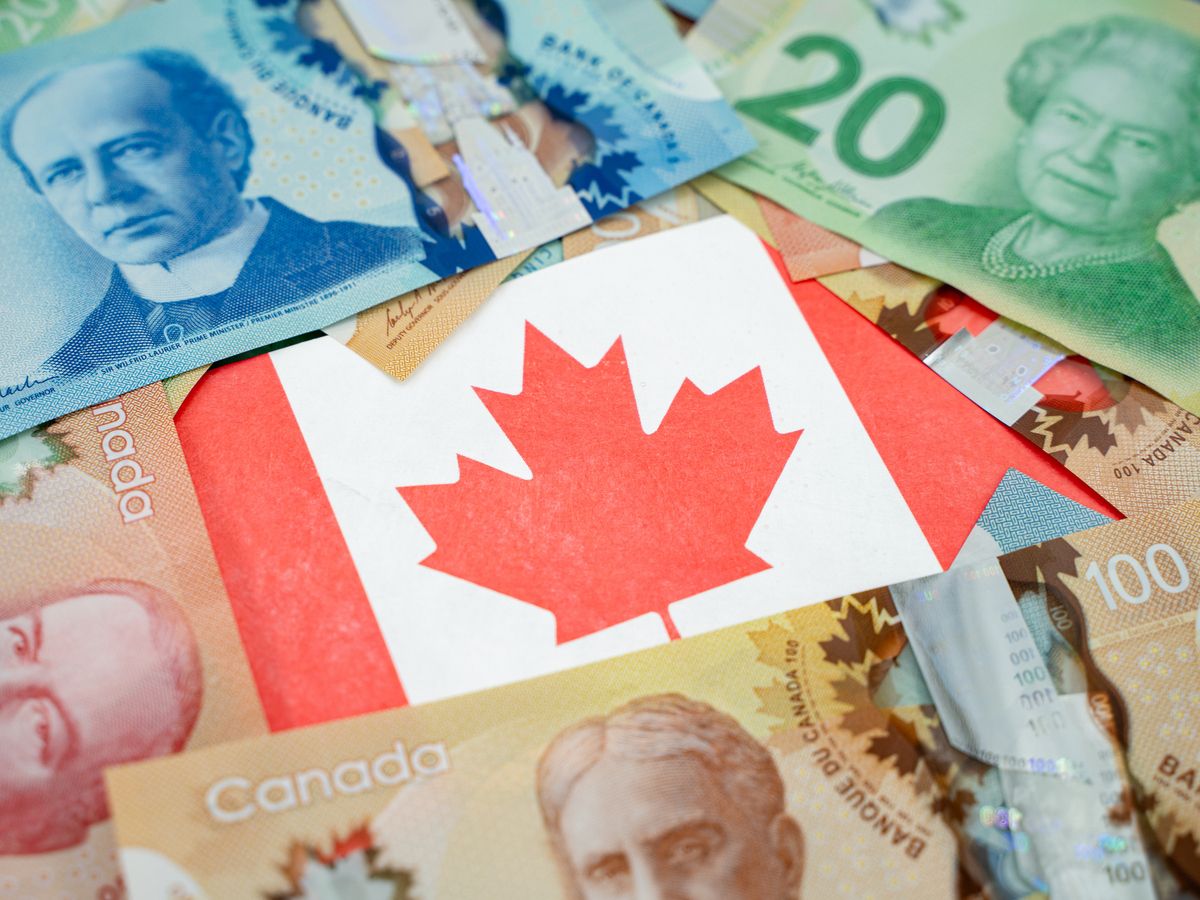
Some of those nations face separate tariffs. This week, Trump vowed to slap tariffs of up to 50 per cent on Canada, stretching from hockey sticks to cement, partly in response to the smoke from Canadian wildfires, which have spread south across the US.
Get a note directly from our foreign correspondents on what’s making headlines around the world. Sign up for our weekly What in the World newsletter.

















 English (US) ·
  French (CA) ·
  French (FR) ·