

 2 months ago
69
2 months ago
69
PROTECT YOURSELF with Orgo-Life® QUANTUM TECHNOLOGY
Orgo-Life the new way to the future Advertising by Adpathway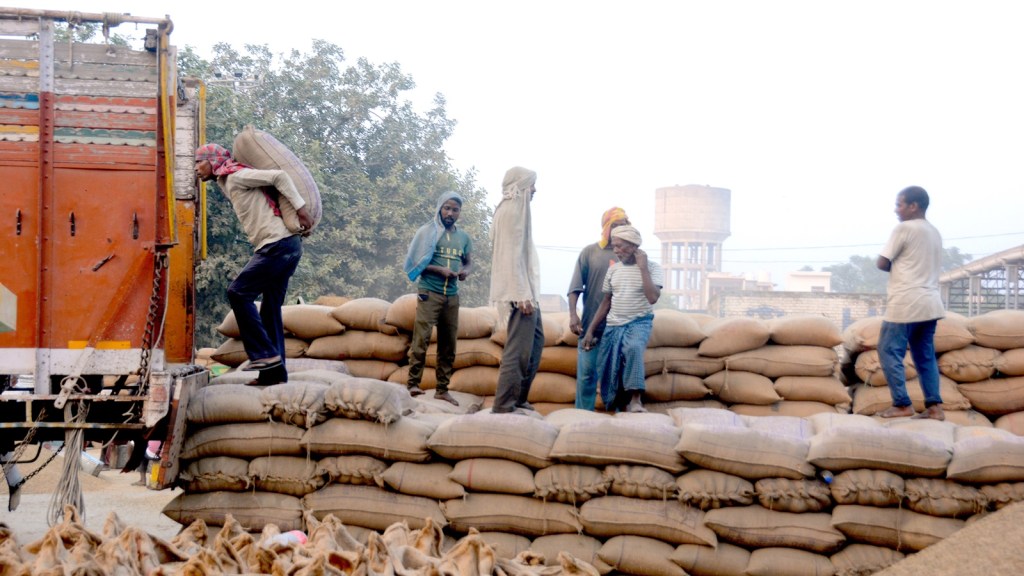 The government needs to prioritise deterrence measures against the crime and improve prosecution outcomes.
6 min readJul 30, 2026 03:25 PM IST First published on: Jul 30, 2026 at 03:23 PM IST
By Tina Kuriakose Jacob
They are hidden in plain sight. They may be behind closed doors — in brothels or trapped in online scamming. These are the victims of human trafficking (HT), and they remain trapped and misunderstood. They also remain at a distance, so no harm is visible to us, nor does it seem to be done. They are seen as voluntarily choosing the kind of work they do. Some even get paid for it. But there is more to HT than that which meets the eye. A common thread holds together sexual exploitation, forced labour, begging, domestic servitude, forced marriage and forms of HT prevalent in India.
According to the ILO, forced labour in the private economy generates $236 billion in illegal profits annually. Deceptive and fraudulent recruitment practices, with the withholding of wages that rightfully belong to workers, are a common experience for millions in India. The UN Global Report on Trafficking in Persons 2025 notes that women, children and migrant workers are disproportionately targeted by criminal networks.
Migrant workers are three times more vulnerable to HT, whether during domestic or international migration. Migrant women are more vulnerable to sexual and physically exploitative work conditions in certain sectors that are poorly regulated, like domestic work, agriculture, hospitality, and garment production. HT thrives due to the weak enforcement of laws and access to justice for its victims.
This year marks the 50th anniversary of the Bonded Labour System (Abolition) Act in India. Reports, however, suggest that few states are making progress in building justice systems for the poor and vulnerable. Dedicated resources, trained staff, coordination and convergence across all relevant government departments for rehabilitation of released bonded labourers are the need of the hour.
Additionally, the government needs to prioritise deterrence measures against the crime and improve prosecution outcomes. The high acquittal rate in HT cases (93 per cent) needs to be reviewed and improvements introduced in terms of police investigations, evidence gathering and chargesheet submissions in cases. Stronger and periodic inspections, oversight and monitoring are required in sectors prone to high risk of HT.
District administration, police and social welfare departments in states need to work together at various stages to address the crime: Pre-rescue to post-rescue. Follow-up post-rescue is critical to not only protect victims but also curb the crime and profiteering at the expense of the state. Where cases can be tried summarily, the muscle for this needs to be built out to ensure that all stakeholders are suitably empowered and informed and justice is not only done but seen to be done.
Across India, 2135 cases of HT were reported by the National Crime Records Bureau (NCRB) in 2024. The number of cases registered under the Bonded Labour System (Abolition) Act, 1976 fell from 1246 in 2023 to 657 in 2024. Odisha reported the highest number of victims rescued from HT (971), followed by Maharashtra (885) and Telangana (812).
Large numbers of HT victims are also reported from Bihar (639), Delhi UT (342), Rajasthan (333) and Andhra Pradesh (314). Of the 5,839 victims of HT rescued across the country in 2024, 40 per cent of the victims were rescued from sexual exploitation. Forced labour victims of HT constituted nearly 26 per cent of the victims rescued, with Delhi, Rajasthan, Jharkhand, Bihar and Odisha accounting for the five highest numbers of victims rescued from forced labour trafficking. Many victims are young: Those under 18 constitute 39 per cent of the total victims rescued. Though the formal record of the crime of HT with the police is seen for sexual exploitation, the “others” category requires further explanation.
Sixty-two per cent of the victims rescued from HT in 2024 were adults. Of these, 38 per cent were men. The nature of HT in India affects men, women, and young children, and the interventions designed at various levels of the justice system need to be mindful of these realities.
In 2016, the Ministry of Labour & Employment declared a vision to release and rehabilitate 1.84 crore victims of bonded labour. Between 2015 and 2025, across around 14 states and Union Territories, 16,428 persons were reported to have been released and rehabilitated under the 2021 Central Sector Rehabilitation Scheme for Bonded Labourers (CSS BLR Scheme). This figure is low compared to the rescues of victims of forced labour trafficking reported in the media and the NCRB during the same period.
The May 2026 Supreme Court judgment in the Prajwala case is a significant victory for anti-HT advocates. It places victims at the centre of the justice system, acknowledging that rescue alone is not enough. The absence of a robust “victim protection plan” carries a realistic risk of rendering any rescue effort an abortive exercise from the outset. Time-bound rehabilitation support to victims of trafficking, such as immediate cash assistance, medical help, trauma counselling, recovery of unpaid wages and related legal compensations, protection of victims and their families from harassment by perpetrators, is critical to make rescue meaningful.
Many good laws are already in place to protect vulnerable groups like women, children and members of Scheduled Castes and Tribes. But the proof of their effectiveness will be in measurable progress across states in terms of rescue from bondage, supported by release certificates from the district administration under the Bonded Labour System (Abolition) Act, 1976. Additionally, the value of the CSS BLR Scheme lies in the provision of a minimum corpus fund of Rs 10 lakh in districts for disbursement of immediate cash assistance to victims.
Citizens have a fundamental right to be protected against HT. Both destination and source states can therefore support the immediate and long-term needs of victims of bonded labour. Access to entitlements such as rations, housing, skill development, employment and education for children is a basic support required for these families to restore them to real freedom.
The writer is Consultant and Senior Research Fellow with The International Institute for Migration Development (IIMAD)




















 English (US) ·
  French (CA) ·
  French (FR) ·