

 2 months ago
80
2 months ago
80
PROTECT YOURSELF with Orgo-Life® QUANTUM TECHNOLOGY
Orgo-Life the new way to the future Advertising by AdpathwayBOLIVIA · TRAVEL
Key Facts
—The situation: Weeks of road blockades have cut off La Paz, triggering shortages of fuel, food and medical supplies.
—The emergency: La Paz department declared a 90-day humanitarian and health state of emergency on June 2.
—The hospitals: Hospitals are not fully functional and short of supplies, including oxygen, because of the blockades.
—The law: President Rodrigo Paz has signed legislation letting the army help clear blockades and impose emergency measures.
—The airport: Roadblocks have reached the highway to El Alto International Airport, disrupting transfers.
—The advice: Several governments urge avoiding non-essential travel to La Paz department for now.
If you are asking whether it is safe to travel to La Paz right now, the honest answer is to defer non-essential trips: weeks of blockades have left Bolivia’s capital short of fuel, food and even medical oxygen under a 90-day health emergency, and several governments advise against non-essential travel until the unrest eases.
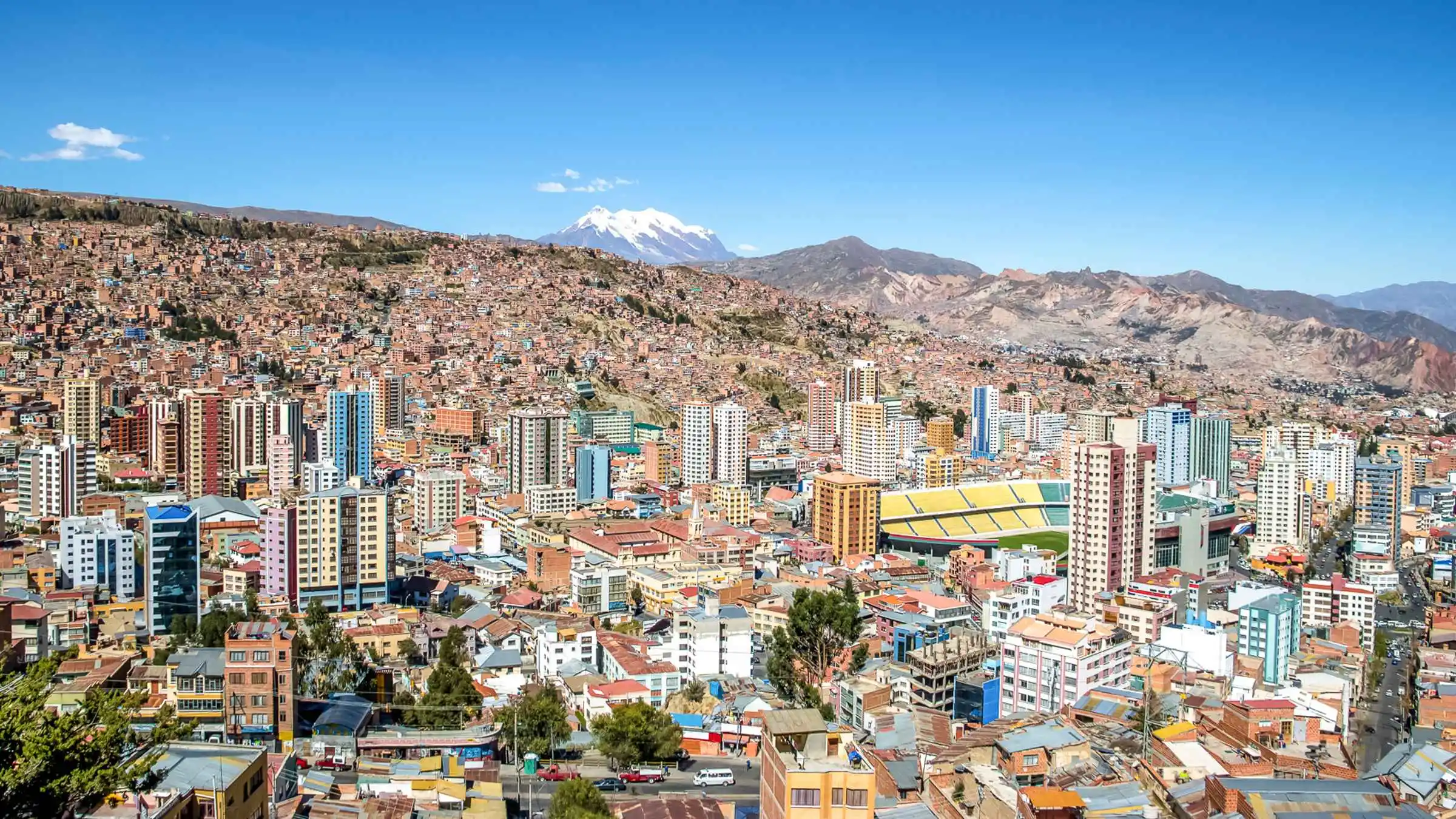
Why La Paz is blockaded
Bolivia is in its worst economic crisis in decades, driven by falling energy output and a shortage of US dollars. The strain has fed months of unrest that hardened into mass road blockades from early May.
Farmers angry over a land-mortgage law were joined by miners, teachers and Indigenous groups. Former president Evo Morales led a 190-kilometre march into La Paz on May 19, sharpening the pressure on the capital.
Dozens of highways have been blocked nationwide, choking the routes that feed La Paz and neighbouring El Alto. The result is a city that is hard to reach and harder to resupply.
Fuel, food and the hospitals
The blockades have produced real scarcity. Fuel, food, cash and medicine are all in short supply, and prices for basic goods have jumped.
On June 2 the La Paz department declared a 90-day humanitarian and health state of emergency. Officials say hospitals are not fully functional and lack supplies, including oxygen, because deliveries cannot get through.
For a traveler, that changes the calculus. A minor medical problem that is routine at home can become serious when pharmacies are empty and hospitals are rationing.
The new military-deployment law
Late in May, Congress passed a law allowing the government to use the army against civil unrest. President Rodrigo Paz then signed legislation easing the declaration of a state of emergency and empowering the military to clear blockades.
The clashes have already turned deadly, with at least 10 people killed and hundreds arrested since the unrest escalated. Washington has urged against any unconstitutional move to topple the government, a sign of how tense the standoff has become.
For visitors, the practical takeaway is that security operations and blockade-clearing can flare without warning. Streets that are calm one hour can close the next.
Getting in and out: the airport and roads
Flights may still operate, but the weak link is the ground. Roadblocks have reached the highway to El Alto International Airport, so the transfer between the airport and the city can be slow or impossible.
Overland travel between cities is the riskiest option. Intercity roads through the La Paz, Oruro and Potosí regions are the most heavily blockaded and prone to confrontation.
If you already hold a ticket, confirm the flight directly with your airline and build in a large time buffer. Do not assume a normal airport run.
Practical advice if you must travel to La Paz
First, defer anything non-essential until blockades lift and the emergency is rescinded. The single best protection right now is not being there.
If you cannot postpone, carry cash, bring a full supply of any prescription medication, and stock water, food and a power bank. Choose private healthcare over strained public hospitals if you need care.
Buy travel insurance that explicitly covers medical evacuation and hospital stays, and register with your embassy on arrival. Avoid every protest and blockade, keep your documents on you, and check your government’s advisory daily.
Frequently Asked Questions
Is it safe to travel to La Paz right now?
Several foreign ministries advise against non-essential travel to the La Paz department. Weeks of blockades, shortages and sometimes-deadly clashes make it high-risk, so defer your trip if you can.
Are flights to La Paz still operating?
Flights may still run, but roadblocks on the highway to El Alto International Airport can make the ground transfer unreliable. Confirm directly with your airline and allow a very large buffer.
What shortages should I expect?
Fuel, food, cash and medicine are all scarce. Hospitals are strained and short of supplies, including oxygen, so bring your own prescriptions and carry cash.
What insurance and precautions do I need?
Get travel insurance covering medical evacuation and hospital stays, register with your embassy, and avoid all protests and blockades. Carry food, water and medication, and monitor official advisories daily.
The Rio Times · Power Map
See who really holds power in Latin America
Click to open the Power Map →













 English (US) ·
  French (CA) ·
  French (FR) ·