

 1 day ago
13
PROTECT YOURSELF with Orgo-Life® QUANTUM TECHNOLOGY
Orgo-Life the new way to the future Advertising by Adpathway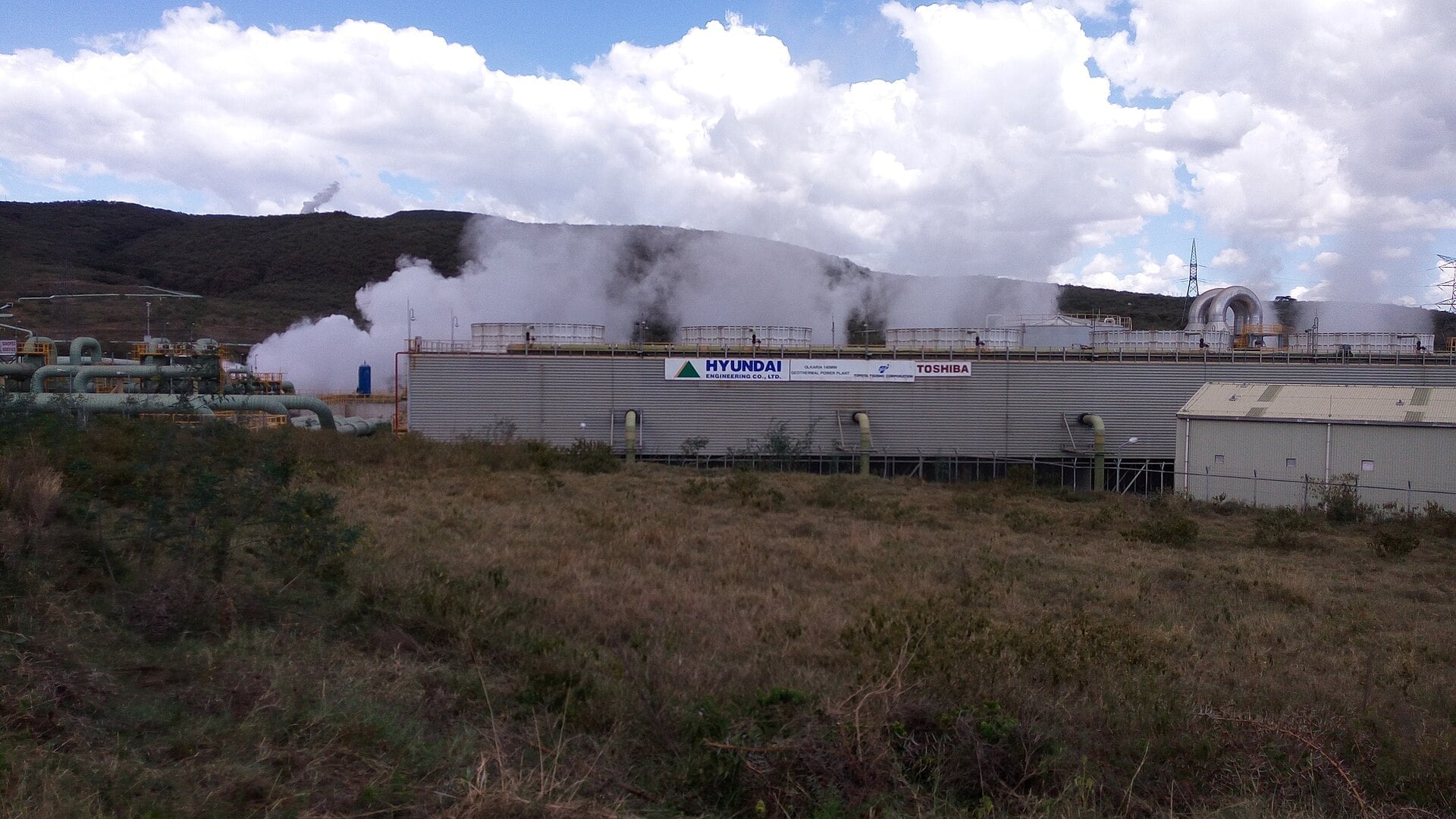
KENYA · ENERGY
Key Facts
- The money About US$78.5 million: US$33.5 million from the World Bank and US$45 million from the Green Climate Fund.
- The plan Grid batteries of up to 100 megawatts that can run for about two hours.
- Who builds it KenGen, Kenya’s largest electricity producer, which must first finish feasibility studies.
- Candidate sites Embakasi in Nairobi, Kipevu on the coast, Muhoroni in western Kenya, and Olkaria.
- Still open Final sites, size, start date and the supplier have not been announced.
KenGen battery storage is set to get about US$78.5 million from the World Bank and the Green Climate Fund, a UN-backed climate fund. KenGen is Kenya’s largest electricity producer, and the money is earmarked in the World Bank’s programme documents as of Thursday 5 November 2026.
Free daily brief — no card needed
Get every Africa story in one morning email
We build you a personalized brief around the topics you follow — free for 7 days. Love it? Your first month after that is US$1.
Yes, email me my free daily brief — I can unsubscribe any time.
The batteries would store surplus power, mostly from geothermal plants, and release it when demand peaks. For US readers it shows how climate finance is being used to make an East African grid steadier.
What the Money Pays For
The financing sits inside the World Bank’s GREEN programme, a package of Kenyan power-sector projects. Its battery component draws US$33.5 million from the World Bank’s International Development Association and US$45 million from the Green Climate Fund.
In local money that is about 10.2 billion Kenyan shillings (US$78.5 million at 129.95 shillings per US$1 on 4 November). The plan calls for batteries of up to 100 megawatts that can supply power for about two hours.
KenGen is the implementing agency, which means it runs the project. It must first complete feasibility studies that fix the size, design and use of each site.
Follow this story
Get an email when there’s news on Kenya
Free. One email a day at most, and only when there is news. This also signs you up to our weekday newsletter, Africa Intelligence. Nothing arrives until you click the confirmation link, and you can stop either with one click. Privacy policy.
Where the Batteries Could Go
The World Bank’s documents list four candidate sites. They are Embakasi in Nairobi, Kipevu on the coast, Muhoroni in western Kenya and the Olkaria geothermal complex.
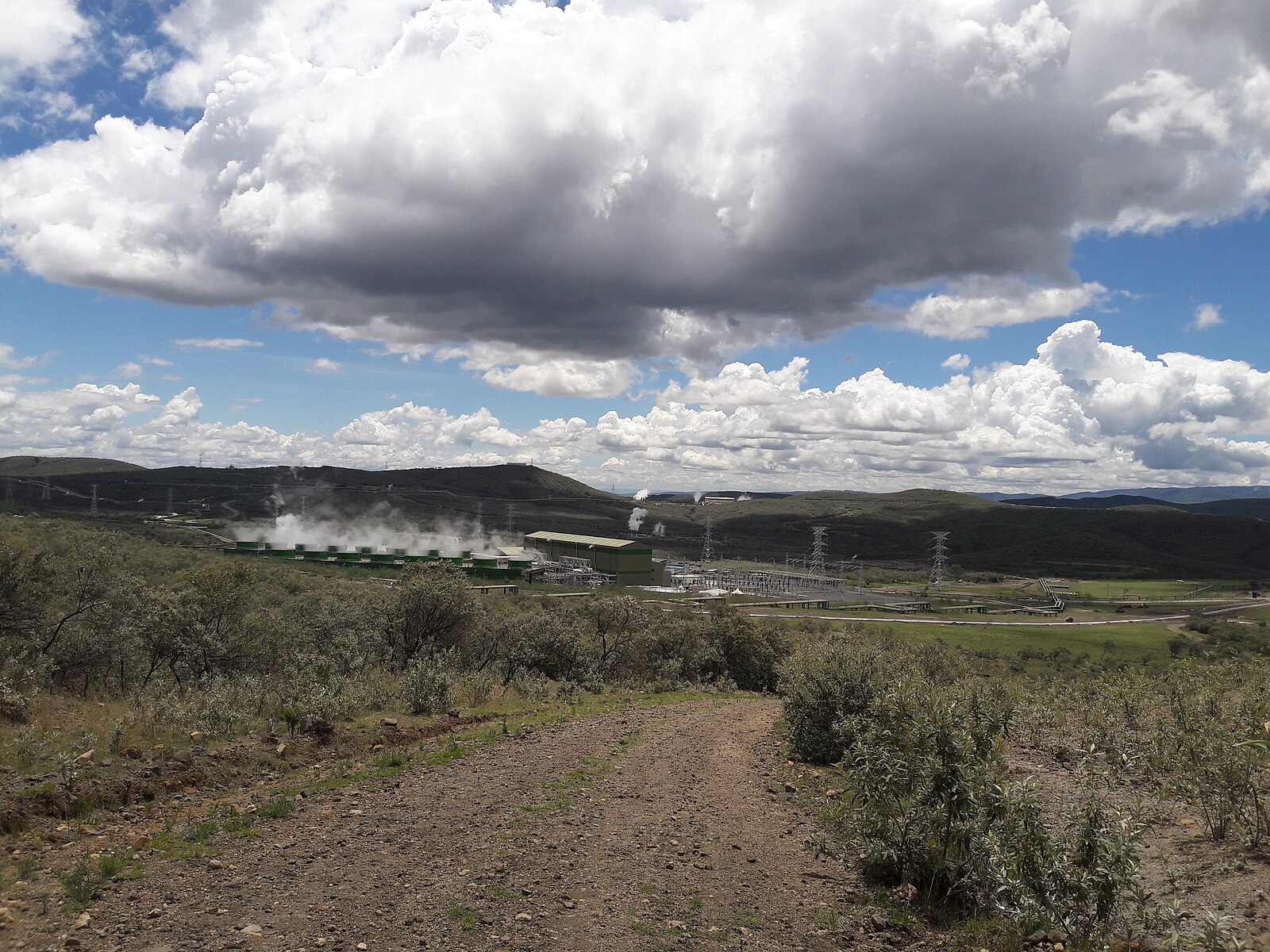
Olkaria, in the Rift Valley near Naivasha, is where KenGen produces most of its geothermal power. Geothermal plants run steadily day and night, so batteries can hold their surplus for the evening peak.
Storage also adds stability to the grid, because batteries can respond within seconds when supply or demand suddenly changes. That makes the whole network easier to run.
KenGen’s Battery Push So Far
On Tuesday 29 July 2025 KenGen unveiled its first battery system. The 1.16 megawatt-hour unit at its Nairobi head office supports a modular data centre, so the company has only started small.
The company’s strategy to 2034 sets a target of 500 megawatt-hours of energy storage over the next decade. The World Bank-backed project would be a much larger step than the first unit.
The company is also changing leaders, with Ronoh Kibet named as the next chief executive. Our earlier report on KenGen’s Olkaria licence covers the company’s geothermal base.
In Plain English, Who Is Who
KenGen is the Kenya Electricity Generating Company, Kenya’s largest producer of electricity and a major geothermal operator. It sells its power to the national grid.
The International Development Association is the World Bank’s fund for lower-income countries. The Green Climate Fund is a UN-backed fund that finances climate projects in developing countries.
A battery storage system stores electricity when there is too much and gives it back when there is too little. Megawatts measure how fast it can deliver power, while hours show how long it can keep going.
What It Means for You
If you follow energy markets, the project shows that grid batteries are reaching East Africa with the help of multilateral money. It may open work for equipment makers and engineering firms once KenGen runs its purchasing.
If you travel or do business in Kenya, a steadier grid is meant to mean fewer outages for hotels, offices and factories. The project also shows that multilateral lenders are backing Kenya’s shift to renewable power.
What Is Not Known
It is not known which of the four candidate sites KenGen will choose, or how many it will build. No start date for construction has been announced.
It is also not known who will supply the batteries. The final capacity depends on the feasibility studies, so the figure of up to 100 megawatts may change.
More: Africa news in English, every day from The Rio Times.
Frequently Asked Questions
How much money is KenGen getting for battery storage?
About US$78.5 million is earmarked for the project. It comes from the World Bank (US$33.5 million) and the Green Climate Fund (US$45 million).
How big will the batteries be?
The World Bank’s documents describe batteries of up to 100 megawatts that can run for about two hours. KenGen’s feasibility studies will confirm the final size.
Where will the batteries be built?
Four sites are under study: Embakasi in Nairobi, Kipevu on the coast, Muhoroni in western Kenya and the Olkaria geothermal complex. No final choice has been announced.
Why does Kenya need grid batteries?
Geothermal and other renewable plants often produce more power than the grid needs at some hours. Batteries store that surplus and release it at peak times, which keeps the grid steadier.
Sources: World Bank, Kenya GREEN Program Phase 2, project P180465; KenGen, notice on the World Bank-funded battery storage project, 24 Nov 2023; KenGen, first battery storage system for its data centre, 29 Jul 2025; Central Bank of Kenya, exchange rate of 129.95 shillings per US$1, 4 Nov 2026.
This article was produced by The Rio Times’ automated newsroom system. How we use AI · Report an error · Editorial responsibility: Matthias Camenzind, Editor-in-Chief















 English (US) ·
 French (CA) ·
 French (FR) ·