

 5 hours ago
14
5 hours ago
14
PROTECT YOURSELF with Orgo-Life® QUANTUM TECHNOLOGY
Orgo-Life the new way to the future Advertising by AdpathwaySecurity: Peru
Key Facts
—Who. Keiko Fujimori, Peru’s conservative president since 28 July 2026, with the Armed Forces and the National Police.
—What. A unified command of 1,350 troops and police, called the Combined Forces for the Fight Against Organised Crime.
—Where. Announced at Army headquarters in San Borja, a district of Lima, where a control and operations centre will run.
—When. Wednesday 7 October 2026, after a meeting of the National Security and Defense Council.
—Status. Announced. We found no start date for field operations in the reports we reviewed.
—As of. 7 October 2026, 23:44 GMT.
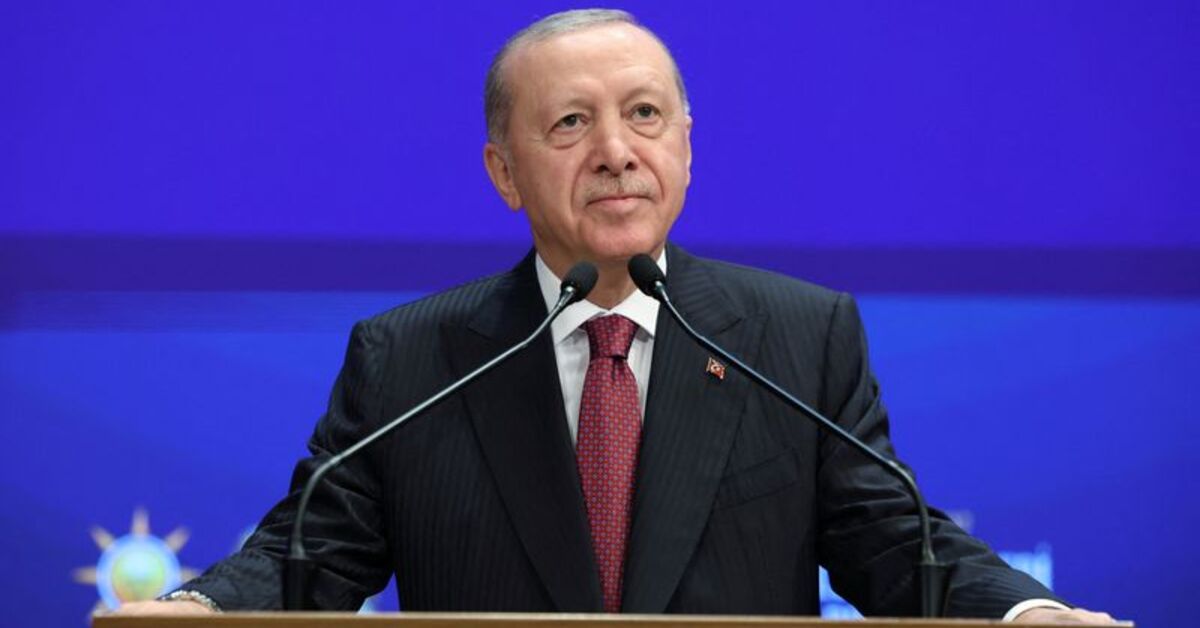
Peru’s President Keiko Fujimori announced a joint command of 1,350 soldiers and police officers to fight organised crime on Wednesday 7 October 2026. The force will run from a new control centre at Army headquarters in Lima, and Fujimori called it “a total offensive” against criminals.
What We Know
Fujimori presented the Combined Forces at the Plaza Cáceres of the Army headquarters in San Borja. The ceremony followed a session of the National Security and Defense Council, according to RPP and Nacional TV Perú.
The force has 1,350 members: 500 from the Army, 250 from the Air Force, 200 from the Navy, 80 from the Joint Special Forces and 320 police officers from specialised units. RPP attributes these figures to a statement from the Interior Ministry.
A large control and operations centre at Army headquarters will direct all actions, RPP and Infobae report. The plan also creates an elite group of police and soldiers for search-and-capture operations.
Follow this story
Get an email when there’s news on Lima (Peru)
Free. One email a day at most, and only when there is news. This also signs you up to our weekday newsletter, The LatAm Brief. Nothing arrives until you click the confirmation link, and you can stop either with one click. Privacy policy.
What the Plan Includes
Fujimori said the government will remove foreigners who “came to break the law” from the country in record time. Infobae adds that the plan covers accelerated deportation of foreign nationals convicted of crimes.
The government also plans to take control of prisons and to isolate inmates who keep directing crimes from inside. A special commission will coordinate the financial intelligence unit, the intelligence directorate and private telecoms companies, according to RPP.
“The time has come to go forward in a total offensive,” Fujimori said, in our translation of her Spanish words. She said the armed forces must act within the Constitution and the law, citing Article 44, which makes the state responsible for protecting the population.
The Crime Problem Behind the Decision
Extortion is the crime Peruvians complain about most. The public prosecutor’s crime observatory reports that extortion cases have grown 33.8% since 2022, against 3.1% for all crimes it tracks, according to Infobae.
Official figures show 26,585 extortion complaints in 2025, up from 22,361 in 2024. Homicide rates have also climbed, from 8.6 per 100,000 people in 2021 to a provisional 10.7 in 2025, according to the national statistics institute INEI.
Police figures for early 2026 show fewer complaints than a year earlier, but prosecutors’ records and opinion surveys point the other way. A March 2026 report by the BCP-Credicorp crime observatory, using Ipsos data, found that a quarter of adults had been victims of extortion or knew a victim in the previous three months.
The gap between sources is part of the story. Peruvians say they feel less safe even where police counts fall, which is the pressure the new command answers.
Why This Comes Now
Fujimori took office on 28 July after campaigning on security, and crime has stayed at the top of Peruvian politics since. Her government is also asking Congress for decree powers on citizen security and the El Niño weather pattern.
The Chamber of Deputies voted on 6 October to give her 90 days of decree powers, with 66 votes in favour and 24 abstentions, according to Andina. The Senate must still approve or change the text before she can sign it.
What Is Not Known
The reports we reviewed give no date for the first operations. They also do not say how the new force will share command with existing police units, or how long it will stay together.
No budget for the command has been published. It is also unclear how the plan to remove foreigners will be applied, and which legal steps will govern those cases.
What It Means for Travelers and US Readers
Peru is one of the world’s largest producers of cocaine, according to the United Nations drug agency, so its security policy matters to US drug enforcement. Extortion and organised crime also affect mining, transport and retail firms that sell to US customers.
Visitors should expect a stronger military and police presence in some areas as the command starts work. Travelers should follow the US State Department’s advisory for Peru and local alerts, and should not read the announcement as a change in the current risk level.
More: Peru news in English, every day from The Rio Times.
Frequently Asked Questions
What is Peru’s new unified command?
It is a joint force of 1,350 soldiers and police officers, announced by President Keiko Fujimori on 7 October 2026. It will run from a control centre at Army headquarters in San Borja, Lima.
Who is in the force?
The force has 500 Army, 250 Air Force and 200 Navy members, 80 from the Joint Special Forces and 320 police officers. RPP attributes the figures to the Interior Ministry.
What will the command do?
It will hunt criminals through an elite group, take control of prisons and isolate inmates who direct crimes. It also covers faster removal of foreigners convicted of crimes, according to Infobae.
Why does this matter to US readers?
Peru is one of the world’s largest cocaine producers, according to the United Nations drug agency. Organised crime also affects firms and travelers with US links.












 English (US) ·
  French (CA) ·
  French (FR) ·