

 1 month ago
45
1 month ago
45
PROTECT YOURSELF with Orgo-Life® QUANTUM TECHNOLOGY
Orgo-Life the new way to the future Advertising by AdpathwayCulture
Key Facts
—The finding. A genetic study of Peru’s traditional cacao trees uncovered four previously unknown genetic groups.
—The flavour. Two of the four groups have ancestry that suggests especially high-quality, aromatic beans.
—The method. Researchers analysed 390 wild and semi-wild trees on indigenous farms across eight Peruvian regions.
—The stakes. Peru is the world’s eighth-largest cocoa producer, with more than 80,000 farming families.
—The study. The findings were published in the open-access journal PLOS One on July 6, 2026.
A discovery in the Amazon could sweeten Peru’s place in the world of fine chocolate. A genetic study of Peru cacao trees has uncovered four previously unknown lineages, two of them hinting at especially delicious beans.
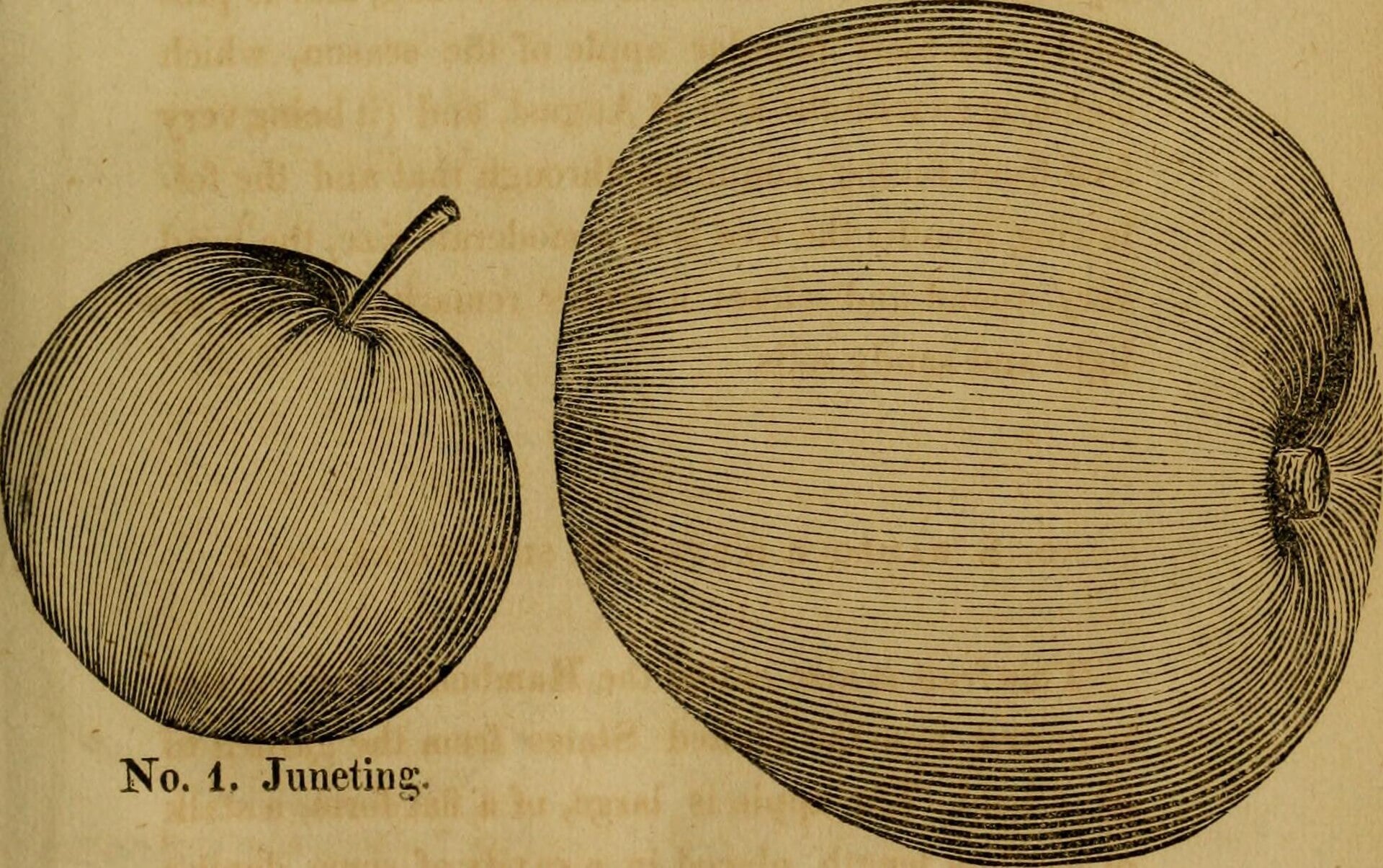
For a country that already trades on the quality of its cacao, the find is more than a scientific curiosity. It points to untapped flavour hiding in plain sight, on farms that families have worked for generations.
The research was published in the open-access journal PLOS One in early July. It was carried out by scientists from the University of the West Indies in Trinidad and a Peruvian university in the Amazon region.
Cacao is the raw material of all chocolate, the seed of a tropical tree that grows best in warm, humid climates near the equator. The genetic makeup of each tree influences the flavour, aroma, and quality of the beans it produces, which is why mapping diversity matters to growers and chocolate makers alike.
One-stop reference
Company Intelligence
Every listed company in Latin America — financials, ownership and structure for 1,450+ companies across 26 exchanges, in one place.
What the Peru cacao study found
The team analysed the DNA of 390 wild and semi-wild cacao trees. These were grown on indigenous farms spread across eight regions, from the Amazon lowlands to the foothills of the Andes.
Scientists had long sorted the world’s native cacao into ten genetic groups. This study added four more that had never been formally identified, reshaping the map of the crop’s diversity.
Genetic groups are clusters of plants that share similar DNA and evolutionary history, often reflecting where and how they adapted over thousands of years. Identifying them helps scientists understand which trees might carry desirable traits like disease resistance or superior flavour.
Crucially, the researchers found that different parts of Peru carry their own genetic signatures. In other words, a cacao tree from one valley can be genetically distinct from one grown a few hundred kilometres away.
The study also rewrote the pedigree of a workhorse variety. It found that the widely grown commercial cultivar known as CCN-51 owes a large part of its make-up to native Peruvian lineages, more than previously understood.
Two of the four new groups stood out. Their ancestry suggests they may produce beans of unusually high quality, exactly the kind that premium chocolate makers prize.
Why it matters for Peru
Cacao is a serious business for Peru. The country is the world’s eighth-largest cocoa producer, and more than 80,000 farming families depended on the crop as of a couple of years ago.
Much of that cacao is grown the old way. Many Peruvian farms cultivate wild and semi-wild varieties that have not been reshaped by selective breeding or genetic engineering, preserving a natural diversity that has now proved scientifically valuable.
Wild cacao refers to trees that grow naturally without human cultivation, while semi-wild trees are those that farmers have tended lightly over generations without intensive breeding programs. Both types tend to harbour more genetic variation than modern commercial plantations.
One of the researchers made the point vividly. These genetic treasures, he said, were not locked away in a laboratory but growing in farmers’ backyards, waiting to be characterised and valued for the premium market.
From the lab to the chocolate bar
The practical payoff lies in what is called the fine-flavour market. Unlike bulk cocoa, fine-flavour cacao commands a premium for its distinctive taste, and Peru is trying to build a bigger share of it.
Fine-flavour cacao represents a small fraction of global production but fetches higher prices because of its complex aromas and nuanced taste profiles. It is the foundation of craft chocolate and single-origin bars that highlight the character of beans from specific regions or farms.
The new lineages give breeders and chocolate makers a fresh resource to work with. They could help develop new varieties, protect rare ones, and let producers market a bean with a verified and unique genetic pedigree.
For anyone living in or visiting Peru, it adds another layer to a food story that already runs deep. The country’s cacao, like its cuisine, is increasingly a point of national pride and a draw for curious travellers.
The work also has a conservation angle. By mapping this diversity, scientists make it easier to protect native trees that might otherwise be lost as farming and the climate change around them.
Questions remain about how quickly these findings will reach farmers and markets. Will the new lineages be incorporated into breeding programs, and can smallholders access the benefits of premium pricing for rare genetics?
Frequently Asked Questions
What did the Peru cacao study discover?
Researchers analysed 390 wild and semi-wild cacao trees on indigenous farms across eight Peruvian regions and found four previously unknown genetic groups, in addition to the ten already recognised worldwide. Two of the new groups may produce especially high-quality, aromatic beans.
Why does it matter for chocolate?
The new lineages are a fresh genetic resource for the fine-flavour chocolate industry, which pays a premium for distinctive beans. They give breeders and producers new material to develop varieties and market cacao with a unique, verified pedigree.
How important is cacao to Peru?
Peru is the world’s eighth-largest cocoa producer, and more than 80,000 farming families relied on the crop as of 2024. Its cacao, much of it wild or semi-wild, is a growing point of national pride alongside the country’s celebrated cuisine.

















 English (US) ·
  French (CA) ·
  French (FR) ·