

 1 month ago
78
1 month ago
78
PROTECT YOURSELF with Orgo-Life® QUANTUM TECHNOLOGY
Orgo-Life the new way to the future Advertising by AdpathwayTourism
Key Facts
—The number. More than 132,000 travellers used the Panama Stopover to visit the country in the first half of 2026.
—The growth. That is up 38% on the same period last year and the best half-year since the program began.
—The deal. Copa passengers can stop in Panama at no extra airfare, now for up to 15 days.
—The spend. Each visitor stays about eight days and spends close to $2,051.
—The markets. The top source countries were Argentina, the United States and Ecuador.
—The target. The program is on track to top 250,000 visitors for the full year.
The Panama Stopover is a simple idea with a growing payoff: break your flight, see the country, pay nothing extra. In the first half of 2026 more travellers took the offer than ever before.
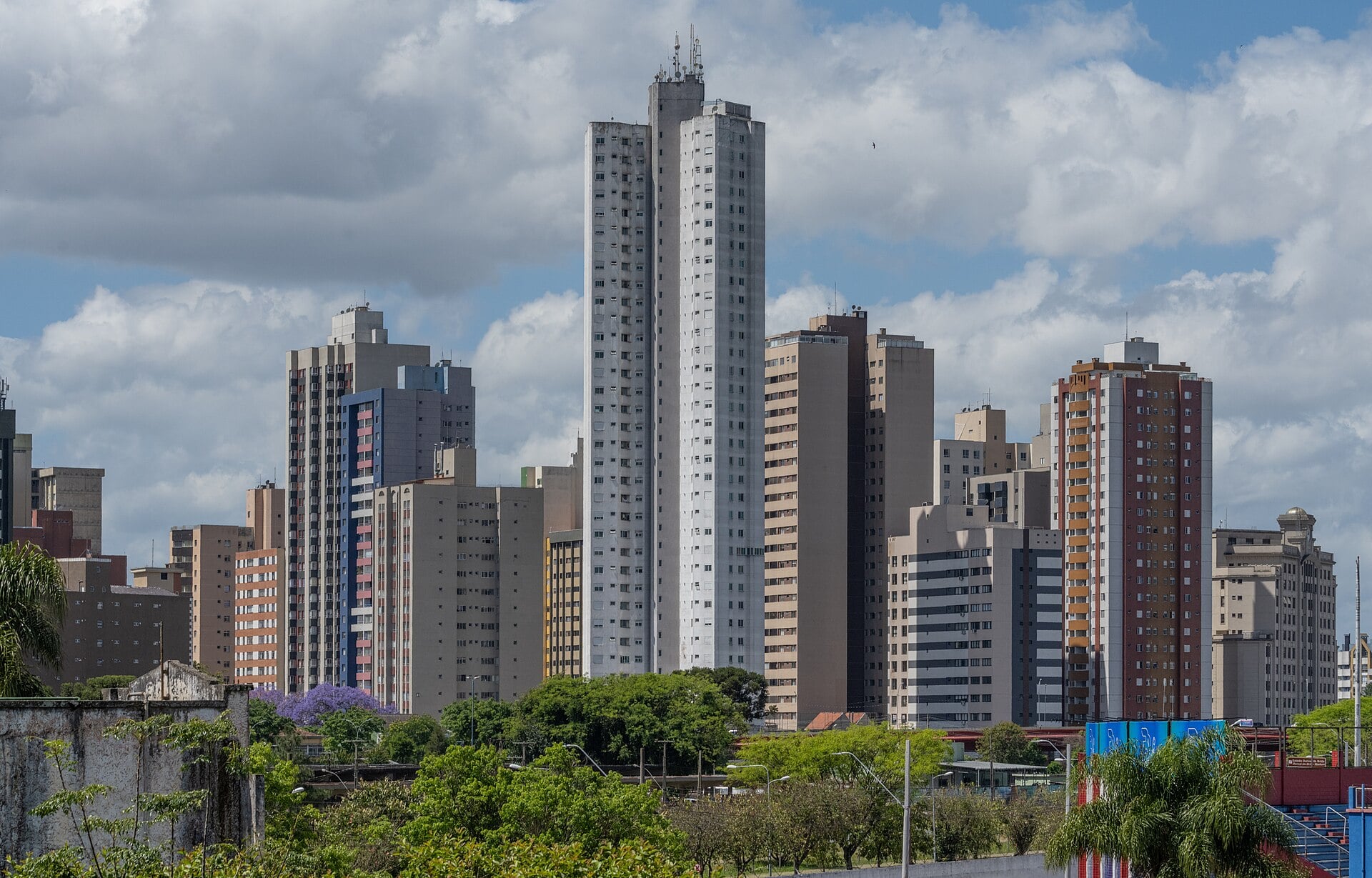
Panama has long been a place people fly through rather than to. Its national airline is trying to change that, one layover at a time.
The latest figures suggest it is working. The scheme just posted its strongest half-year since it launched.
One-stop reference
Company Intelligence
Every listed company in Latin America — financials, ownership and structure for 1,450+ companies across 26 exchanges, in one place.
How the Panama Stopover works
The concept is refreshingly straightforward. Anyone flying with Copa Airlines through Panama can break their trip and stay in the country before flying on, at no extra cost to the fare.
The mechanism is Panama’s geography. Copa runs its Hub of the Americas at Tocumen airport, linking more than eighty destinations across the continent through a single city.
A hub-and-spoke model means most Copa passengers already pass through Panama to reach their final destination. The stopover simply allows them to leave the airport and explore, then resume their journey days later on a connecting flight already built into their ticket.
One rule has just become more generous. The airline extended the maximum stay from seven days to fifteen, giving travellers room to treat Panama as a proper second destination.
The program is a partnership. Copa runs it alongside the Panama Tourism Authority and the country’s tourism-promotion fund, with a network of more than eighty partner businesses.
Those partners include hotels, tour operators, restaurants and activity providers who offer discounts or packages tailored to stopover visitors. The collaboration helps turn what could be a logistical perk into a curated travel experience.
Why the Panama Stopover numbers matter
The headline figure is a record. More than one hundred and thirty-two thousand people used the program in the first six months of the year, a rise of thirty-eight percent.
One month stood out. May alone drew close to twenty-four thousand stopover visitors, the highest monthly total since the scheme began in twenty nineteen.
The economic logic is what tourism officials care about. Each stopover visitor stays roughly eight days and spends close to two thousand dollars, money that flows to hotels, restaurants and tour operators.
That spending matters because it represents revenue the country would not otherwise capture. Without the stopover, these same travellers would simply wait in the terminal and board their next flight, contributing nothing to the local economy beyond airport purchases.
The source markets are telling. Most of these travellers came from Argentina, the United States and Ecuador, three of Copa’s busiest regional links.
Turning a hub into a destination
The wider goal is a shift in identity. Panama wants to stop being only a place to change planes and become somewhere people choose to spend time.
The visits are spreading out, too. Beyond the canal, the old town and shopping, more travellers are using their stopover to reach beaches and nature spots in Bocas del Toro and Chiriquí.
It fits a strong wider trend. Panama drew more than one point two million international visitors in the first four months of the year, up over sixteen percent, with tourism earnings above two and a half billion dollars.
Why it matters
For travellers, this is a genuinely useful trick. If your route already runs through Panama, the stopover turns a dead airport wait into a free extra holiday, and now a longer one.
For Panama, it is a way to monetise a natural advantage. The country earns from being the most convenient place in the Americas to change planes, and the stopover captures a slice of that traffic on the ground.
The honest caveat is attribution. Tourism authorities do not break out how much of the wider boom comes from the stopover itself, so the program’s exact share of the growth is a claim, not a measured fact.
The open question is whether the momentum holds as travel patterns continue to shift. Will other hub cities copy the model, and would competition dilute Panama’s edge or simply validate the approach?
Frequently Asked Questions
What is the Panama Stopover?
It is a Copa Airlines program that lets passengers flying through Panama break their journey and stay in the country at no extra cost to their airfare. The maximum stay was recently extended from seven to fifteen days.
How many people used it in 2026?
More than 132,000 travellers used the Panama Stopover in the first half of 2026, up 38% on the same period a year earlier. It was the best half-year since the program launched in 2019, and it is on track to top 250,000 visitors for the full year.
Is it worth doing?
For travellers already routing through Panama with Copa, it adds a free stop of up to 15 days with no extra airfare. Visitors typically stay about eight days and can combine the canal and old town with beaches and nature in Bocas del Toro and Chiriquí.










 English (US) ·
  French (CA) ·
  French (FR) ·