

 2 months ago
63
2 months ago
63
PROTECT YOURSELF with Orgo-Life® QUANTUM TECHNOLOGY
Orgo-Life the new way to the future Advertising by AdpathwaySOUTH AFRICA · SOCIETY
Key Facts
—The unrest: A surge of anti-migrant unrest in South Africa has left many foreigners fearful and fleeing.
—The trigger: Protests against illegal immigration have turned tense, with at least one disputed death.
—Ghana’s anger: Ghana says one of its citizens was killed and has demanded a full investigation.
—Kenya’s response: Kenya has begun helping citizens leave; an estimated 27,000 live in South Africa.
—The dispute: South African police deny that specific killing but are probing other attacks on foreigners.
—The stakes: The crisis is straining South Africa’s ties with fellow African states.
A wave of anti-migrant unrest in South Africa is rippling far beyond its borders, as neighbours from Ghana to Kenya scramble to protect their citizens and the continent’s most industrial economy finds its regional standing under strain.
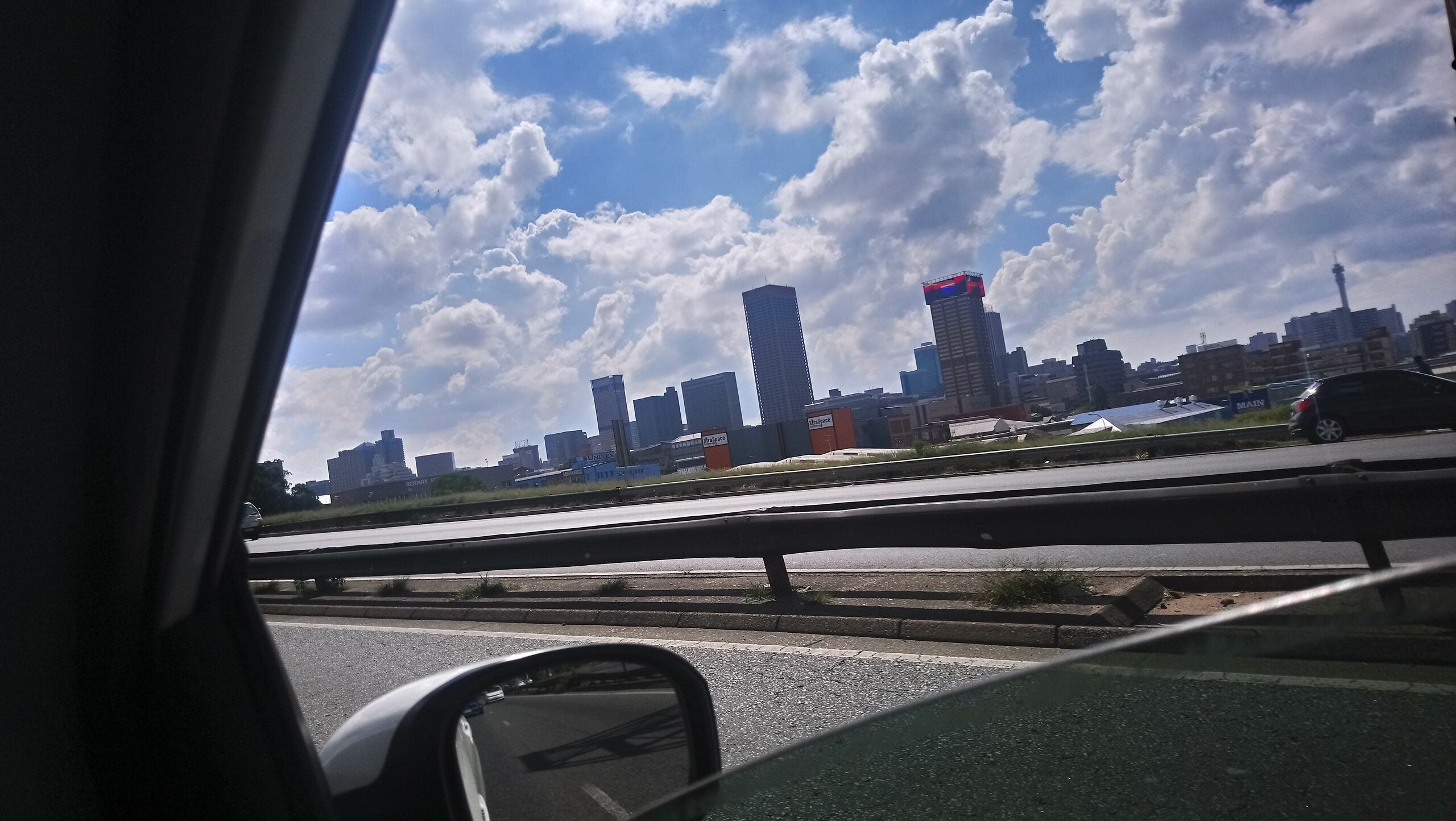
Inside South Africa’s anti-migrant unrest
South Africa is again gripped by anti-migrant unrest, with protests against illegal immigration turning tense in cities including Cape Town.
Many foreign nationals say they feel unsafe, and some have begun to leave.
Anti-immigration movements have gained a louder voice, blaming migrants for crime and joblessness.
The government has appealed for calm while insisting it will enforce immigration law.
For an outside reader, the picture is of a country wrestling, not for the first time, with who belongs.
The flashpoints have been poorer urban districts where locals and migrants compete for the same scarce work.
Community patrols and marches have demanded that undocumented foreigners be removed.
The row with Ghana
The unrest has spilled into diplomacy. Ghana says one of its citizens was killed during the protests and has demanded a full investigation.
South African police say they have no record of that specific death.
They add that they are instead investigating the separate fatal shooting of another Ghanaian.
The competing accounts have turned a local tragedy into a diplomatic dispute.
Accra has urged Pretoria to do more to protect foreign nationals on its soil.
Ghana is one of South Africa’s partners on the continent, which makes the friction especially awkward.
Its government has faced pressure at home to speak up for its diaspora.
Kenya moves to protect its own
Kenya has gone further, stepping in to help its citizens leave.
An estimated 27,000 Kenyans live in South Africa, and fear is rippling through that community.
The prospect of a neighbour organising an exit is a stark measure of the alarm.
It also puts quiet pressure on South Africa to restore a sense of safety.
Other governments across the continent are watching the situation closely.
Nairobi has advised its nationals to stay cautious and keep their documents in order.
Why tensions run high
The roots of the unrest are painfully familiar. South Africa carries high unemployment and strained public services.
In hard times, migrants become an easy target for anger over scarce jobs and housing.
Successive flare-ups have shown how quickly that resentment can turn violent.
Yet migrants are often filling roles and running businesses that locals do not.
The result is a cycle of blame that flares, fades and returns.
The economic cost
Beneath the politics lies a web of money that ties the region together.
Migrants fill labour gaps, run small shops and send remittances home to families across Africa.
When they flee, those livelihoods and the money that flows from them are disrupted.
Unrest also dents South Africa’s image with the investors it is courting.
A reputation for instability is costly for an economy trying to attract capital.
Cross-border trade and shared supply chains mean trouble in one economy is quickly felt in others.
A test for African unity
The crisis lands awkwardly for a continent that champions free movement on paper.
African leaders talk of open borders and a single market, yet xenophobia keeps resurfacing.
Unrest in the region’s biggest economy exposes the gap between ideal and reality.
It hands ammunition to sceptics who doubt the promise of closer integration.
How South Africa responds will shape whether that promise still feels credible.
The African Union has repeatedly condemned xenophobia, but enforcement is left largely to national governments.
What happens next
Governments are now in contact, trying to calm tempers and protect their nationals.
South Africa faces pressure to investigate the attacks and reassure foreign communities.
The deeper drivers, from unemployment to weak services, will not vanish quickly.
Without them, the risk is another flare-up further down the line.
For now, a story that began on South African streets has become a continental one.
Civil-society groups are calling for calm and for the protection of those most at risk.
The bigger lesson
The episode is a reminder that economic pain rarely stays contained within borders.
When a big economy stumbles, the shockwaves reach families across the region.
It also shows how fragile the idea of a united Africa can be in practice.
Politicians who scapegoat migrants may win short-term cheers.
But they risk lasting damage to their country’s standing and relationships.
The harder work is fixing the joblessness and strain that feed the anger.
Frequently asked questions
What is causing the unrest in South Africa?
High unemployment and strained public services have fuelled resentment of migrants, and protests against illegal immigration have turned violent.
Why are Ghana and Kenya involved?
Ghana says one of its citizens was killed and has demanded an investigation, while Kenya has begun helping an estimated 27,000 of its citizens in South Africa.
Is migration important to the region’s economy?
Yes; migrants fill labour gaps, run small businesses and send remittances home, tying South Africa’s economy to its neighbours.
What are the wider stakes?
The crisis strains South Africa’s ties across Africa and exposes the gap between the continent’s free-movement ideals and reality.
The Rio Times · Power Map
See who really holds power in Latin America
Click to open the Power Map →










 English (US) ·
  French (CA) ·
  French (FR) ·