

 2 months ago
64
2 months ago
64
PROTECT YOURSELF with Orgo-Life® QUANTUM TECHNOLOGY
Orgo-Life the new way to the future Advertising by AdpathwaySOUTH AFRICA · CULTURE
Key Facts
—The event: The Durban July, South Africa’s most famous horse race, runs for the 130th time on 4 July 2026.
—The place: It is held at Greyville Racecourse in Durban, on the Indian Ocean coast.
—The scale: It is as much a fashion and social spectacle as a sporting contest.
—The history: The race dates back more than 13 decades, to 1897.
—The draw: Celebrities, designers and racegoers turn it into a national occasion.
—The comparison: Think Royal Ascot or the Kentucky Derby, with a distinctly South African flavour.
For 130 years the Durban July has stopped South Africa in its tracks, a single afternoon where thoroughbred racing, daring fashion and national spectacle collide on the country’s warm east coast.
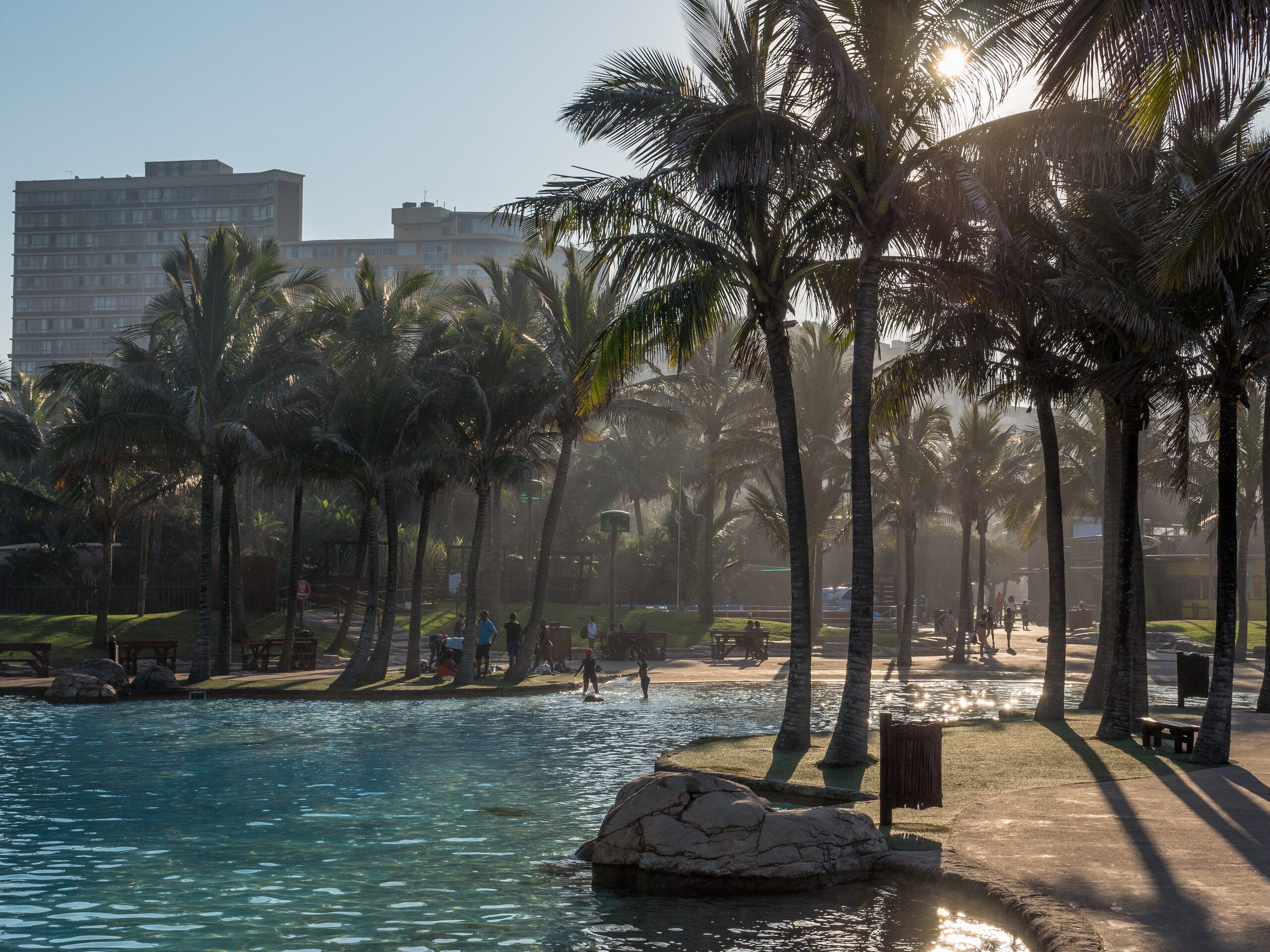
What the Durban July is
The Durban July is South Africa’s premier horse race, run each year at Greyville Racecourse in the coastal city of Durban.
Its 2026 edition, the 130th running, takes place on 4 July.
But calling it a horse race undersells it. For most South Africans it is the social event of the winter.
It is a day when the whole country seems to dress up and pay attention.
Held in the depths of the southern winter, it offers a splash of warmth and colour on the coast.
Locals plan outfits and parties around it weeks in advance.
A tradition 13 decades deep
The race first ran in 1897, making it one of the oldest sporting fixtures on the continent.
It has survived wars, the apartheid era and the birth of a democratic South Africa.
Through all of it, the first Saturday of July has kept its place on the calendar.
That longevity has turned the event into a piece of national heritage.
Generations of families have made attending the July a cherished ritual.
Its winners are remembered as part of the country’s sporting folklore.
Fashion as the real race
For many, the outfits matter as much as the horses.
Each year the event sets a fashion theme, and guests compete to interpret it most boldly.
Designers use the lawns as a runway, and the best-dressed win prizes and headlines.
The result is a swirl of colour that rivals anything on the track.
Milliners, tailors and stylists see a surge of business in the weeks before the race.
For emerging designers, a single standout look can launch a career.
The racing itself
Beneath the spectacle sits a serious sporting contest.
The feature race draws the country’s finest thoroughbreds and top jockeys.
Big prize money and prestige are on the line, and fortunes can turn in a couple of minutes.
For breeders and owners, winning the July is the ambition of a lifetime.
The handicap format is designed to keep the outcome open until the final stretch.
Punters pore over form guides, hoping to pick the winner from a crowded field.
Money and the city
The event is also a welcome boost for Durban.
Hotels fill, restaurants hum and betting turnover climbs into the hundreds of millions of rand.
For a city that leans on tourism, race week is a valuable fixture.
The July, in short, is as good for business as it is for spectacle.
Corporate marquees and hospitality packages sell out well ahead of the day.
The event ranks among the busiest on Durban’s tourism calendar.
Why outsiders should care
For an international audience, the Durban July is a window into South African life.
It sits in the same family as Royal Ascot or the Kentucky Derby, a race that is really a festival.
It offers a joyful counterpoint to the harder headlines the country often makes.
It is, at heart, a nation choosing to celebrate together.
Visitors often describe it as carnival and racecourse rolled into one.
It captures a side of South Africa that rarely makes the international news.
The day itself
On race day the crowds pour into Greyville from early morning.
The stands buzz, the fashion parades unfold and the tension builds toward the feature race.
For a few hours, work and worry are set aside.
Then the horses thunder down the straight, and a new name is added to 130 years of history.
Music, food stalls and fashion parades fill the hours between races.
By late afternoon the whole course is caught up in the drama of the main event.
A fixture that endures
Few sporting events anywhere blend competition and spectacle so completely.
That is why the July has outlasted so much change around it.
Each year it reinvents its fashions while keeping its old rituals intact.
For Durban, it remains a point of pride and a reliable draw.
For the country, it is a rare shared celebration in a demanding year.
Little wonder it is still going strong after 130 years.
Frequently asked questions
What is the Durban July?
It is South Africa’s most famous horse race and social event, held each year at Greyville Racecourse in Durban.
How old is the Durban July?
The 2026 edition is the 130th running; the race dates back to 1897.
Why is it famous beyond racing?
It is as much a fashion and celebrity spectacle as a sporting contest, drawing designers and stars each year.
How does it compare to other races?
It is often likened to Royal Ascot or the Kentucky Derby, with a distinctly South African character.
The Rio Times · Power Map
See who really holds power in Latin America
Click to open the Power Map →







 English (US) ·
  French (CA) ·
  French (FR) ·