

 2 months ago
66
2 months ago
66
PROTECT YOURSELF with Orgo-Life® QUANTUM TECHNOLOGY
Orgo-Life the new way to the future Advertising by AdpathwayMarkets
Key Facts
—The firm. Arcos Dorados is the world’s largest independent McDonald’s franchisee, listed in New York as ARCO and based in Montevideo.
—The reach. It runs more than twenty-five hundred restaurants across twenty-one countries and territories, with over one hundred thousand staff.
—The contract. A twenty-year master franchise deal signed for January 2025 carries a royalty rising from six percent of sales to six and a half.
—The warning. In February the company told the market that first-quarter sales growth would slow on macro pressure across the region.
—The renewal option. The deal can extend for a further twenty years from January 2045, at McDonald’s discretion.
—The read. For a foreign investor, the stock is a single, liquid proxy for Latin American consumer demand.
Arcos Dorados is the most important Latin American company most foreign investors have never heard of, because it owns the operating rights to a brand everyone already knows: McDonald’s.
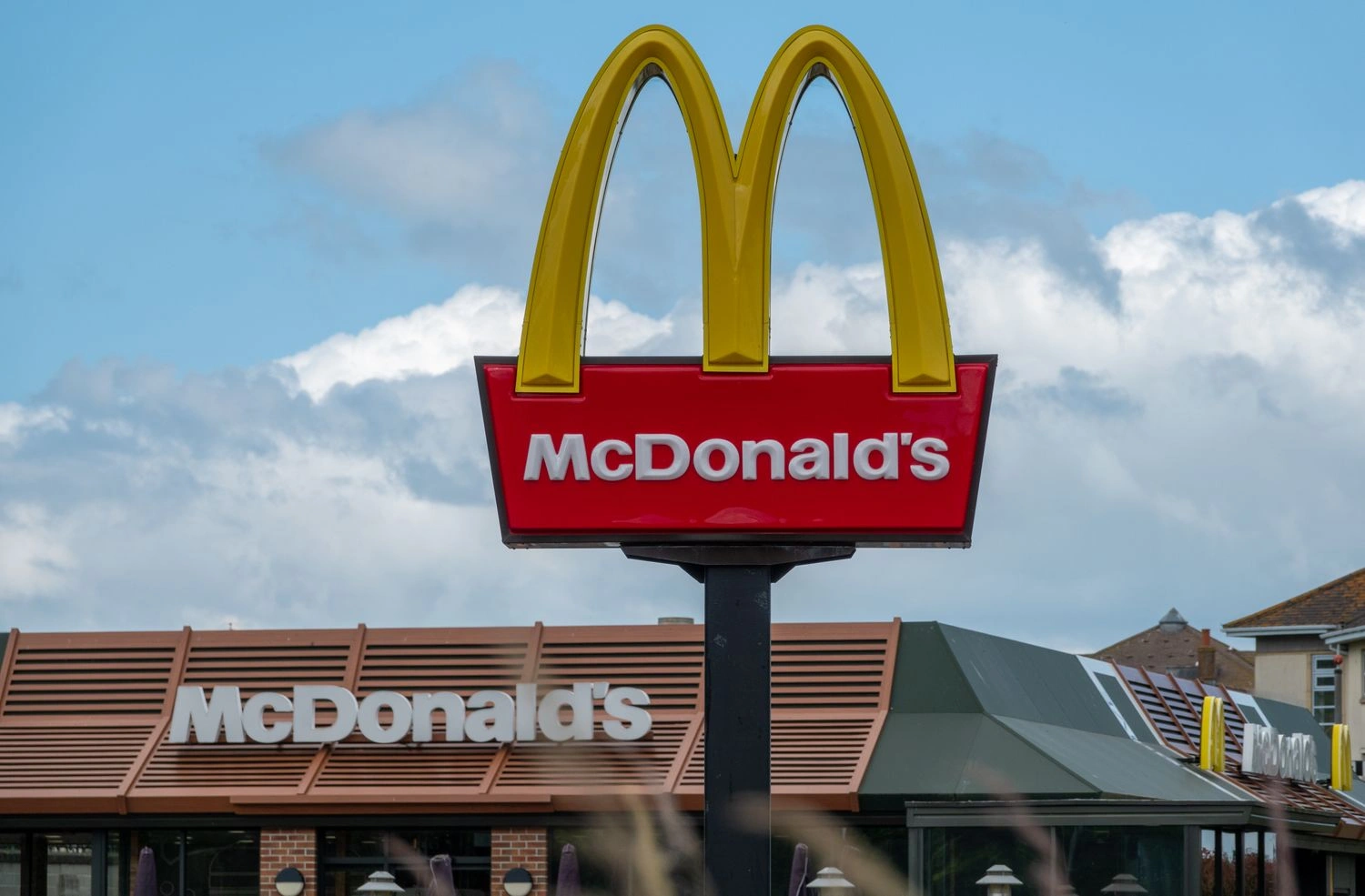
The Montevideo-based firm is not a licensee of a few restaurants. It holds the exclusive right to own, run and sub-franchise every McDonald’s across the region.
That makes a single New York-listed stock, trading under the ticker ARCO, one of the cleanest ways to bet on whether ordinary Latin Americans are spending or pulling back. When they buy a burger, this is the company that books the sale.
What Arcos Dorados actually owns
The scale is the story. The company and its sub-franchisees together run more than twenty-five hundred McDonald’s restaurants and employ over one hundred thousand people, according to its own filings at the end of last year.
Its territory spans twenty-one countries and territories, from Mexico and Brazil down through Argentina, Chile, Colombia and the Caribbean islands. In much of that map, it is the only McDonald’s operator there is.
The arrangement rests on a master franchise agreement with McDonald’s. The current version, running twenty years from the start of last year, sets a royalty that begins at six percent of gross sales and steps up to six and a half percent over its life.
There is also a built-in extension. The deal can be renewed for another twenty years from January of twenty forty-five, at McDonald‘s discretion, which locks the two sides together for a generation.
Why the model travels well
A franchisee of this size sits in an unusual spot. It carries the cost and risk of building and running the restaurants, while the brand, the menu and the marketing playbook come from the American parent.
That division of labour has let the company keep opening restaurants even through the region’s currency shocks and high interest rates. Fast food tends to hold up better than big-ticket spending when household budgets tighten.
The company has leaned hard into digital ordering, delivery and loyalty apps to squeeze more out of each outlet. Those channels smooth demand and give it data on what shoppers want, which a single-country operator would struggle to match.
Spreading across so many borders is also a hedge. When one currency slumps or one economy stalls, restaurants in a dozen other countries keep the tills ringing, softening the blow that would sink a purely national chain.
The trade-off is that the same spread ties the company’s fortunes to the region as a whole. It cannot escape a broad Latin American downturn by leaning on a single strong market, because it is exposed to almost all of them at once.
The Arcos Dorados warning worth watching
The company is not immune to the region it serves. In February it took the unusual step of issuing a public clarification, telling investors that comparable sales growth would slow in the first quarter against the end of last year.
It blamed continued macroeconomic pressure in parts of Latin America, a plain admission that thinner household budgets reach even the drive-through. For a foreign reader, that is the point of watching this stock.
Because its sales are spread across so many economies, a wobble here is a read on regional demand rather than a single market. When Arcos Dorados slows, it is worth asking which economies are dragging and why.
The forward signal is the group’s next quarterly figures, the clearest test of whether that February caution was a blip or the start of a leaner stretch for the Latin American consumer.
What is Arcos Dorados?
Arcos Dorados is the world’s largest independent McDonald’s franchisee, based in Montevideo, Uruguay, and listed in New York under the ticker ARCO. It holds the exclusive right to own, operate and sub-franchise McDonald’s restaurants across twenty-one Latin American and Caribbean countries and territories.
How big is Arcos Dorados?
The company and its sub-franchisees together run more than twenty-five hundred McDonald’s restaurants and employ over one hundred thousand people, according to its own filings at the end of last year. Its territory stretches from Mexico and Brazil to Argentina, Chile and the Caribbean.
Why does Arcos Dorados matter to investors?
Because its sales span so many economies, the New York-listed stock works as a single, liquid proxy for Latin American consumer demand. When the company warned in February that sales growth would slow, it was effectively flagging weaker household spending across the region.















 English (US) ·
  French (CA) ·
  French (FR) ·